Friday, July 24, 2015

Why Full Mouth Probing?

As our knowledge of dental diseases and their prevention becomes before complete, you might notice that we begin to do some things a little differently around the office. A good example of this is the periodontal probing (gum measuring) that most of our patients are having done now at their regular cleaning appointments.

Gum disease is the reason many of us know someone (most likely our parents) who lost some or all of their teeth to this disease. It used to be called Pyrrorhea. Today it is called Periodontal disease and even though there isn't a cure for it yet, now it is controllable. Many people in our practice who have their teeth today, would have had them extracted only 10 years ago. Ten years ago when you went to your physician, they didn't automatically test your cholesterol level to help prevent heart disease. 10 years ago physicians didn't know the connection between cholesterol and heart disease. These days everyone gets screened. At our office now everyone gets screened for periodontal disease, but instead of taking a blood sample we just use a tiny ruler and measure the gum pockets around your teeth.

We not only measure how deep the pocket is, but we also look for other signs that gum disease might be present, such as bleeding and or infection. The deeper the gum pocket, the more likely it is that someone has or might get periodontal disease, especially if spontaneous bleeding or infection is present. Gum disease is without a doubt the #1 reason why people over the age of 40 end up losing their teeth.

Unfortunately, gum disease is a completely painless disease, and thus gives you no warning that you have the disease. However there are some warning signs to look for that are attached to this sheet. Gum disease usually strikes at the age of 35-40, but if caught and treated early enough, teeth can still be saved for a lifetime.

REMEMBER:  Healthy gums should not bleed when you brush, floss, or we measure pockets. So when we ask you to watch us measure your gum pockets it's not to gross you out, it's so you can see where the problems are and work on those areas at home.

If you have any questions about mouth probing or Periodontal disease, please call Omni Dental Group at (512) 250-5012

Friday, June 12, 2015

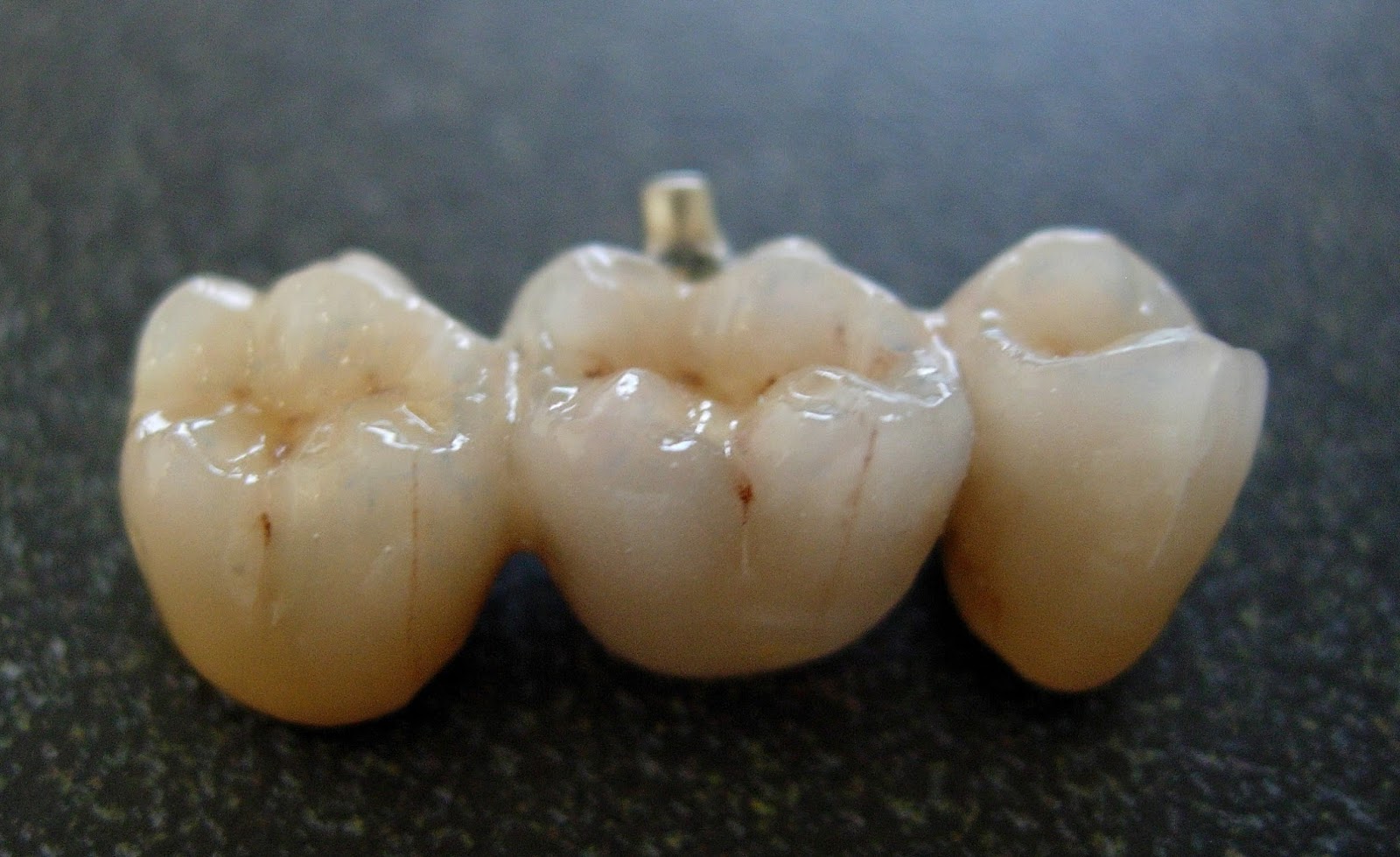
Bridges: An Overview

Replacing missing front teeth can obviously improve the appearance of your smile.  What most people don't think about is what happens when a missing back tooth is not replaced.  Replacing a back tooth will help you regain your normal ability to chew food and digest it properly.  Each time you lose a tooth, you lose about 10% of your ability to chew.  When a tooth is lost, the other teeth surrounding the space tend to move into the empty space.  This contributes to an increased opportunity for decay and gum disease to begin, along with bite problems and a potential for other dental problems.  Missing teeth should always be replaced - the sooner, the better.

Fixed bridges are one of the possibilities that exist for the replacement of one or more missing teeth.  Other alternatives are dental implants, Maryland (bonded) bridges, partial coverage bridges, and removable partial prosthodontics.  

Advantages of the fixed bridge include proven reliability and longevity.  Disadvantages include cost, increased difficulty in proper cleaning by the patient, and occasionally, the necessity of preparing a tooth for an abutment (bridge support), which might not have been previously filled or even damaged.

One or more teeth can be replaced by a fixed bridge.  The design of the bridge is affected by, among other factors, the number, strength, and position of the remaining teeth and the patient's ability to properly clean the completed bridge.  Generally speaking, the support for the bridge should be equal to or better than the root support of what the missing teeth had.

The teeth that are to be the supports for the bridge are prepared similar to the preparation of a single crown.  The tooth is made smaller by about 1 to 2 millimeters, depending on the part of the tooth being drilled.  An impression is made of the prepared teeth and sent to a lab.  While the bridge is being made, the prepared teeth are protected by a well-designed temporary bridge.  Once the final bridge has been put in with final cement, it is not easy to get it off again without permanently damaging the porcelain and metal.

Your oral self-care must include thorough plaque removal, especially around the bridge.  You doctor will show you how to properly clean it.  It is important that you follow their recommended dental hygiene recare schedule.  Frequent examinations are one way to protect your investment and to maintain optimal oral health.

If you  have any questions about bridges, please call Omni Dental Group! (512) 250-5012

Friday, June 5, 2015

Questions About Going to the Dentist

The American Dental Association

Whether you are 80 or 8, your oral health is important. Did you know that 100 million Americans fail to see a dentist each year, even though regular dental examinations and good oral hygiene can prevent most dental disease? Here are some frequently asked questions about going to the dentist. 

Question: Why do regular dental visits matter?

Answer: Regular dental visits are important because they can help spot oral health problems early on when treatment is likely to be simpler and more affordable. They also help prevent many oral problems from developing in the first place. Visiting your dentist regularly is also important because some diseases or medical conditions have symptoms that can appear in the mouth.

Here are 15 signs you should see a dentist:

  • Your teeth are sensitive to hot or cold
  • Your gums are puffy and/or they bleed when you brush or floss
  • You have fillings, crowns, dental implants, dentures, etc.
  • You don’t like the way your smile or teeth look
  • You have persistent bad breath or bad taste in your mouth
  • You are pregnant
  • You have pain or swelling in your mouth, face or neck
  • You have difficulty chewing or swallowing
  • You have a family history of gum disease or tooth decay
  • You have a medical condition such as diabetes, cardiovascular disease,eating disorders, or are HIV positive
  • Your mouth is often dry
  • You smoke or use other tobacco products
  • You are undergoing medical treatment such as radiation, chemotherapy or hormone replacement therapy
  • Your jaw sometimes pops or is painful when opening and closing, chewing or when you first wake up; you have an uneven bite
  • You have a spot or sore that doesn’t look or feel right in your mouth and it isn’t going away.
Q: What if I don’t have any of these symptoms—do I still need to go to the dentist?A: Yes. Even if you don’t have any symptoms, you can still have oral health problems that only a dentist can diagnose. Regular dental visits will also help prevent problems from developing. Continuity of care is an important part of any health plan and dental health is no exception. Keeping your mouth healthy is an essential piece of your overall health. It’s also important to keep your dentist informed of any changes in your overall health since many medical conditions can affect your oral health too.

Q: What can I expect during a dental checkup?
A: The dentist or hygienist will ask about your recent medical history, examine your mouth and decide whether or not you need x-rays. Depending on your treatment plan, the hygienist may use a special dental instruments to check your gums for gum disease. Your dentist will evaluate your overall dental health and conduct an oral cancer screening by holding your tongue with gauze, checking it and your whole mouth, then feeling your jaw and neck. 


Q: How often do I have to go to the dentist? 
A:
 There is no one-size-fits-all dental treatment. Some people need to visit the dentist once or twice a year; others may need more visits. You are a unique individual, with a unique smile and unique needs when it comes to keeping your smile healthy.  

Q: How do I find a dentist? 
A: The American Dental Association offers these suggestions in finding a dentist:
  • Visit ADA Find-a-Dentist to search dentists in your area. 
  • Ask family, friends, neighbors or co-workers for recommendations. 
  • Ask your family physician or local pharmacist.
  • If you're moving, your current dentist may be able to make a recommendation.
  • Call or write your state dental society.
Q: What should I look for when choosing a dentist? 
A:
 You may want to call or visit more than one dentist before making your decision. Dental care is a very personalized service that requires a good relationship between the dentist and the patient. During your first visit, you should be able to determine if this is the right dentist for you. 

Consider the following: 
  • Is the appointment schedule convenient for you? 
  • Is the office easy to get to from your home or job? 
  • Does the office appear to be clean, neat and orderly?
  • Was your medical and dental history recorded and placed in a permanent file?
  • Does the dentist explain techniques that will help you prevent dental health problems? Is dental health instruction provided?
  • Are special arrangements made for handling emergencies outside of office hours? (Most dentists make arrangements with a colleague or emergency referral service if they are unable to tend to emergencies.) 
  • Is information provided about fees and payment plans before treatment is scheduled? 
  • Is your dentist a member of the ADA? All ADA member dentists voluntarily agree to abide by the high ethical standards reflected in themember code of conduct. You and your dentist are partners in maintaining your oral health. Take time to ask questions and take notes if that will help you remember your dentist's advice.
Here are some tips to help you take care of your smile:
  • Healthy habits. Brushing twice a day for two minutes and flossing daily are essential for everyone, no matter how unique your mouth is. It’s the best way to fight tooth decay and gum disease.
  • Build a relationship. Continuity of care is an important part of any health plan and dental health is no exception. When your dentist sees you regularly, he or she is in a good position to catch oral problems early. For instance, catching gum disease when it’s still reversible, or cavities when they are small and are more easily treated.
  • Maintain. Keeping your mouth healthy is an essential piece of your overall health. It’s important to keep your dentist informed of any changes in your overall health as well.
  • Talk about it! Only your dentist can determine what the best treatment plan is for you. Have questions about your oral health or certain dental procedures? Start a conversation. Ask your dentist to explain step-by-step. Dentists love having satisfied, healthy patients.
Q: What is the difference between a DDS and a DMD? 
A:
 If you’re looking to find a dentist you may notice that while most are listed with a “DDS”, some may be listed as “DMD”. They both mean the same thing—your dentist graduated from an accredited dental school. The DDS (Doctor of Dental Surgery) and DMD (Doctor of Dental Medicine) are the same degrees. Dentists who have a DMD or DDS have the same education. The level of education and clinical training required to earn a dental degree, and the high academic standards of dental schools are on par with those of medical schools. Upon completion of their training, dentists must pass both a rigorous national written exam and a state or regional clinical licensing exam in order to practice. In order to keep their licenses, they must meet continuing education requirements for the remainder of their careers so that they may stay up to date on the latest scientific and clinical developments.

From ADA American Dental Association
http://www.mouthhealthy.org/en/dental-care-concerns/questions-about-going-to-the-dentist/?source=twitter&content=top_15_signs


Omni Dental Group is now accepting new patients at our 3 convenient locations in Northwest, Central and South Austin.  Call us today to schedule your first appointment of if you have any questions regarding our practice (512) 250-5012.


Monday, June 1, 2015

No More Excuses! Make Flossing a Part of Your Daily Routine

Flossing is one of the most important steps when it comes to your oral health.

 So, why do so many people exclude it from their daily routine?  Here’s a list of top excuses for avoiding the floss and your dentist’s responses.

Excuse #1:  Food doesn’t get stuck in my teeth
While flossing does help to remove food that gets wedged between your teeth, it is not the primary reason you should be making it a part of your daily routine.  Flossing helps get rid of plaque, the sticky bacterial film that forms along your gum line and between your teeth.  Everyone gets plaque and it can only be removed by flossing or a cleaning from your dentist so it’s important to make it a part of your at-home routine. Flossing daily also helps to prevent gum disease and tooth loss.

Excuse #2:  I don’t know how to floss
Flossing correctly can be a difficult task.  That doesn’t mean you should avoid it.

The American Dental Association gives these tips for flossing correctly:
  • Use 18 inches of floss. Wrap most of it around the middle finger of one hand, the rest around your other middle finger.
  • Grasp the string tightly between your thumb and forefinger, and use a rubbing motion to guide it between teeth.
  • When the floss reaches the gum line, form a C to follow the shape of the tooth.
  • Hold the strand firmly against the tooth, and move it gently up and down.
  • Repeat with the other tooth, and then repeat the entire process with the rest of your teeth.
  • Use fresh sections of floss as you go.
  • Remember to floss between all of your teeth, including the back of your last molars to prevent gum disease and decay.
Excuse #3:  Flossing is too hard for me
There are other tools that can be substituted for regular floss if you have trouble reaching the back of your mouth.  Ask your dentist about using one of the following:
  • plastic, disposable, Y-shaped flossers that allow for extra reach
  • small, round brushes
  • pointed, rubber tips
  • wooden or plastic pics (called interdental cleaners)
Excuse #4:  I don’t have time to floss
Everyone should floss at least once per day, however, it is recommended that you floss twice per day.

Make it a part of your morning and night routine.  Store your floss next to your toothbrush and toothpaste as a reminder so you don’t forget.

Flossing can be done on the go as well.  Keep some floss in your car to use while your stuck in traffic or keep some in your desk at work to use after lunch.  The most important thing is to find a time for flossing in your daily routine that works best for you!

Excuse #5:  Flossing hurts
Flossing shouldn’t be a painful experience.  If your gums bleed or hurt while you are flossing, it could be a sign of a bigger problem such as gingivitis or gum disease.  Even if this occurs you shouldn’t stop flossing all together.

If you brush and floss daily, the bleeding and pain should go away in less than 2 weeks. If it doesn’t, it is time to see your dentist.

Excuse #6:  My teeth are too close together
Waxed or glide floss is a good alternative if your teeth are close together.  A threader or loop could work for you if you have recessed gums, gaps between your teeth, or braces.  If your floss shreds, this could be a sign of a cavity or another problem with your dental work.  Tell your dentist if this issue is happening to you.


From WebMD

Wednesday, May 27, 2015

Keep a Healthy and Happy Mouth this Summer

Tips to Keep a Healthy Mouth this Summer


Summer is officially here! Don’t take a vacation from your oral health. In addition to brushing and flossing, try these helpful tips on maintaining a healthy mouth during the hot summer months.


Drink Plenty of Water

Along with summer come the temptations to sip on ice-cold lemonade, seasonal cocktails or refreshing beer, but it's important to remember to drink plenty of water. Not only will water keep you hydrated, but it also helps to diminish bad breath and tooth decay. Dry mouth from lack of water leads to a buildup of bacteria in your mouth. These bacteria convert sugars and carbohydrates from the foods and drinks you consume to acids. The acids begin to attack the enamel on your teeth, which leads to tooth decay. Remembering to drink water throughout the summer days will wash away bacteria and keep your teeth and gums healthy. 

Smart Snacking

Fresh fruits are your best choice when it comes to the perfect summer snack. It's important to choose the right ones for the best oral health. Firm or crunchy fruits, such as apples and pears, have a high water content which weakens the effects of the sugars they contain. They also promote the flow of saliva, which washes away food particles and helps protect against tooth decay. Watermelon is another good choice due to its high water content. It is best to avoid citrus fruits that contain a lot of acid because this can lead to erosion of the tooth enamel. Eating citrus fruits as part of a larger meal can reduce the acid from them.

Swim Smart

The high chlorine content in many swimming pools can lead to erosion and weakening of the teeth. Too much exposure can also lead to “swimmer’s calculus”. This occurs when yellowish-brown or dark brown stains appear on the teeth from the added chemicals in the water. The added chemicals give the water a higher pH than your saliva which breaks down the salivary proteins and forms organic deposits on the teeth. This can typically be removed by visiting your dentist. To avoid the harmful effects of spending too much time in the pool, remember to brush your teeth following the activity to reduce the damage.

Playing Outdoors

Summertime means that a lot of your time will be spent outdoors. Whether you are out on the boat, hiking or spending your day at the beach it’s important to remember your oral health. Sugar-free gum is a good solution to avoid bad breath when you aren’t near your toothbrush. Gum prevents the mouth from becoming dry and helps increase saliva flow that rinses away bacteria. Sugarless gum also helps to remove food that becomes stuck to your teeth.

Omni Dental Group wishes everyone an enjoyable and safe summer and we hope you keep these tips in mind to maintain a healthy and happy mouth!

Feel free to give us a call for any of your summer mouth questions or needs!

Wednesday, May 13, 2015

NBA Play-Off Mouth Guards a Reminder to All Athletes


Mouth Guards

Mouth guards are an essential piece of equipment in contact sports.  They should be worn by athletes of all ages who participate in sports such as:
  • Football
  • Hockey
  • Lacrosse
  • Wrestling
  • Basketball
  • Baseball/Softball
  • Soccer
  • …any sport where contact is a possibility.

Wearing a mouth guard helps prevent against structural damage to your teeth and jaw and also helps prevent injuries such as lacerations to your cheeks, tongue, and lips.  Mouth guards have also been shown to help decrease the risk of concussions.

Mouth guards are available in mostly any sporting goods store, but you should be careful when purchasing a mouth guard.  Mouth guards like this do not offer the best level of protection.  They are also usually ill-fitting and uncomfortable.

For the highest level of comfort and protection, you should visit your dentist for a custom mouth guard fitting.  A custom mouth guard is created specifically for the optimal protection of YOUR mouth.  It is created with thin plastic that is hardened to protect your teeth.  The thinness of the custom mouth guard allows for easy breathing and also allows for easy communication (especially important for you star quarterbacks calling out the signals).

See your dentist today for a custom mouth guard to protect your teeth and ensure that you maintain the highest level of performance on the field, court, or rink.

Friday, May 8, 2015

Temporamandibular Disorder


TMD


TMJ is the acronym for temporomandibular joint, which connects your lower jaw (the mandible) to your skull at the temporal bone. This joint controls many jaw functions, like chewing. If the chewing muscles or the joint itself are causing you pain you may have temporamandibular disorder, or TMD. TMD can be caused by stress, continual clenching of the jaw muscles, or teeth grinding.
Some of the symptoms of TMD are:

·         Pain when opening or closing mouth
·         Trouble chewing
·         Jaw becoming stuck open or shut
·         Headaches or ear pain
·         Clicking or popping sounds when opening your mouth
·         Teeth Grinding


Many of these symptoms can often be associated with other health problems, so only a medical professional can tell you if it is due to TMD. Teeth grinding is an especially problematic symptom because it can lead to further problems. Prolonged teeth grinding, or bruxism, can cause enamel to wear off teeth and expose dentin. This material is softer than enamel and more susceptible to decay. Sensitivity to hot and cold food or drink may also develop from excessive teeth grinding.

If you suspect you may have TMD come in for a consultation. We can help diagnose you and provide relief for your symptoms. Pain relievers and hot/cold compresses are short term methods to provide relief for pain symptoms. A night guard can be used to help prevent or lessen the effects of teeth grinding at night. This can lead to a more permanent solution. In very severe cases of TMD surgery may be required, but behavioral treatments to change the way you use your jaw muscles are usually enough to provide relief.