Monday, July 15, 2013

Are Teeth Whitening Toothpastes Effective?

For many of us, whiter teeth are a sign of youth, beauty, and vitality. If your teeth look dull and lifeless, you may lose some self confidence causing you to miss out on precious moments in life. As we age, our teeth will lose some of their natural whiteness, changing instead to a yellowish, even brownish/gray tinge. This occurs from our daily habits like drinking coffee, possibly smoking, or drinking red wine.
We are bombarded by magazine and television ads displaying models with perfectly white teeth. After awhile, you begin to wonder whether you can have whiter, brighter teeth too? Luckily, there are many options out there to do just that. The traditional way has been to go to the dentist and have them professionally whitened under controlled conditions. Today, we have other options like teeth whitening toothpastes. Are these toothpastes effective at whitening our teeth?

What Is Special About Teeth Whitening Toothpastes?

Most of us use toothpaste every day just to maintain our dental hygiene. It is a product we are all very familiar with. Manufactures have now found a way to add an extra element to your favorite toothpastes allowing the addition of teeth whitening materials into the mix to give you an added benefit.  Some are more abrasive to help remove surface stains, some have peroxide and other additive ingredients to actually allow for some deeper whitening to occur. It should be noted that teeth whitening toothpastes do work, but they will NOT whiten your teeth as effectively as your dentist can. Also, each individual’s results will vary.
Teeth whitening toothpastes commonly contain the following ingredients:
-Hydrogen peroxide. The same teeth whitening ingredient used in most teeth whitening strips. This is found in the new Colgate Optic White toothpaste.
-Sodium Hydroxide. This is another ingredient used to whiten teeth. Crest 3D white toothpaste utilizes this as it’s main teeth whitening agent.
-Sodium Tripolyphosphate. Do not be scared off by the long name. This chemical is effective in removing stains from the enamel on your teeth.
-Blue Covarine. This chemical is present in some teeth whitening toothpaste. Blue covarine has the ability to adhere to the surface of teeth creating an optical illusion that can make our teeth appear less yellow.
-Abrasives. These abrasives, such as baking soda, will provide a perfect cleansing and polishing on the teeth surface and over time will remove light stains that make our teeth appear yellowish or brown.
When used twice a day, teeth whitening toothpaste generally takes from two to six weeks to make teeth appear whiter and brighter. Teeth whitening toothpastes that contain blue covarine can have an almost immediate effect on your smile.

Teeth Whitening Toothpaste Conclusion

Americans spend over $1.5 billion on toothpaste per year and it is a rapidly growing market. Many of the toothpastes have become quite specialized, especially those geared towards teeth whitening. But do teeth whitening toothpastes really work? The simple answer is yes, but to what degree?. If your teeth are brown and discolored, it will not work as effectively as a professional teeth whitening. The difference being, that the dentist uses chemicals specifically designed to whiten teeth (and applied under very controlled conditions) whereas many of the teeth whitening toothpastes on the market use much lower concentrations of these whitening agents, or none at all. Don’t get overly frustrated if using teeth whitening toothpastes don’t do much for you. They are helpful in some mild degree of whitening, but will not give you the super white smile that actual professional whitening will. They are best used as an adjunct to a professional whitening, to help keep your teeth whiter and brighter longer, or for younger people to brighten up an already nice smile. Teeth whitening toothpastes are a cost effective way to brighten your smile, discontinue use if they begin to cause sensitivity.
It is always recommended you see your dentist for professional cleanings and dental examinations. This is a perfect time to discuss teeth whitening options and what method would work best for you. Teeth whitening can be a very personalized choice and each program can be tailored to each patient’s needs and expectations. Find out today how to get your teeth whiter and brighter.
© 2013, Marielaina Perrone DDS. All rights reserved. Henderson Cosmetic Dentist

Thursday, July 11, 2013

Common Flossing Mistakes

1. Skipping The Back Teeth – When we floss it is essential to not only concentrate on the front teeth. It is equally important to get in the back of the mouth, between and around molars, and keep those areas clean. This removes food and plaque bacteria in areas from which a toothbrush can not reach. You need to keep your teeth as clean as possible to avoid the onset of periodontal disease and tooth decay.

2. Not Rotating The Floss At Each Area – The purpose of flossing is to remove bacteria, food debris, and bacteria from between the teeth. If you do not rotate the floss at each tooth you are just replacing the removed bacteria and debris back into the mouth.
3. Flossing Too Aggressively – Some of our teeth have tighter spaces than others and this could cause a more aggressive approach to flossing. It is better to gently work the floss up and down between your teeth, following the natural curve of the tooth, so as not to snap the floss down and cut your gums. You should floss using a mirror to watch what you are doing, it is easier to see if you are missing anything. You should NEVER , “shoeshine” your teeth. Side to side aggressive motion, over time, causes notches into the roots of the teeth.
4. Not Flossing Because Your Gums Bleed – At times our gums can bleed if we are not maintaining proper oral hygiene. This is the earliest sign of periodontal disease, called “Gingivitis”. This stage of periodontal disease can be reversed. If you see some blood, continue gentle flossing, and rinsing with warm salt water. As the bacteria and irritants are removed the inflammation will subside and so will the bleeding. It might take 1-2 weeks for that to happen.
5. Keep Track Of Where You Are Flossing – It can be very easy to miss a tooth or two while flossing. Create a good routine to keep on track and not get distracted.
6. Not Flossing At All! – This is the biggest mistake! Many have been lucky enough not to have decay or serious problems, and have never flossed. This may have “worked” for you in your youth, but it will put you at risk for periodontal disease as you get older. People who have never had a cavity, and do not have good oral hygiene habits are at much higher risk for gum disease. Those pearly whites may stay beautiful until they day they all start to fall out!

Conclusion

Don’t wait for problems to begin. Floss regularly and correctly, and you are setting yourself up for good success in maintaining your oral health. Remember, to floss gently, properly, and often. As many dentists say,” You don’t have to floss all of your teeth, just the ones you want to keep!”.

© 2013, Marielaina Perrone DDS. All rights reserved. Henderson Cosmetic Dentist

Wednesday, July 10, 2013

TMJ Disorder Explained:

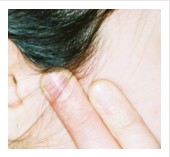
TMJ Surgery, jaw joint surgery, TMD, TMJ problemsTMJ (temporomandibular joint) disorders develop as a result of the jaw joints and the chewing muscles are out of joint. Injuries to the jaw as well as arthritis can cause damage to these joints, preventing them from working correctly. Symptoms include:

  • Pain or a clicking sound
  • Frequent headaches/neck aches
  • A popping, or locking of the jaw when you open your mouth
  • A stiffness or soreness around the jaw
After an initial consultation, if our surgeons determine you suffer from TMJ, initial treatment will involve immediate muscle relief with the use of a pain reliever or anti-inflammatory. Other forms of stress management involve physical therapy or the use of a temporary plastic appliance known as a splint that moves your jaw forward relieving pressure from your jaw.
In some cases surgery, such as arthoscopy and open joint repair, are required to produce optimal results. The main goal at our office is to assess your pain and provide you with treatment that will enable you to have a healthier, pain-free jaw.
If you live in or around Austin and you think you may suffer from TMJ, call our offices or fill out an appointment request form to schedule a consultation today. Our dental surgeons will gladly answer any questions that you may have.

Monday, July 8, 2013

Billions of people across the globe are suffering from major untreated dental problems, according to a new report led by Professor Wagner Marcenes of Queen Mary, University of London, published in the Journal of Dental Research.

Professor Marcenes of the Institute of Dentistry at Queen Mary led an international research team investigating oral health as part of the Global Burden of Disease (GBD) 2010 study.
The report shows that oral conditions affect as many as 3.9bn people worldwide – over half the total population. Untreated tooth decay or cavities in permanent teeth - also known as dental caries - was the most common of all 291 major diseases and injuries assessed by the GBD 2010 study, affecting 35 per cent of the world population. 

"There are close to 4bn people in the world who suffer from untreated oral health conditions that cause toothache and prevent them from eating and possibly sleeping properly, which is a disability," comments Professor Marcenes. "This total does not even include small cavities or mild gum diseases, so we are facing serious problems in the population's oral health."
The GBD 2010 estimated that the disability associated with severe tooth loss was between those reported for moderate heart failure and moderate consequences of stroke.
Oral conditions accounted for an average health loss of 224 years per 100,000 people (years lived with disability or YLDs) – more than 25 out of 28 categories of cancer assessed in the GBD 2010 study.

The study found that the global burden of oral conditions is shifting from severe tooth loss towards severe periodontitis and untreated caries. It found that the global burden of oral diseases increased 20 per cent between 1990 and 2010, while a reduction of 0.5 per cent was observed for all conditions together. This increase was mainly due to population growth and ageing.

Professor Marcenes interprets this observed shift: "Tooth loss is often the final result when preventive or conservative treatments for tooth decay or gum disease fail or are unavailable. It is likely that current dental services are coping better to prevent tooth loss than in the past but major efforts are needed to prevent the occurrence and development of gum diseases and tooth decay. Ironically the longer a person keeps their teeth the greater the pressure on services to treat them."

The largest increases in the burden of oral conditions were in Eastern (52 per cent), Central (51 per cent) and Sub-Saharan Africa, and Oceania (48 per cent). 

The Global Burden of Diseases, Injuries, and Risk Factors Study commenced in the spring of 2007 and was a major effort involving nearly 500 scientists carrying out a complete systematic assessment of global data on all diseases and injuries.

Professor Marcenes comments: "Our findings are set to shake up the setting of health priorities around the world, providing an unparalleled amount of up-to-date, comparable data on the diseases, risk factors, disabilities, and injuries facing populations.

"The findings of the GBD 2010 study highlighted that an urgent organized social response to oral health problems is needed. This must deal with a wide array of health care and public health priorities for action."


The new report Global Burden of Oral Conditions 1990-2010: A Systematic Analysis was led by Professor Marcenes, with colleagues at the University of Washington, Seattle, and the University of Queensland, Australia.

Friday, July 5, 2013

Cheese May Prevent Cavities

Consuming dairy products is vital to maintaining good overall health, and it's especially important to bone health. But there has been little research about how dairy products affect oral health in particular. However, according to a new study published in the May/June 2013 issue of General Dentistry, the peer-reviewed clinical journal of the Academy of General Dentistry (AGD), consuming cheese and other dairy products may help protect teeth against cavities.

The study sampled 68 subjects ranging in age from 12 to 15, and the authors looked at the dental plaque pH in the subjects' mouths before and after they consumed cheese, milk, or sugar-free yogurt. A pH level lower than 5.5 puts a person at risk for tooth erosion, which is a process that wears away the enamel (or protective outside layer) of teeth. "The higher the pH level is above 5.5, the lower the chance of developing cavities," explains Vipul Yadav, MDS, lead author of the study.

The subjects were assigned into groups randomly. Researchers instructed the first group to eat cheddar cheese, the second group to drink milk, and the third group to eat sugar-free yogurt. Each group consumed their product for three minutes and then swished with water. Researchers measured the pH level of each subject's mouth at 10, 20, and 30 minutes after consumption.
The groups who consumed milk and sugar-free yogurt experienced no changes in the pH levels in their mouths. Subjects who ate cheese, however, showed a rapid increase in pH levels at each time interval, suggesting that cheese has anti-cavity properties.

The study indicated that the rising pH levels from eating cheese may have occurred due to increased saliva production (the mouth's natural way to maintain a baseline acidity level), which could be caused by the action of chewing. Additionally, various compounds found in cheese may adhere to tooth enamel and help further protect teeth from acid.

"It looks like dairy does the mouth good," says AGD spokesperson Seung-Hee Rhee, DDS, FAGD. "Not only are dairy products a healthy alternative to carb- or sugar-filled snacks, they also may be considered as a preventive measure against cavities."

article via http://www.sciencedaily.com/releases/2013/06/130605130118.htm?utm_source=feedburner&utm_medium=feed&utm_campaign=Feed%3A+sciencedaily%2Fhealth_medicine%2Fdentistry+%28ScienceDaily%3A+Health+%26+Medicine+News+--+Dentistry%29

Wednesday, July 3, 2013

What is an Apicoectomy?

The above diagram illustrates this simple procedure.the gum tissue to expose the bone and surrounding inflamed tissue. 
The damaged tissue is removed along with the end of the root tip. A root-end filling is placed to prevent re-infection of the root and the gum is sutured. The bone naturally heals around the root over a period of months restoring full function. (Occasionally, it is necessary to use bone grafting material or guided tissue regeneration material to promote proper healing and active bone growth.)
An incision is made in
Following the procedure, there may be some discomfort or swelling while the incision heals. This is normal for any surgical procedure. To alleviate any discomfort, an appropriate pain medication will be recommended. If you have pain that does not respond to medication, please call our office 512-944-8421.

Tuesday, July 2, 2013

Top Tooth Brush Mistakes


Tooth brushing has been a part of our lives since we can remember. It has become an activity that, for most, seems to be second nature. Brushing your teeth, as with any habit, can become tedious. You may forget the proper way and get sloppy, or may never have learned proper tooth brushing techniques to begin with. Improper tooth brushing technique can lead to many problems, including root and enamel wear, gum recession, cavities, and gum disease .

Tooth Brushing Mistake #1

-Choosing the wrong tooth brush. Not all toothbrushes are the same. Things to consider when choosing the right type of toothbrush include size of head, size of handle, and type of bristles. The head of the toothbrush should be the right size to enable you to reach all tooth surfaces. If you are straining to open wide enough to get the brush into your mouth, having a hard time cleaning around back molars, or banging into other teeth, then the brush is probably too large for you. The handle needs to be comfortable for you to use and fit your hand properly. The bristles should be soft to extra soft. If it the bristles are any harder, you increase surface abrasion.  Abrasion slowly causes wear and damage to your teeth and gums while brushing. As for manual tooth brush vs electric tooth brush, most research shows that electric toothbrushes get the teeth far cleaner than a manual brush, and if used properly, cause less abrasion.

Tooth Brushing Mistake #2

-Not brushing enough. This includes both, time of actual tooth brushing and the times per day you brush. It is recommended that you brush a minimum of twice per day for at least two minutes each time. Many of us do not brush for the recommended amount of time,instead brushing for only 15-30 s, this can definitely lead to insufficient removal of food and plaque bacteria. Brushing after each meal is ideal, removing food particles before they begin to cause problems. Timers can help you spend the correct amount of time, or humming a tune, many electric toothbrushes have an advantage in that many have a built in timer to monitor the time you are tooth brushing. Carrying a spare toothbrush or having one in your desk at work, may help you to brush more frequently.

Tooth Brushing Mistake #3

-Brushing too aggressively. Tooth brushing too vigorously can erode tooth enamel, expose the roots of the teeth, and wear away gum tissue. Erosion causes increased sensitivity to hot, cold, and sweets. Develop the proper tooth brushing technique utilizing the right amount of force to keep your teeth clean. An aggressive tooth brushing technique is difficult to change, especially if you have been doing it this way for a long time. Electric toothbrushes are ideal for changing technique, as you hold them over each tooth, letting the brush do the work, and do not “brush” with them.

Tooth Brushing Mistake #4

-Using improper tooth brushing technique. The tooth brush should be angled at a 45 degree angle and use short strokes when brushing. This will allow you to brush safely but also give yo the ability to remove the plaque at the gum line. The strokes should be soft, going up and down, and circular or vertical. Be sure to brush the outer AND inner surfaces of your teeth along with the chewing surfaces and finally your tongue.

Tooth Brushing Mistake #5

-Not Rinsing? Cleaning your brush. Bacteria will grow on an un-rinsed, wet toothbrush. If you do not rinse, and clean your toothbrush, you will be putting plaque bacteria back in your mouth each time you brush. Rinse and dry your tooth brush after you brush to help remove any leftover toothpaste, and rid of the moist environment that bacteria love. There are many techniques to clean your brush, including UV sanitizers, soap and water, and anti bacterial rinses. Keep your mouth cleaner with a clean, dry toothbrush.

Tooth Brushing Mistake #6

-Not changing your toothbrush regularly. The recommendation from the American Dental Association is to change to a new brush every 3-4 months or sooner if the bristles appear worn.  Research shows us that, as toothbrush bristles splay, their ability to remove plaque decreases significantly. You know how often and how hard you use your brush, which will help you evaluate when it is time for a new brush. Do a visual inspection every so often to ensure the bristles still have their original flexibility. There are even some brushes now that have colored indicators on them to tell you when brushes need changing. You may need to change every 1-2 months if you are a frequent brusher.

Conclusion

Tooth brushing is a very important daily habit. The premise is simple, but the technique is critical to good oral health. It is never too late to learn proper tooth brushing technique. Don’t be shy, ask your hygienist if you are doing it correctly, he/she may have some great pointers for you. The next time you see your dentist  for a dental examination and professional cleaning, take full advantage of their knowledge, and ask questions. You may be pleasantly surprised by the outcome, healthier teeth and gums!

© 2013, Marielaina Perrone DDS. All rights reserved. Henderson Cosmetic Dentist