Tuesday, January 27, 2015


1. Sugar Is the Only Thing That Causes Cavities

Myth, but it’s almost a fact.
“The truth is, acid produced by bacteria in your mouth is the cause of cavities,” says Kimberly A. Harms, DDS, an American Dental Association spokeswoman.
Any carb you eat can start that process. That includes sugar as well as rice, potatoes, bread, fruits, and vegetables.

2. Acid Causes Tooth Decay

Fact. Acidic foods can break down your teeth's outer shell (enamel), weaken the tooth, and make teeth more prone to decay.
“The bacteria responsible for tooth decay produces acids. Eating acidic foods often throughout the day (including juice and soda) can enhance that process,” says Misty Horn-Blake, DDS, a dentist in Johnson City, TN.
So, go light on the acid and practice good oral care.

3. Kids Get Way More Cavities Than Adults

Myth. Thanks to fluoride in tap water, “we’ve actually cut decay in school-aged children by half in the last 20 years,” Harms says.
On the flip side, she says cavities in senior citizens are on the rise because of medicines that dry out the mouth. They reduce saliva, which protects your teeth.

4. Aspirin Next to a Tooth Will Help a Toothache

Myth. You have to swallow the aspirin to ease your pain. Since aspirin is acidic, it could burn your gum tissue and cause a painful abscess if you place it next to a tooth.

5. All Fillings Will Need to Replaced

Myth. “Fillings do have a life expectancy,” Harms says, but it depends on things like tooth wear and oral hygiene.
If you keep up with your dental routine, you’re less likely to have problems, and your fillings may last longer.

6. You’ll Know When You Have a Cavity

Myth. “Sometimes you will know it, but at that point, it has usually spread to larger proportions than it would have if it had been found at a routine dental screening,” Horn-Blake says.
With timely checkups, your dentist can find a cavity before it causes pain.

7. Once a Tooth Is Treated, the Decay Stops

Fact. Once you get a cavity filled, the decay spot is removed. And if you take care of your teeth, the decay from the spot that was filled will most likely stay clear.


8. Cavities Are More Likely Between Teeth

Fact. “Anywhere bacteria can hide that you can't, or aren't able to, reach with a toothbrush or floss is a likely place for decay,” Harms says.
Use a mouthwash to help reach tough spots.

9. Clenching and Grinding May Lead to Cavities

Myth, but not far from fact. Cavities come from acid-producing bacteria. But clenching and grinding are among the worst things you can do to your teeth, Harms says.
With normal chewing, teeth touch for a tiny fraction of a millisecond, which causes little stress. But clenching and grinding put a huge amount of pressure on your teeth. The strain can eventually cause cracks and fractures of your teeth, which speeds up tooth decay.

10. Gaps in Teeth Lead to Cavities

Myth. “Bigger gaps are easier to keep clean,” Harms says. So as long as they are free of bacteria, wide spaces are less prone to decay.
Keep an eye on small gaps, though. Food may get stuck there and lead to cavities if it’s not cleaned out.

11. Chips and Cracks in Teeth Lead to Decay

Fact. Cracks and chips create a home for bacteria where your toothbrush won’t reach. This can hasten decay. Use a fluoride mouth rinse to get to hidden spots.

12. Sensitivity in Teeth Means You Have Decay

Myth. “While cavities can cause some sensitivities to cold and sweets, not all do,” Horn-Blake says. Other things might be making your teeth hurt.

13. Cavities Are the Only Reason for Root Canals

Myth. You need a root canal if the nerve inside a tooth is damaged. An unfilled cavity can lead to a root canal, but so can other things, like clenching and grinding.

14. Babies Can’t Get Cavities

Myth. Primary or "baby" teeth can get cavities that spread to other teeth if left untreated.

15. You Have to Brush, Floss, and Rinse to Prevent Cavities

Fact. “Absolutely! Prevention is the key,” Harms says. You need to remove bacteria from teeth.
Brush twice a day with a fluoride toothpaste, and floss and rinse daily. If bacteria are removed daily from every area of your tooth, “you won't get cavities,” Harms says.

Friday, January 23, 2015

The BEST foods and how to reverse the damage

Now that you know which foods can stain or weaken your teeth, it's time to focus on those that can help prevent or even reverse this dental damage. The good news is, if you eat a healthy diet you're probably already getting plenty of them, since many of the same foods that are good for our bodies in general—like vegetables—are also good for our teeth.

gum-teethSugarless gum

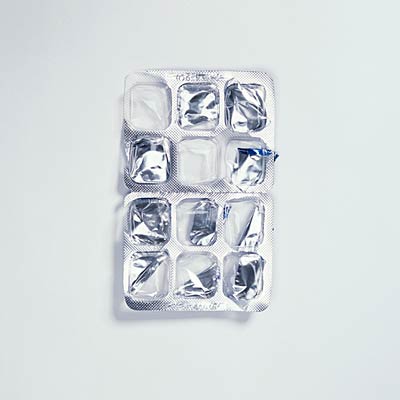
Sugar-free gum helps clean teeth by stimulating the production of saliva. Saliva is nature's way of washing away acids produced by the bacteria in your mouth, and it also bathes the teeth in bone-strengthening calcium and phosphate. In addition, many varieties of sugarless gum are sweetened with xylitol, an alcohol that reduces bacteria.

You might want to stick with mint flavors, however. One 2011 study suggests that the acid used to create certain fruit flavors could damage teeth, though only slightly. "Anything we taste as sour is more acidic, but we're getting so much good out of the saliva flow, I could live with that," Messina says.

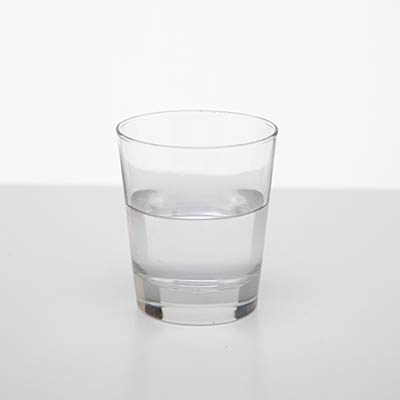
water-teethWater

Water, like saliva, helps wash sugars and acid off teeth. It also contains fluoride, a mineral that protects against tooth erosion and is found in toothpaste and some mouthwashes.

Fluoride occurs naturally in water (including some bottled spring water), and most tap water in the United States is also fortified with it.


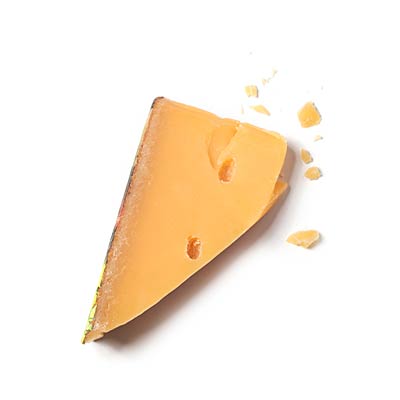
cheese-teethDairy

Milk and other dairy products are the primary dietary source of calcium, which is essential for healthy teeth. Calcium is the key ingredient in a mineral, known as hydroxyapatite, that strengthens tooth enamel as well as bones. (Teeth aren't bones, technically, but they share some of the same properties.)

Dairy products—especially cheese—also contain casein, a type of protein. Research suggests that caseins, along with calcium, play an important role in stabilizing and repairing tooth enamel.

spinach-teeth 

High-fiber foods

Leafy vegetables and other high-fiber foods promote good digestion and healthy cholesterol levels, and they also do wonders for your teeth—mostly because they require a lot of chewing.

Eating a bowl of spinach or beans is a bit like running your teeth through a car wash: All that chewing generates saliva, and the food itself physically scrubs your teeth as it's mashed up into little pieces. "It's the Milk-Bone dog biscuit benefit," Messina says.

strawberries-teeth 

Strawberries

These summer berries contain malic acid, a natural enamel whitener. Here's how to make your own at-home whitening treatment: Crush a strawberry to a pulp, mix it with baking soda, and spread it on your teeth using a soft toothbrush. Five minutes later, brush it off, rinse and voila: a whiter smile. (Be sure to floss, though, as tiny strawberry seeds can easily get trapped between your teeth.)

Thursday, January 22, 2015

The WORST Foods for Your Teeth

 CALL TODAY to see the current status of your teeth, and check in TOMORROW for the BEST remedies post and ways to reverse the damage.

Eat for a healthy smile

woman-red-wine-teethPrevention is the best medicine for your smile. Although fillings, crowns, and professional whitening can make your teeth stronger and brighter, it's better (and cheaper!) to avoid cavities and stains in the first place, by brushing, flossing, and—last but not least—eating right. As the following guide explains, the food we eat can have a big impact on our teeth.

Fortunately, foods like candy that don't always play nice with our teeth are generally harmless in moderation. "It's when we excessively use one thing that [it] can become a problem," says Matthew Messina, an Ohio-based dentist and spokesman for the American Dental Association.


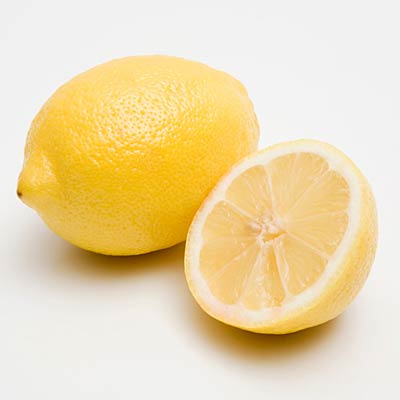
lemons-teethCitrus fruit

Citrus fruits and juices—a rich source of vitamin C and other nutrients—are good for you in many ways, but not when it comes to your teeth. Grapefruit and lemon juice, in particular, are highly acidic and can erode tooth enamel over time. In a 2008 study that involved soaking pulled teeth in various citrus juices, those two caused the most damage. Orange juice caused the least.

OJ is less acidic, Messina points out, and many store-bought varieties are also fortified with teeth-friendly calcium and vitamin D. "Fortified OJ is good for you on many levels," he says. "Drink it, but brush and floss as recommended."

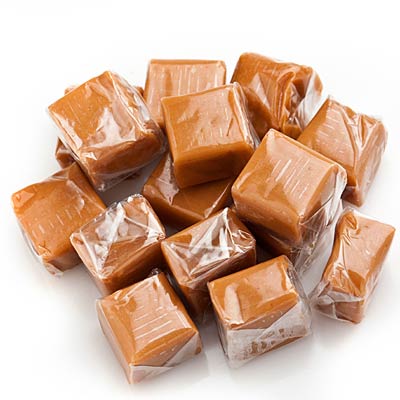
Chewy candy

caramel-teethThe stickier the candy, the worse it tends to be for your teeth. Extra-chewy candies—like taffy, caramels, or Jujyfruits—stick to (and between) teeth for a long time, allowing the bacteria in our mouths to feast leisurely on the deposited sugar. "Bacteria burns sugar to make acid, which dissolves the protective layer of tooth enamel and causes cavities," Messina explains.

Candies that are chewy, sugary, and acidic—a category that includes many "sour" varieties—deliver a "triple whammy of negatives," Messina adds, because they carry their own payload of erosive acid, in addition to that produced by the interaction of sugar and bacteria. 

candy-teeth 

Hard candy

Hard candies such as Jolly Ranchers don't cling to your teeth as readily as chewy candy, but they have their own downside: Unlike, say, chocolate-based sweets, which are chewed quickly and wash away relatively easily, hard candy dissolves slowly and saturates your mouth for several minutes at a time, giving bacteria more time to produce harmful acid. To make matters worse, many varieties of hard candy are flavored with citric acid.

Besides, if you bite down wrong on some hard candies, they can chip your teeth—something no amount of brushing or flossing can repair. They don't call 'em jawbreakers for nothing!

pickles-teethPickles

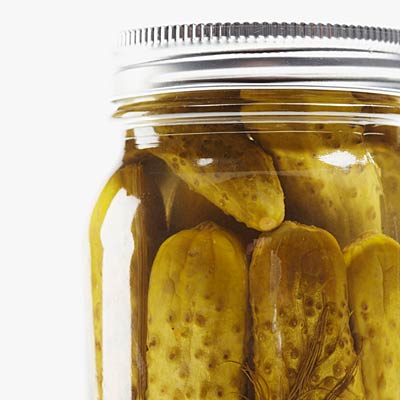
Acid (typically provided by vinegar) is essential to the pickling process. It's what gives pickles their sour, salty taste—and it's also what makes them a potential hazard to tooth enamel. In one 2004 study that looked at the eating habits of English teenagers, pickles were the solid food most closely linked with tooth wear. Eating them more than once a day increased the odds of wear by about 85%.

Most of us don't eat pickles that often, however, and snacking on them every now and then isn't likely to noticeably affect your dental health, Messina says.

soda-teethSoda

It's no secret that drinking too many sugary sodas can breed cavities. What's less well-known is that the acids found in carbonated soft drinks appear to harm teeth even more than the sugar. The upshot? Even sugar-free diet sodas like Diet Coke and Diet Pepsi—which both contain citric and phosphoric acid—can erode enamel if consumed in large doses.

If you can't do without soda, your best bet is to drink it during a meal, rather than sipping it throughout the day. The food will help neutralize the acid, Messina says, and "the time of exposure to the acid is much shorter."

sports-drink-teethSports drinks

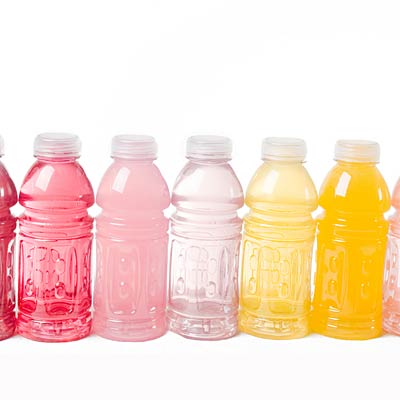
If you're in the mood for something sweet or fizzy, sports drinks and energy drinks may seem like a good alternative to soda. But Gatorade or Red Bull won't do your teeth any favors, either. These beverages are acidic, too, and are potentially even more damaging to teeth.

In a 2008 study, researchers at the University of Iowa measured enamel wear after steeping teeth in several different beverages for 25 hours. Lemon-lime Gatorade resulted in the most wear, followed by Red Bull, Coke, and Diet Coke.

red-wine-stain 

Wine

Here's a rule of thumb: Anything that will "get [you] yelled at if you spill it on a white table cloth" will also stain your teeth, Messina says. That means red wine, which contains substances known as chromogens that produce tooth-discoloring pigments. What's more, the tannins in red wine tend to dry out the mouth and make teeth sticky, worsening stains.

But even white wine can contribute to staining. Reds and whites both contain erosive acid, allowing stains from other foods or drinks to penetrate more deeply. A 2009 study found that cow's teeth soaked in black tea were more susceptible to staining if they were soaked in white wine (versus water) beforehand.

saltines-teethCrackers

The refined carbohydrates found in saltines and many other types of crackers convert to sugar in the mouth very quickly, providing fodder for cavity-forming bacteria. Crackers also become mushy when chewed, turning into a paste-like goop that builds up in your molars and lodges between teeth.

If you frequently binge on crackers you may have cause for concern, but eating them in moderation isn't likely to cause any long-term problems—"as long as you do a thorough job brushing and flossing," Messina says. "Good oral hygiene will compensate for almost anything."

coffee-stain-teethCoffee

You know those stubborn brown stains that accumulate on the inside of a coffee mug? Those give you some idea of how coffee drinking can stain your teeth over time. Coffee stains appear to be even more persistent than tobacco stains, in fact. According to one study that compared the two types of stain, coffee-stained teeth were more resistant to toothbrushing and more likely to become discolored again following a bleach treatment.

In addition to being unsightly, teeth with heavy coffee stains tend to be sticky and apt to attract food particles and bacteria, Messina says.

tea-teethTea

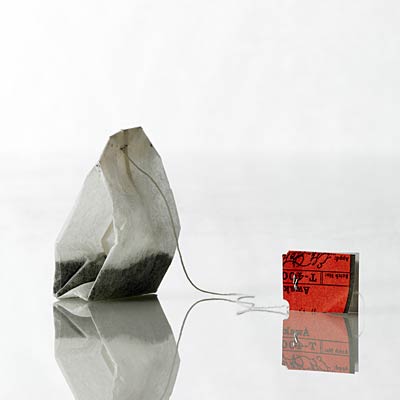
Tea may seem like coffee's gentler, kinder cousin, but that's not necessarily the case when your teeth are involved. Some black tea may even stain your teeth more than coffee. Like red wine, black teas tend to have a high tannin content, which promotes staining.

Not surprisingly, teas that are less rich in tannins—green tea, white tea, and herbal tea—aren't as likely to discolor your teeth. Herbal tea may have another drawback, though: In one study, herbal tea was found to erode dental enamel substantially more than black tea did.


CALL TODAY to see the current status of your teeth, and check in tomorrow for the BEST remedies and ways to reverse the damage.

Wednesday, January 21, 2015

How to Avoid Dental Cavities

Dental cavity has the highest frequency of occurrence amongst people all over the world. It is caused due to the improper care of teeth. It is faced mostly by children. Most of the times it results in tooth loss. Dental cavities are also known as tooth decays or caries. They show symptoms like tooth ache, holes, damages or craters on the teeth. Carbohydrates primarily from sweets and starch cause dental cavities.

During the early stages of dental cavity the surface of teeth becomes soft. In the preliminary stages any holes or pits cannot be seen on the teeth. However dental x-rays are helpful for the early diagnosis and treatment for the dental cavities. People who eat too many chocolates and sweets and do not take care of their teeth are more prone to problem of dental cavities. Read on to learn about taking better care of your teeth for avoiding dental cavities.

Causes of dental cavities
The bacteria present in the mouth are responsible for the cavities. It converts food, mainly sugar and starch into acid. Then it combines with acid, saliva and food debris to result in the formation of plaque. Plaque is a very sticky substance that stays on the teeth. If it holds on teeth for a longer time its mineralisation takes place. This then results in formation of tartar. These formations causes tooth irritation, infection and finally results in cavities.


How to avoid dental cavities
Here are some tips that you can follow for taking regular care of your teeth and thus avoiding dental cavities.
  • Be strict regarding your regular oral hygiene
  • Follow a habit of brushing teeth twice a day, once in the morning and once before going to the bed
  • Try flossing your teeth regularly
  • Avoid snacks which result in constant supply of acid in mouth
  • Avoid constant consumption of candies and mint
  • Stay away from the frequent intake of sugar drinks
  • Use tooth paste and mouth wash containing fluoride
  • Ingest fluoride through fluoride supplements or drinking water. Take care that you do not increase the fluoride intake as it can prove harmful. Consult your dentist regarding the fluoride intake. Your fluoride intake should be as per the quantity prescribed by your dentist or an expert.
  • Brush or wash your mouth whenever you consume any sticky eatable like sweet, chocolate or a dry fruit
  • Use dental sealants which helps to avoid collection of plaque on the teeth
  • Undertake tooth cleaning every six months by visiting dentist
  • Take dental x-rays every year to find whether there are chances of causing dental cavities or not
  • Treat cavities at an early stage of occurrence
Treatments for dental cavities

A completely decomposed tooth cannot be brought back in its original form. However there are certain ways which help preventing further decay. Here are some remedies used for treating tooth decay.

Filling
Decaying which takes place on the teeth is cleared with the help of drilling technique. The gaps are then replaced using material like porcelain, composite resin, gold or silver alloy. People who want their tooth to look natural in appearance prefer porcelain or composite resin filling.

Capping
Capping is used when sever decaying takes place. It is used when a very small portion is safe. On the remaining part of the teeth a cap or a crown is fixed. Porcelain, gold or a mixture of metal and porcelain is used for making a cap or crown.

Root canal
Root canal is undertaken to remove a dead or decayed nerve in tooth. It is a removal of small thread like tissue or tooth pulp in the center of the tooth. After its removal the gap is cleaned and filled. Capping is also done after cleaning if required.

If you do not treat dental cavities early, you can face risk of tooth loss. This can be avoided by taking proper care. You can adopt the tips suggested above and can save on the expenses of treating your decayed tooth. So spend more time on the dental care and have the best set of teeth that you can always flash while you smile. Smile now, it improves your face value.

Tuesday, January 20, 2015

8 Ways to Help Ease Your Child's Fear of the Dentist

Dentist. Just saying that word and reading that word brings up a lot of anxiety for people. Even for grown adults who have been visiting dentists their whole lives, or avoiding them their whole lives. I don’t know what it is about the profession that makes many people afraid (myself included), but I do know it’s quite common.
Easing Your Child's Fear of the Dentist
When it comes to our kids, being afraid of the dentist can be a difficult thing. We want to teach them the importance of oral care and want their experiences with the dentist to be easier than ours, but sometimes their anxiety and fear gets in the way. I know my kids are always anxious before their appointment, and it’s hard as a parent to watch.
If your child struggles with anxiety and fears about dental visits, they’re not alone. In a study published in the Eurpoean Journal of Dentistry in 2011, titled “Children’s Perception of Their Dentists“, out of the 583 children in the study, 11% didn’t like their visit to the dentist, and 12% stated that they were afraid — that’s a big number so you can see it’s quite common.
Here are some simple tips on how to help ease the fear your child has of the dentist that will make the process easier on all of you:

Easing Your Child’s Fear of the Dentist 

Keeping in mind that being afraid of the dentist and unknown things is normal, there are ways you can help ease your child's fears.
Explain Often the Importance of Oral Health

1) Find a Dentist Who’s Good With Kids

A good dentist really goes a long way when it comes to dental fears. Find someone through recommendations who is good with kids. Usually pediatric dentists are great with kids and have great offices set up.

2) Explain Often the Importance of Oral Health

Have regular conversations about why it's important to brush and floss and visit the dentist. Talk regularly, because then it won't seem so out of the norm to take care of your teeth. 
Have regular conversations about why it's important to brush and floss and visit the dentist. Talk regularly, because then it won't seem so out of the norm to take care of your teeth.

3) Meet and Greet Time

Before your child goes in for their first appointment, have a meet and greet first. Take your child to the office to see the place, meet the dentist and try out the chair before any procedures are done.

4) Make Regular Dental Visits

The more regularly they visit (every 6 months), the less afraid they will be because it will become less unknown.

Explain in Terms They Understand5) Explain in Terms They Understand

Let your child know what to expect, but in terms they understand. Tell them, or ask the dentist to tell them, what they're doing and what to expect so they won't be so afraid.

 6) Don’t Share Your Own Fears

I personally am not a fan of the dentist, never have been, but I am careful never to share that with my kids. If you do, it could very well make them more afraid and stressed.

 7) Tell Your Child’s Dentist

If your child is feeling anxious or afraid, let the dentist know. They may be able to help ease their fear and treat them with a little more care.

8) Avoid Scary Words

 Kids and scary words don't really get along well. Avoid using words like "hurt" or "freezing" or "shot" with your kids if you think it could make them more anxious.

Monday, January 19, 2015

5 Reasons to Floss Daily


Flossing is a commonly overlooked aspect of maintaining good oral health. Unfortunately, it is also quite important in preventing serious complications or infections, and is one of the best things you can do to keep your mouth healthy and happy for years to come.

Flossing

For anybody skipping this essential step, here are the top fine reasons why you should be flossing daily:
  1. Prevent periodontitis
  2. Flossing is by far the most beneficial technique you can use to prevent serious gum disease. When food debris gets caught in between teeth or in pockets between the teeth and gums, it begins to break down and get attacked by the bacteria in your mouth. This causes the body to initiate an immune response which can lead to a number of complications. Flossing removes the debris that toothbrushes can’t get to in order to help keep the mouth health and free of leftover food.

  3. Remove buildup of tartar
  4. Removing tartar from around the teeth is crucial to preventing gingivitis and other inflammations, but brushing alone cannot do it. This is why flossing was invented, to get into the small spaces between teeth that your brush cannot reach.

  5. Maintain general health
  6. Your dental health is an important aspect of your overall health, and the bacteria that may form in an unhealthy mouth can have serious impacts on several other bodily systems leading to cardiovascular disease, respiratory disease, and diabetes.

  7. Have a whiter smile
  8. Flossing regularly can help remove stains before they set, keeping your teeth whiter and preventing damage to your enamel.

  9. Prevent bad breath
  10. Food particles that get caught in the mouth and begin to break down are the most common cause of bad breath so clean your mouth out properly if you want to avoid the embarrassment of stinky breath.
Preventing dental diseases and cavities is much easier and more cost effective than relying on treatments once damage has already occurred, and the best way to prevent damage is to floss every single day before bed.

To floss effectively, use a piece of floss about 15-18” long. Slide it between the teeth and wrap around partway, moving it up and down against the curves. If your gums bleed during flossing, that is generally a sign that they are inflamed due to plaque buildup. If it continues to happen after two weeks of flossing regularly, it is a good idea to visit your dentist and get a professional cleaning if required.

Friday, January 16, 2015

Are Cavities Genetic?

With the high-tech research and cutting edge computing power available, it seems that the answer to many questions still lies in genetic makeup. Simply put, it’s hard to say whether cavities are hereditary. Genetic factors can play a part in oral health, but cavity formation is a complex and interesting story.

Oral Cavity

The Genetic Instructions for your Teeth

People will generate different amounts of saliva in their mouths, which is a genetic trait. Of course, saliva has benefits such as washing away germs and containing proteins and minerals that protect teeth from damage.

The germs that remain will generate acid to deteriorate your teeth, and saliva will neutralize the effects.

The durability of tooth enamel, the strong, outer coating of teeth, is also controlled by genes. When your teeth are formed, a calcium-rich layer coats the outside, and proteins surround the teeth to make the enamel.

For some people, their genes leave their enamel thin, soft, and possibly discolored.

Crooked teeth can make it more difficult to floss, deterring young children and adults from removing harmful bacteria hiding out in the nooks and crannies of the mouth.

These factors mean that teeth can be more or less susceptible to damage, but there’s still more to how cavities form.

Germs Can Travel Between People

A study was conducted on the germs that form cavities and they discovered that when mothers of young children had cavities, their children tended to as well. Germs can be transmitted when sharing utensils, sharing food, or warming pacifiers using the mouth. Mothers with genetically weak enamel and insufficient saliva are more susceptible to cavities, which in turn can mean greater transmission to their children. Knowing this, there is a way to prevent this from happening by being careful about sharing and hygiene.

Family Eating Habits

As a family groceries are often shared, which means foods on the shopping list high in sugar will be consumed by various family members. While a shared diet isn’t hereditary, it’s clear that is will have an effect on people who share a genetic background, contributing to the correlation of cavities between people who are related.

Good Oral Health Care Counters Predispositions

Even with all the above factors described, it’s often possible to work past these hurdles – proper dental care along with regular checkups can tip the balance. Someone born with a great set of teeth may have more cavities in the end than a person with mediocre teeth and great brushing and flossing habits.