Friday, January 30, 2015

Dental Myths Debunked!

With all the information available, how do you know what is true and what is not? No worries! We busted some dental health myths for you!

1. People who have bad breath do not brush their teeth.
Most cases of bad breath does originate in the mouth, but not all of it comes from uncleanliness. Several illnesses, acid reflex, and dry mouth are all causes of bad breath.

2. You should brush your teeth after each meal.
Some acidic foods can soften your tooth enamel. Brushing your teeth before the enamel can re-harden can wear it away. You should wait at least 30 minutes.

3. Cavities are caused by eating bad foods.
Dentists do warn patients against eating too much sugary food and drinking sugary soda. But plenty of healthy foods contains sugars as well. They can contain acid, too. Be careful of citrus fruits, honey, and sports drinks.

4. Because baby teeth are temporary, cavities in them does not need to be treated.
Cavities in baby teeth can affect the tooth nerve and gums, causing severe pain and swelling in that region. If you remove the baby teeth way before they are ready to fall on their own, you can cause either a prolonged delay of eruption, malpositioned, or even a non-erupted permanent tooth. Baby teeth are responsible for guiding the permanent teeth correctly to the appropriate positions at the appropriate time. Cavities in the baby teeth must be filled as soon as they appear.

5. Getting a cleaning from the dentist leads to a loss of enamel which causes teeth sensitivity.
When a dentist cleans your teeth, a very blunt instrument is used that vibrates at high speed to loosen only the direct which has collected around the tooth. This instrument in no way removes or scratches the enamel of the tooth. Your teeth may become a little loose and sensitive immediately after the cleaning, but this is usually only temporary.

6. Filling cavities in teeth will lead to severe pain later in life.
If you do not fill cavities at an early stage, it can lead to infection in the nerve of the teeth, leading to tooth pain. Cavities should be filled as soon as possible, before you even feel any pain. If a tooth is filled after you begin feeling tooth pain, then there will be severe pain later. 

7. If you start feeling pain, it is too late to save the tooth.
Teeth pain starts when the nerve in the tooth is infected. Even at this stage, the tooth can be saved by a procedure called Root Canal Treatment. In this treatment, the infected nerve is removed from the root canals of the tooth, the canals are cleaned, and all infection is removed. After the infection is gone, the tooth is filled completely up to the end of the root. This way, the tooth is dead but can be used normally. The tooth can stay in the patients mouth for life.

8. Extracted teeth does not need to be artificially replaced.
No matter how badly decayed a tooth it, it will be tried to be saved. If it has to be removed, it must be replaced as soon as possible. If not, then gradually the teeth adjacent to the gap will start tilting towards this gap, leading to food collection, cavities, and difficult in chewing in this region. The opposing teeth also grows down causing similar problems in the opposite arch teeth also. Therefore, a lost tooth must be replaced within a maximum of 6 months to prevent disease conditions in adjacent and opposing teeth and gums.

9. Braces are only for children.
Although the ideal age for putting braces to correct tooth positions is 12-14 years, people of all ages up to 45 years can gain significantly by using braces. Adult treatment may take a slightly longer time and may not be ideally finished, but certainly the problem can be corrected as long as gums are sufficiently healthy. 

10. No matter how much you take care of your teeth, they are not intended to last a lifetime. Loss of teeth after a certain age is inevitable.
Proper oral hygiene measures and regular checkups with your dentist involving early correction of any decay or infection can enable you to retain a healthy set of fully functional teeth throughout your life.

11. Hard bristled toothbrushes clean better.
The softer the better for bristles - hard or medium bristles can damage teeth and worsen gum recession due to a traumatic occlusion. Studies show that high-quality electric toothbrushes with soft bristles are a great investment because they clean better than manual tooth brushes.

12. The best way to freshen your breath is mouthwash.
Most mouthwashes cover bad breath, but they do not fix the underlying cause. Bad breath can be caused by bacteria in your mouth, cavities, gum disease, or it may be a sign of other medical issues. Your dentist can help rule out dental issues as the cause. If you like mouthwash, go with an alcohol-free brand. Alcohol in mouthwash will dry out your mouth. Sugar free gum with Xylitol is also an effective way to get a clean mouth feeling if you cannot brush.

13. Avoiding dark liquids and drinking through a straw will keep your teeth from getting dark.
It is more than coffee, tea, and soda that stain our teeth. Teeth that have wear and enamel-loss tend to be darker because those teeth have less of a protective layer against those staining liquids. Foods such as berry pies, soy sauces, red sauces, and mustards/ketchups can cause teeth to darken over time. The best way to whiten your teeth and keep them white is to visit your dentist and have him do an in-office whitening or make you custom trays. There are some over-the-counter whitening products like whitening toothpastes, but they typically do very little to whiten teeth. Use regular toothpaste with fluoride to keep your teeth looking great and cavity-free.

Thursday, January 29, 2015

Questions About Going to the Dentist

Whether you are 8 or 80, your oral health is important. Did you know that 100 million Americans fail to see a dentist each year, even though regular dental examinations and good oral hygiene can prevent most dental disease? Here are some frequently asked questions about going to the dentist.

Question: Why do regular dental visits matter?

Answer: Regular dental visits are important because they can help spot oral health problems early on when treatment is likely to be simpler and more affordable. They also help prevent many oral problems from developing in the first place. Visiting your dentist regularly is also important because some diseases or medical conditions have symptoms that can appear in the mouth.

Here are 15 signs you should see a dentist:

  • Your teeth are sensitive to hot or cold
  • Your gums are puffy and/or they bleed when you brush or floss
  • You have fillings, crowns, dental implants, dentures, etc.
  • You don’t like the way your smile or teeth look
  • You have persistent bad breath or bad taste in your mouth
  • You are pregnant
  • You have pain or swelling in your mouth, face or neck
  • You have difficulty chewing or swallowing
  • You have a family history of gum disease or tooth decay
  • You have a medical condition such as diabetes, cardiovascular disease, eating disorders, or are HIV positive
  • Your mouth is often dry
  • You smoke or use other tobacco products
  • You are undergoing medical treatment such as radiation, chemotherapy or hormone replacement therapy
  • Your jaw sometimes pops or is painful when opening and closing, chewing or when you first wake up; you have an uneven bite
  • You have a spot or sore that doesn’t look or feel right in your mouth and it isn’t going away.
Q: What if I don’t have any of these symptoms—do I still need to go to the dentist?
 
A: Yes. Even if you don’t have any symptoms, you can still have oral health problems that only a dentist can diagnose. Regular dental visits will also help prevent problems from developing. Continuity of care is an important part of any health plan and dental health is no exception. Keeping your mouth healthy is an essential piece of your overall health. It’s also important to keep your dentist informed of any changes in your overall health since many medical conditions can affect your oral health too.

Q: What can I expect during a dental checkup?

A: The dentist or hygienist will ask about your recent medical history, examine your mouth and decide whether or not you need x-rays. Depending on your treatment plan, the hygienist may use a special dental instruments to check your gums for gum disease. Your dentist will evaluate your overall dental health and conduct an oral cancer screening by holding your tongue with gauze, checking it and your whole mouth, then feeling your jaw and neck.
 
Q: How often do I have to go to the dentist?
 

A: There is no one-size-fits-all dental treatment. Some people need to visit the dentist once or twice a year; others may need more visits. You are a unique individual, with a unique smile and unique needs when it comes to keeping your smile healthy.  

Q: How do I find a dentist?

A: The American Dental Association offers these suggestions in finding a dentist:
  • Visit ADA Find-a-Dentist to search dentists in your area. 
  • Ask family, friends, neighbors or co-workers for recommendations. 
  • Ask your family physician or local pharmacist.
  • If you're moving, your current dentist may be able to make a recommendation.
  • Call or write your state dental society.
Q: What should I look for when choosing a dentist?
 

A: You may want to call or visit more than one dentist before making your decision. Dental care is a very personalized service that requires a good relationship between the dentist and the patient. During your first visit, you should be able to determine if this is the right dentist for you.

Consider the following: 
  • Is the appointment schedule convenient for you? 
  • Is the office easy to get to from your home or job? 
  • Does the office appear to be clean, neat and orderly?
  • Was your medical and dental history recorded and placed in a permanent file?
  • Does the dentist explain techniques that will help you prevent dental health problems? Is dental health instruction provided?
  • Are special arrangements made for handling emergencies outside of office hours? (Most dentists make arrangements with a colleague or emergency referral service if they are unable to tend to emergencies.) 
  • Is information provided about fees and payment plans before treatment is scheduled? 
  • Is your dentist a member of the ADA? All ADA member dentists voluntarily agree to abide by the high ethical standards reflected in the member code of conduct. You and your dentist are partners in maintaining your oral health. Take time to ask questions and take notes if that will help you remember your dentist's advice.
Here are some tips to help you take care of your smile:
  • Healthy habits. Brushing twice a day for two minutes and flossing daily are essential for everyone, no matter how unique your mouth is. It’s the best way to fight tooth decay and gum disease.
  • Build a relationship. Continuity of care is an important part of any health plan and dental health is no exception. When your dentist sees you regularly, he or she is in a good position to catch oral problems early. For instance, catching gum disease when it’s still reversible, or cavities when they are small and are more easily treated.
  • Maintain. Keeping your mouth healthy is an essential piece of your overall health. It’s important to keep your dentist informed of any changes in your overall health as well.
  • Talk about it! Only your dentist can determine what the best treatment plan is for you. Have questions about your oral health or certain dental procedures? Start a conversation. Ask your dentist to explain step-by-step. Dentists love having satisfied, healthy patients.
Q: What is the difference between a DDS and a DMD?
 

A: If you’re looking to find a dentist you may notice that while most are listed with a “DDS”, some may be listed as “DMD”. They both mean the same thing—your dentist graduated from an accredited dental school. The DDS (Doctor of Dental Surgery) and DMD (Doctor of Dental Medicine) are the same degrees. Dentists who have a DMD or DDS have the same education. The level of education and clinical training required to earn a dental degree, and the high academic standards of dental schools are on par with those of medical schools. Upon completion of their training, dentists must pass both a rigorous national written exam and a state or regional clinical licensing exam in order to practice. In order to keep their licenses, they must meet continuing education requirements for the remainder of their careers so that they may stay up to date on the latest scientific and clinical developments.

Wednesday, January 28, 2015

Modified Bass Technique 

(the correct way to brush)


Brushing Tips (VIDEO at end)

space placeholder

Most of us learned to brush our teeth when we were children. We have stuck with the same brushing technique into adulthood. Unfortunately, many of us learned how to brush the wrong way. And even if we learned the right way, we might not always stick to it. Brushing correctly is tricky. You want to remove plaque without brushing too hard and damaging your gums. There are different ways to brush correctly. See our animated instructions for some ideas. Your dentist or dental hygienist can show you the method that might be best for you.
The modified Bass technique (below) is among the most popular for adults. Parents should supervise their children's brushing until age 9 or 10. Here are a few general pointers about brushing.

  • Brush at least twice a day. One of those times should be just before you go to bed. When you sleep, your mouth gets drier. This makes it easier for acids from bacteria to attack your teeth. Also try to brush in the morning, either before or after breakfast. After breakfast is better. That way, bits of food are removed. But if you eat in your car or at work, or skip breakfast, brush first thing in the morning. This will get rid of the plaque that built up overnight.


  • Brush no more than three times a day. Brushing after lunch will give you a good midday cleaning. But brushing too often can damage your gums.


  • Brush lightly. Brushing too hard can damage your gums. It can cause them to recede (move away from the teeth). Plaque attaches to teeth like jam sticks to a spoon. It can't be totally removed by rinsing, but a light brushing will do the trick. Once plaque has hardened into calculus (tartar), brushing can't remove it. If you think you might brush too hard, hold your toothbrush the same way you hold a pen. This encourages a lighter stroke.


  • Brush for at least two minutes. Set a timer if you have to, but don't skimp on brushing time. Two minutes is the minimum time you need to clean all of your teeth. Many people brush for the length of a song on the radio. That acts as a good reminder to brush each tooth thoroughly.


  • Have a standard routine for brushing. Try to brush your teeth in the same order every day. This can help you cover every area of your mouth. If you do this routinely, it will become second nature. For example, you can brush the outer sides of your teeth from left to right across the top, then move to the inside and brush right to left. Then brush your chewing surfaces, too, from left to right. Repeat the pattern for your lower teeth.


  • Always use a toothbrush with soft or extra-soft bristle. The harder the brush, the greater the risk of harming your gums.


  • Change your toothbrush regularly. Throw away your old toothbrush after three months or when the bristles start to flare, whichever comes first. If your bristles flare much sooner than every three months, you may be brushing too hard. Try easing up.


  • Choose a brush that has a seal of approval by the American Dental Association. The type of brush you use isn't nearly as important as brushing the right way and doing it twice a day. Any approved brush will be a good tool, but you have to know how to use it.


  • Electric is fine, but not always necessary. Electric or power-assisted toothbrushes are a fine alternative to manual brushes. They are especially useful for people who don't always use proper brushing techniques. They also are a good choice for people with physical limitations that make brushing difficult. Use a powered toothbrush for at least two minutes, and don't press too hard.
space placeholder
space placeholder.Modified Bass Brushing Technique
space placeholder


  • Hold the toothbrush sideways against your teeth with some of the bristles touching your gums.


  • Tilt the brush so the bristles are pointing at your gum line.


  • Move the brush back and forth, using short strokes. The tips of the bristles should stay in one place, but the head of the brush should wiggle back and forth. You also can make tiny circles with the brush. This allows the bristles to slide gently under the gum. Do this for about 20 strokes or 20 circles. In healthy gums, this type of brushing should cause no pain. If it hurts, brush more gently.


  • Roll or flick the brush so that the bristles move out from under the gum toward the biting edge of the tooth. This helps move the plaque out from under the gum line.


  • Repeat for every tooth, on the insides and outsides.


  • On the insides of your front teeth, it can be hard to hold the brush sideways. So hold it vertically instead. Use the same gentle back-and-forth or circular brushing action. Finish with a roll or flick of the brush toward the biting edge.


  • To clean the biting or chewing surfaces of the teeth, hold the brush so the bristles are straight down on those surfaces.


  • Gently move the brush back and forth or in tiny circles to clean the entire surface. Move to a new tooth or area until all teeth are cleaned.


  • Rinse with water.


  • You can clear even more bacteria out of your mouth by brushing your tongue. Brush firmly but gently from back to front. Do not go so far back in your mouth that you gag. Rinse again..


Tuesday, January 27, 2015


1. Sugar Is the Only Thing That Causes Cavities

Myth, but it’s almost a fact.
“The truth is, acid produced by bacteria in your mouth is the cause of cavities,” says Kimberly A. Harms, DDS, an American Dental Association spokeswoman.
Any carb you eat can start that process. That includes sugar as well as rice, potatoes, bread, fruits, and vegetables.

2. Acid Causes Tooth Decay

Fact. Acidic foods can break down your teeth's outer shell (enamel), weaken the tooth, and make teeth more prone to decay.
“The bacteria responsible for tooth decay produces acids. Eating acidic foods often throughout the day (including juice and soda) can enhance that process,” says Misty Horn-Blake, DDS, a dentist in Johnson City, TN.
So, go light on the acid and practice good oral care.

3. Kids Get Way More Cavities Than Adults

Myth. Thanks to fluoride in tap water, “we’ve actually cut decay in school-aged children by half in the last 20 years,” Harms says.
On the flip side, she says cavities in senior citizens are on the rise because of medicines that dry out the mouth. They reduce saliva, which protects your teeth.

4. Aspirin Next to a Tooth Will Help a Toothache

Myth. You have to swallow the aspirin to ease your pain. Since aspirin is acidic, it could burn your gum tissue and cause a painful abscess if you place it next to a tooth.

5. All Fillings Will Need to Replaced

Myth. “Fillings do have a life expectancy,” Harms says, but it depends on things like tooth wear and oral hygiene.
If you keep up with your dental routine, you’re less likely to have problems, and your fillings may last longer.

6. You’ll Know When You Have a Cavity

Myth. “Sometimes you will know it, but at that point, it has usually spread to larger proportions than it would have if it had been found at a routine dental screening,” Horn-Blake says.
With timely checkups, your dentist can find a cavity before it causes pain.

7. Once a Tooth Is Treated, the Decay Stops

Fact. Once you get a cavity filled, the decay spot is removed. And if you take care of your teeth, the decay from the spot that was filled will most likely stay clear.


8. Cavities Are More Likely Between Teeth

Fact. “Anywhere bacteria can hide that you can't, or aren't able to, reach with a toothbrush or floss is a likely place for decay,” Harms says.
Use a mouthwash to help reach tough spots.

9. Clenching and Grinding May Lead to Cavities

Myth, but not far from fact. Cavities come from acid-producing bacteria. But clenching and grinding are among the worst things you can do to your teeth, Harms says.
With normal chewing, teeth touch for a tiny fraction of a millisecond, which causes little stress. But clenching and grinding put a huge amount of pressure on your teeth. The strain can eventually cause cracks and fractures of your teeth, which speeds up tooth decay.

10. Gaps in Teeth Lead to Cavities

Myth. “Bigger gaps are easier to keep clean,” Harms says. So as long as they are free of bacteria, wide spaces are less prone to decay.
Keep an eye on small gaps, though. Food may get stuck there and lead to cavities if it’s not cleaned out.

11. Chips and Cracks in Teeth Lead to Decay

Fact. Cracks and chips create a home for bacteria where your toothbrush won’t reach. This can hasten decay. Use a fluoride mouth rinse to get to hidden spots.

12. Sensitivity in Teeth Means You Have Decay

Myth. “While cavities can cause some sensitivities to cold and sweets, not all do,” Horn-Blake says. Other things might be making your teeth hurt.

13. Cavities Are the Only Reason for Root Canals

Myth. You need a root canal if the nerve inside a tooth is damaged. An unfilled cavity can lead to a root canal, but so can other things, like clenching and grinding.

14. Babies Can’t Get Cavities

Myth. Primary or "baby" teeth can get cavities that spread to other teeth if left untreated.

15. You Have to Brush, Floss, and Rinse to Prevent Cavities

Fact. “Absolutely! Prevention is the key,” Harms says. You need to remove bacteria from teeth.
Brush twice a day with a fluoride toothpaste, and floss and rinse daily. If bacteria are removed daily from every area of your tooth, “you won't get cavities,” Harms says.

Friday, January 23, 2015

The BEST foods and how to reverse the damage

Now that you know which foods can stain or weaken your teeth, it's time to focus on those that can help prevent or even reverse this dental damage. The good news is, if you eat a healthy diet you're probably already getting plenty of them, since many of the same foods that are good for our bodies in general—like vegetables—are also good for our teeth.

gum-teethSugarless gum

Sugar-free gum helps clean teeth by stimulating the production of saliva. Saliva is nature's way of washing away acids produced by the bacteria in your mouth, and it also bathes the teeth in bone-strengthening calcium and phosphate. In addition, many varieties of sugarless gum are sweetened with xylitol, an alcohol that reduces bacteria.

You might want to stick with mint flavors, however. One 2011 study suggests that the acid used to create certain fruit flavors could damage teeth, though only slightly. "Anything we taste as sour is more acidic, but we're getting so much good out of the saliva flow, I could live with that," Messina says.

water-teethWater

Water, like saliva, helps wash sugars and acid off teeth. It also contains fluoride, a mineral that protects against tooth erosion and is found in toothpaste and some mouthwashes.

Fluoride occurs naturally in water (including some bottled spring water), and most tap water in the United States is also fortified with it.


cheese-teethDairy

Milk and other dairy products are the primary dietary source of calcium, which is essential for healthy teeth. Calcium is the key ingredient in a mineral, known as hydroxyapatite, that strengthens tooth enamel as well as bones. (Teeth aren't bones, technically, but they share some of the same properties.)

Dairy products—especially cheese—also contain casein, a type of protein. Research suggests that caseins, along with calcium, play an important role in stabilizing and repairing tooth enamel.

spinach-teeth 

High-fiber foods

Leafy vegetables and other high-fiber foods promote good digestion and healthy cholesterol levels, and they also do wonders for your teeth—mostly because they require a lot of chewing.

Eating a bowl of spinach or beans is a bit like running your teeth through a car wash: All that chewing generates saliva, and the food itself physically scrubs your teeth as it's mashed up into little pieces. "It's the Milk-Bone dog biscuit benefit," Messina says.

strawberries-teeth 

Strawberries

These summer berries contain malic acid, a natural enamel whitener. Here's how to make your own at-home whitening treatment: Crush a strawberry to a pulp, mix it with baking soda, and spread it on your teeth using a soft toothbrush. Five minutes later, brush it off, rinse and voila: a whiter smile. (Be sure to floss, though, as tiny strawberry seeds can easily get trapped between your teeth.)

Thursday, January 22, 2015

The WORST Foods for Your Teeth

 CALL TODAY to see the current status of your teeth, and check in TOMORROW for the BEST remedies post and ways to reverse the damage.

Eat for a healthy smile

woman-red-wine-teethPrevention is the best medicine for your smile. Although fillings, crowns, and professional whitening can make your teeth stronger and brighter, it's better (and cheaper!) to avoid cavities and stains in the first place, by brushing, flossing, and—last but not least—eating right. As the following guide explains, the food we eat can have a big impact on our teeth.

Fortunately, foods like candy that don't always play nice with our teeth are generally harmless in moderation. "It's when we excessively use one thing that [it] can become a problem," says Matthew Messina, an Ohio-based dentist and spokesman for the American Dental Association.


lemons-teethCitrus fruit

Citrus fruits and juices—a rich source of vitamin C and other nutrients—are good for you in many ways, but not when it comes to your teeth. Grapefruit and lemon juice, in particular, are highly acidic and can erode tooth enamel over time. In a 2008 study that involved soaking pulled teeth in various citrus juices, those two caused the most damage. Orange juice caused the least.

OJ is less acidic, Messina points out, and many store-bought varieties are also fortified with teeth-friendly calcium and vitamin D. "Fortified OJ is good for you on many levels," he says. "Drink it, but brush and floss as recommended."

Chewy candy

caramel-teethThe stickier the candy, the worse it tends to be for your teeth. Extra-chewy candies—like taffy, caramels, or Jujyfruits—stick to (and between) teeth for a long time, allowing the bacteria in our mouths to feast leisurely on the deposited sugar. "Bacteria burns sugar to make acid, which dissolves the protective layer of tooth enamel and causes cavities," Messina explains.

Candies that are chewy, sugary, and acidic—a category that includes many "sour" varieties—deliver a "triple whammy of negatives," Messina adds, because they carry their own payload of erosive acid, in addition to that produced by the interaction of sugar and bacteria. 

candy-teeth 

Hard candy

Hard candies such as Jolly Ranchers don't cling to your teeth as readily as chewy candy, but they have their own downside: Unlike, say, chocolate-based sweets, which are chewed quickly and wash away relatively easily, hard candy dissolves slowly and saturates your mouth for several minutes at a time, giving bacteria more time to produce harmful acid. To make matters worse, many varieties of hard candy are flavored with citric acid.

Besides, if you bite down wrong on some hard candies, they can chip your teeth—something no amount of brushing or flossing can repair. They don't call 'em jawbreakers for nothing!

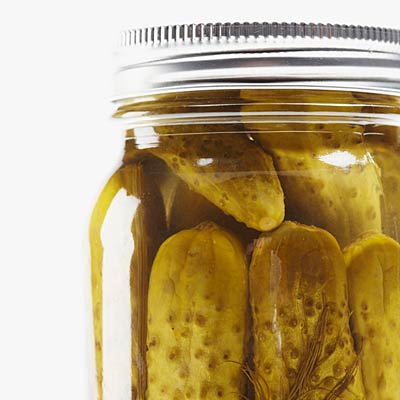
pickles-teethPickles

Acid (typically provided by vinegar) is essential to the pickling process. It's what gives pickles their sour, salty taste—and it's also what makes them a potential hazard to tooth enamel. In one 2004 study that looked at the eating habits of English teenagers, pickles were the solid food most closely linked with tooth wear. Eating them more than once a day increased the odds of wear by about 85%.

Most of us don't eat pickles that often, however, and snacking on them every now and then isn't likely to noticeably affect your dental health, Messina says.

soda-teethSoda

It's no secret that drinking too many sugary sodas can breed cavities. What's less well-known is that the acids found in carbonated soft drinks appear to harm teeth even more than the sugar. The upshot? Even sugar-free diet sodas like Diet Coke and Diet Pepsi—which both contain citric and phosphoric acid—can erode enamel if consumed in large doses.

If you can't do without soda, your best bet is to drink it during a meal, rather than sipping it throughout the day. The food will help neutralize the acid, Messina says, and "the time of exposure to the acid is much shorter."

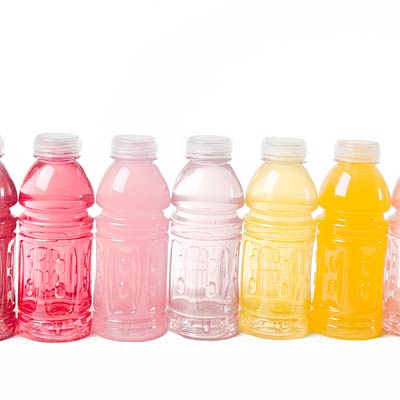
sports-drink-teethSports drinks

If you're in the mood for something sweet or fizzy, sports drinks and energy drinks may seem like a good alternative to soda. But Gatorade or Red Bull won't do your teeth any favors, either. These beverages are acidic, too, and are potentially even more damaging to teeth.

In a 2008 study, researchers at the University of Iowa measured enamel wear after steeping teeth in several different beverages for 25 hours. Lemon-lime Gatorade resulted in the most wear, followed by Red Bull, Coke, and Diet Coke.

red-wine-stain 

Wine

Here's a rule of thumb: Anything that will "get [you] yelled at if you spill it on a white table cloth" will also stain your teeth, Messina says. That means red wine, which contains substances known as chromogens that produce tooth-discoloring pigments. What's more, the tannins in red wine tend to dry out the mouth and make teeth sticky, worsening stains.

But even white wine can contribute to staining. Reds and whites both contain erosive acid, allowing stains from other foods or drinks to penetrate more deeply. A 2009 study found that cow's teeth soaked in black tea were more susceptible to staining if they were soaked in white wine (versus water) beforehand.

saltines-teethCrackers

The refined carbohydrates found in saltines and many other types of crackers convert to sugar in the mouth very quickly, providing fodder for cavity-forming bacteria. Crackers also become mushy when chewed, turning into a paste-like goop that builds up in your molars and lodges between teeth.

If you frequently binge on crackers you may have cause for concern, but eating them in moderation isn't likely to cause any long-term problems—"as long as you do a thorough job brushing and flossing," Messina says. "Good oral hygiene will compensate for almost anything."

coffee-stain-teethCoffee

You know those stubborn brown stains that accumulate on the inside of a coffee mug? Those give you some idea of how coffee drinking can stain your teeth over time. Coffee stains appear to be even more persistent than tobacco stains, in fact. According to one study that compared the two types of stain, coffee-stained teeth were more resistant to toothbrushing and more likely to become discolored again following a bleach treatment.

In addition to being unsightly, teeth with heavy coffee stains tend to be sticky and apt to attract food particles and bacteria, Messina says.

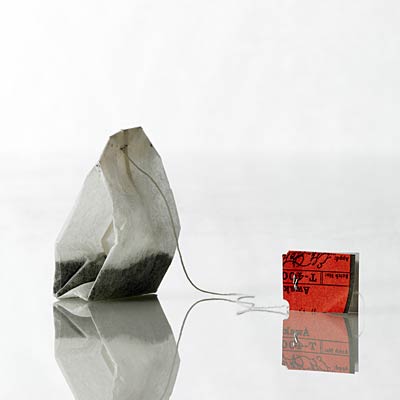
tea-teethTea

Tea may seem like coffee's gentler, kinder cousin, but that's not necessarily the case when your teeth are involved. Some black tea may even stain your teeth more than coffee. Like red wine, black teas tend to have a high tannin content, which promotes staining.

Not surprisingly, teas that are less rich in tannins—green tea, white tea, and herbal tea—aren't as likely to discolor your teeth. Herbal tea may have another drawback, though: In one study, herbal tea was found to erode dental enamel substantially more than black tea did.


CALL TODAY to see the current status of your teeth, and check in tomorrow for the BEST remedies and ways to reverse the damage.

Wednesday, January 21, 2015

How to Avoid Dental Cavities

Dental cavity has the highest frequency of occurrence amongst people all over the world. It is caused due to the improper care of teeth. It is faced mostly by children. Most of the times it results in tooth loss. Dental cavities are also known as tooth decays or caries. They show symptoms like tooth ache, holes, damages or craters on the teeth. Carbohydrates primarily from sweets and starch cause dental cavities.

During the early stages of dental cavity the surface of teeth becomes soft. In the preliminary stages any holes or pits cannot be seen on the teeth. However dental x-rays are helpful for the early diagnosis and treatment for the dental cavities. People who eat too many chocolates and sweets and do not take care of their teeth are more prone to problem of dental cavities. Read on to learn about taking better care of your teeth for avoiding dental cavities.

Causes of dental cavities
The bacteria present in the mouth are responsible for the cavities. It converts food, mainly sugar and starch into acid. Then it combines with acid, saliva and food debris to result in the formation of plaque. Plaque is a very sticky substance that stays on the teeth. If it holds on teeth for a longer time its mineralisation takes place. This then results in formation of tartar. These formations causes tooth irritation, infection and finally results in cavities.


How to avoid dental cavities
Here are some tips that you can follow for taking regular care of your teeth and thus avoiding dental cavities.
  • Be strict regarding your regular oral hygiene
  • Follow a habit of brushing teeth twice a day, once in the morning and once before going to the bed
  • Try flossing your teeth regularly
  • Avoid snacks which result in constant supply of acid in mouth
  • Avoid constant consumption of candies and mint
  • Stay away from the frequent intake of sugar drinks
  • Use tooth paste and mouth wash containing fluoride
  • Ingest fluoride through fluoride supplements or drinking water. Take care that you do not increase the fluoride intake as it can prove harmful. Consult your dentist regarding the fluoride intake. Your fluoride intake should be as per the quantity prescribed by your dentist or an expert.
  • Brush or wash your mouth whenever you consume any sticky eatable like sweet, chocolate or a dry fruit
  • Use dental sealants which helps to avoid collection of plaque on the teeth
  • Undertake tooth cleaning every six months by visiting dentist
  • Take dental x-rays every year to find whether there are chances of causing dental cavities or not
  • Treat cavities at an early stage of occurrence
Treatments for dental cavities

A completely decomposed tooth cannot be brought back in its original form. However there are certain ways which help preventing further decay. Here are some remedies used for treating tooth decay.

Filling
Decaying which takes place on the teeth is cleared with the help of drilling technique. The gaps are then replaced using material like porcelain, composite resin, gold or silver alloy. People who want their tooth to look natural in appearance prefer porcelain or composite resin filling.

Capping
Capping is used when sever decaying takes place. It is used when a very small portion is safe. On the remaining part of the teeth a cap or a crown is fixed. Porcelain, gold or a mixture of metal and porcelain is used for making a cap or crown.

Root canal
Root canal is undertaken to remove a dead or decayed nerve in tooth. It is a removal of small thread like tissue or tooth pulp in the center of the tooth. After its removal the gap is cleaned and filled. Capping is also done after cleaning if required.

If you do not treat dental cavities early, you can face risk of tooth loss. This can be avoided by taking proper care. You can adopt the tips suggested above and can save on the expenses of treating your decayed tooth. So spend more time on the dental care and have the best set of teeth that you can always flash while you smile. Smile now, it improves your face value.