Monday, February 9, 2015


5 Tips to Get Kids Excited about Dental Hygiene


It can be a very big challenge to get your little ones to care about dental hygiene, but it’s extremely important they learn the necessity of taking care of their teeth at a young age!

Dental Hygiene

If good dental habits aren’t developed early, your children could experience major issues when they’re older.
If you find that you’re getting into a fight with your son or daughter every day and night when it’s time to bring out the toothbrush, we’re here to save you some hassle with these five tips to get your children excited about dental hygiene!
  1. Tell a Story
  2. Words like “germs” and “plaque” don’t tend to resonate well with children. Instead of giving them the scientific explanation of why they should brush their teeth, think of an exciting story or cautionary tale to tell them.
    “Once upon a time their was a tooth fairy who was building a castle with the whitest teeth she could find. In fact, she’d pay children almost twice as much for clean teeth!” Creating an allure of fantasy and excitement will make them more inclined to want to be involved.
  3. Go Toothbrush Shopping
  4. Let your kids pick their own toothbrush (and even toothpaste!). Most kids are a lot more excited to grab their toothbrush every day if it’s their favourite colour or features a cartoon character they love.
    What’s more, tooth paste comes in all kinds of fun flavors, so they won’t be able to use taste as an excuse not to brush their teeth.
  5. Show and Tell
  6. Most dentists and pharmacies sell dissolving agents that kids can swish around in their mouth to reveal all the plaque that’s still stuck on teeth. Sometimes seeing the build-up of plaque firsthand is all it takes to get excited about cleaning their teeth! Plus it makes it that much more satisfying when they can clearly see the before and after of their efforts.
  7. Turn it into a Competition
  8. Most kids are very competitive. Spur your child’s excitement by having them race against the clock! Set a timer or a minute-hour glass and bet your child that they won’t be able to brush their teeth for a whole minute. Nothing works better than a little reverse psychology!
  9. Compliment them
  10. The best positive reinforcement is free—and very easy to give.
    Be sure to compliment your child on their dazzling smile and mouth full of pearly whites regularly! Most kids love nothing more than a pat on the back.

Friday, February 6, 2015


Healthy Teeth — Your Action Plan
  

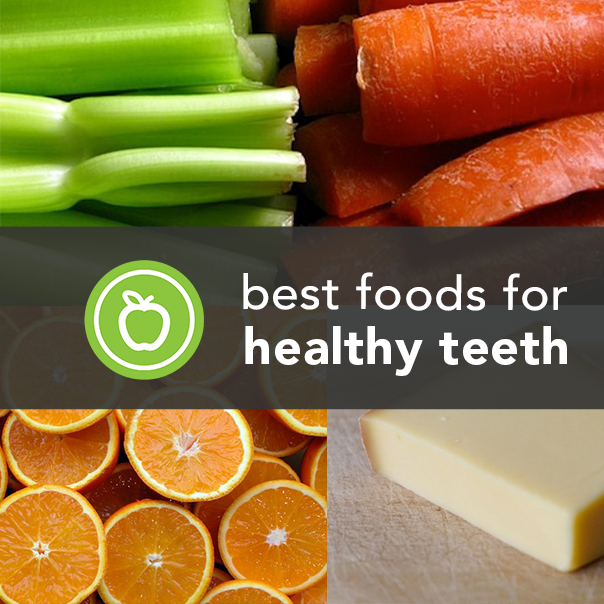
**Brush twice a day, floss often, use mouthwash…and eat? The secret to healthy teeth for life might be in the refrigerator, not the toothpaste aisle. Certain foods can help prevent cavities and tooth decay, keep plaque (sticky bacteria that can cover the teeth and gums) at bay, and even freshen breath. Read on to learn how to impress the dentist by incorporating tooth-friendly foods into every meal.**
Score Essential Minerals
Without enamel, biting into a crunchy apple would be downright painful. The hard, durable white covering protects the delicate nerves, connective tissues, and blood vessels that make up the inner layers of each tooth. Keeping enamel strong is an ongoing process, especially because acids and sugars found in foods can wear down the minerals that form enamel.
Snacking on foods rich in calcium and phosphorus can protect tooth enamel and even help replace minerals in teeth (a process called remineralization) after acids wear down enamel. Grab one of these options to keep chompers healthy and strong.


  • Low-fat cheese, milk, and yogurt (avoid varieties with lots of added sugar) are classic calcium-rich choices. Cheese is especially beneficial because it contains casein, a protein that can shore up enamel .
  • Meat, fish, and tofu are loaded with phosphorus, another important mineral that may protect tooth enamel . Homemade broth made from meat bones is a particular good source of this essential mineral.
  • Looking for vegetarian-friendly sources for these minerals? Broccoli, bok choy, and other dark, leafy veggies (for example kale, spinach, mustard or collard greens) are excellent animal-free ways to get plenty of vitamins and minerals, though their connection to tooth health is less clear..
Eat Plenty of Water
Just like those hammies, teeth require a little work every now and then to stay sharp (literally). Crunchy, firm foods that contain lots of water (and require lots of chewing) are good for oral health because they stimulate the flow of saliva . Drool is important for oral health — saliva contains enzymes that buffer the acids present in food and clean bits of food out of nooks and crannies. Plus, raw fruits and veggies gently scrub tooth surfaces, which can brighten those pearly whites.


  • Apples and carrots can scrub away plaque and freshen breath (so hit up the produce stand before heading to a hot date).
  • Unlike many fruits, raw pears are good at neutralizing acids.
  • Celery is almost always a good dietary choice. Full of water and fibrous strands, this raw veggie is basically nature’s floss.
Don’t Forget the Vitamin
Think of calcium and vitamin D as the Batman and Robin of bone health. The body requires a dose of vitamin D to absorb calcium, which in turn strengthens bones and teeth . Without this essential vitamin, loading up on extra calcium is an exercise in futility.
  • Score a DRI of this important vitamin by catching some rays . Just 10 minutes outside any time of year (sans SPF) produces enough vitamin D for a whole day — after that point, lather up with sunscreen to prevent skin damage or a painful burn.
  • Fortified milk, egg yolks, mushrooms, and fatty fish are also excellent sources of vitamin D.
    Limit Acids
    Just like acid-wash jeans, acidic foods aren’t exactly a good choice. Strong acids (aka foods with a low pH rating) are the number-one cause of enamel erosion and tooth decay . Keep teeth strong by limiting extremely acidic foods. Pro tip: If a food or drink easily stains the teeth (we’re looking at you, red wine), it’s usually fairly acidic.

  • It’s no surprise that limes, lemons, oranges, and grapefruits are loaded with acids (anyone who’s ever squeezed lemon in a paper cut by accident knows this well). They’re named citrus fruits after citric acid, after all Quantitative assessment of citric acid in lemon juice, lime juice, and commercially-available fruit juice products. Penniston KL, Nakada SY, Holmes RP, Assimos DG. Department of Surgery, Division of Urology, University of Wisconsin School of Medicine and Public Health, Madison, Wisconsin, USA. Journal of Endourology. 2008 March;22(3):567-70.. Love a glass of Florida’s Best in the morning? Minimize acid exposure by drinking juice in one sitting (aka not sipping for hours) and then avoiding other acidic foods and drinks for several hours.
  • Sorry, coffee addicts. Not so surprisingly, that morning cup (or three) of Joe puts oral health at risk. The tannic acids in coffee wear down enamel and can even stain teeth brown The effect of at-home bleaching and toothbrushing on removal of coffee and cigarette stains and color stability of enamel. Bazzi JZ, Bindo MJ, Rached RN, Mazur RF, Vieira S, de Souza EM. Pontifical Catholic University of Parana, Curitiba, Parana, Brazil. Journal of the American Dental Association. 2012 May; 143(5):e1-7..
  • They might make taste buds happy all summer long, but tomatoes are less beneficial to the teeth. Both raw and in sauce form, tomatoes are pretty acidic.
  • What happens when you mix veggies and vinegar? If you guessed a tooth’s worst nightmare, you’d be right. Pickles are tasty on a sandwich, but the combination of super-acidic vinegar and sugar is a recipe for enamel erosion.
  • Studies show a glass of red wine every once in a while can be good for the heart and cholesterol levels. Unfortunately, anyone who’s ever experienced “wine teeth” knows that the purplish beverage can stain teeth quite easily. The acids in red and white wine wear down the surface of teeth, which is why stains are so common. 
  • We already know that soda is bad for happiness and health. The combination of sugar, acids, and carbonation is a death sentence for teeth. Countless studies have linked soda consumption (both regular and diet) with tooth erosion and decay, so stay away from the sweet, bubbly stuff Dental erosion and severe tooth decay related to soft drinks: a case report and literature review.
Avoid Sugar
Remember how Mom cautioned against a sugar binge on Halloween? The line was always “you’ll rot your teeth if you eat that!” Turns out, mother knows best — chowing down on tons of sugar is indeed bad for tooth health. The sweet stuff can cause cavities and get stuck in crevices (becoming tasty fodder for bacteria). The following sweets and treats are particularly dangerous:

  • Pass up those after-dinner hard candies for healthier pearly whites. Lollipops, mints, and any other sugary treat that lingers in the mouth for a long time (even cough drops) expose teeth to sugar and acids for a long period of time. They’re much worse than a sugary treat that’s quickly chewed and swallowed (especially if they’re sour or tart flavored)
  • Though yummy in granola or energy bars, dried fruit is a perfect storm of sticky, chewy, and tooth-achingly sweet. The gooey bits are practically made for getting stuck between teeth, and most dried fruits (even those without added sugars) are off-the-charts sweet. 
  • While whether or not artificial sweeteners are safe is still up for debate, dentists are firmly in the “pro” camp. Some fake sweeteners, like Xylitol, can actually prevent cavities . So when an urge to snack on sweet stuff hits, grab a stick of sugar-free gum instead of a lollipop .

Eat Smart — the takeaway

Avoiding dentures by age 40 doesn’t mean swearing off all dark liquids, sweets, and citrus fruits. Keeping teeth healthy (and making the dentist happy) is all about using techniques that limit damage to teeth. Here are a few easy tips:
  • It’s best to eat acidic or sugary foods or drinks as part of a meal rather than on their own. For example, when part of a well-balanced lunch, the meat, cheese, bread, and other veggies are able to balance out the acids present in a tomato. Also, in a larger meal the mouth produces more saliva, which also buffers acids that can wear down teeth.
  • Limit snacking, especially on acidic or high-sugar foods. Eating often creates a constant state of acid in the mouth.
  • Don’t swish acidic drinks or hold them in your mouth — this exposes the teeth to acids for longer than necessary. Better yet, use a straw when drinking coffee, wine, or soda to protect enamel. The bartender or barista will most likely make fun of you, but we’ll see who’s laughing at your next dentist appointment.

Thursday, February 5, 2015

To have stronger and healthier teeth, you might want to start eating like a caveman.  

 dental care prehistoric humans

In pop culture, we are lead to believe that prehistoric humans were less intelligent, dirty and unequipped to take care of their health. However, according to archeologists, this couldn't be further from the truth, especially when it comes to removing dental plaque and preventing other oral health problems.

Prehistoric oral health care

Recent research conducted by an international team of archeologists that was published in the journal PLOS One shows that prehistoric individuals understood how important plants were to their overall health even before agriculture systems had been developed. The site that the researchers chose was located in Al Khiday, Sudan, a region on the White Nile in central Sudan that is known for being one of the world's oldest prehistoric areas for human life, dating back at least 7,000 years.

The scientists led their examination by extracting chemical compounds from calcified dental plaque in age-old skeletons - which might lead to you to believe that the researchers encountered a bout of prehistoric bad breath. However, what they discovered was that these individuals ate purple nut sedge. This weed was used for medicinal and aromatic purposes and was also an excellent source of carbohydrates, according to the University of York. This evidence demonstrates that the widely held belief that prehistoric people relied on meats and protein as their main sources of food might have been turned on its head. The consumption of purple nut sedge shows that even the earliest humans had a keen understanding of how plants benefited their well-being, including their teeth.

"We also discovered that these people ate several other plants and we found traces of smoke, evidence for cooking, and for chewing plant fibers to prepare raw materials," lead author Karen Hardy, a Catalan Institute for Research and Advanced Studies research professor at the Universitat Autònoma de Barcelona and an honorary research associate at the University of York, explained. "These small biographical details add to the growing evidence that prehistoric people had a detailed understanding of plants long before the development of agriculture."

Eat like a caveman

Many other scientists agree with Hardy, according to Smithsonian Magazine. Even though our modern capabilities and multimillion dollar dental industry have allowed us to enjoy straighter and whiter teeth compared to our prehistoric counterparts, data shows that they probably had healthier teeth than we do, and it all has to do with our modern diet.

As humans transitioned from hunting and gathering to farming, the bacterial structure of the mouth changed as well. As a result, certain types of "friendly" microbes in the mouth were overpowered by disease-causing bacteria. Fast-forward to the addition of processed foods from flours and sugars starting during the Industrial Revolution and you have a recipe for dental disaster tied directly to the growth of anaerobic bacteria.

What's the takeaway from this research? Cutting out processed carbs isn't just good for your waistline - it can help you develop stronger and healthier teeth. In addition, adding fresh vegetables and fruits to your diet can provide essential nutrients and contribute even more to your smile.

Wednesday, February 4, 2015

How to Screen for Throat Cancer


Every year, over 40 000 people are diagnosed with Oral Cancer in North America.


Screening For Throat Cancer

Not many more than half of those people will survive longer than five years after being diagnosed.

Despite decades of research, these numbers have scarcely improved over the years. Fortunately, like most types of cancer, the earlier you realize there’s a problem, the better your chances are of getting successful treatment and surviving.

The death rate associated with this cancer is only as high as it is because it is typically discovered very late in its development after it’s no longer possible to treat.

This is why it’s of utmost importance that you perform oral cancer screening regularly.

Not sure where to get started? Omni is here to help.
Understand Your Risk
      If you already know you’re more susceptible to oral cancer, you can screen yourself more often. 
    Historically, more men are diagnosed than women. Other major risks include a history of using cigarettes or smokeless tobacco products (including nicotine gum), age (most people are around 40 years-old when they’re diagnosed), or a previous diagnosis of HPV.

Go to the Dentist Regularly
    Most dentists will screen for different types of oral and throat cancers as a part of their routine check-up process. If you think you’re a high risk, let your dentist know so they can give you an even thorough inspection.
    To be safe, try to schedule a thorough dental examination at least once a year. This way any suspicious issues won’t have time to develop past the point of no return.

Self Inspection
    It can be hard to examine the inside of your own mouth, but it’s important that you at least make yourself aware of potential warning signs.
Use a flashlight and a small mirror to check yourself for suspicious signs of oral cancer. Some of these signs include but are not limited to:
  • Ulcers or open wounds in the mouth that won’t heal, even if they aren’t painful. These are the most common indicators of oral cancer.
  • White and/or red patches. These are called leukoplakia and erythroplakia, and are a sign of a fungal infection. Even though they aren’t cancer, they can quickly evolve into it if left untreated.
  • Difficulty swallowing. A sore throat can easily be dismissed as a cold or flu symptom, but this isn’t always the case. If you’re experiencing a chronic or recurring sore throat that doesn’t come along with any other symptoms and won’t respond to antibiotics, it could be a sign of throat cancer.

Tuesday, February 3, 2015

What to do in a Dental Emergency
Children find a way to get their mouth and teeth injured despite our best preventative measures as parents. It's part of growing up.

There are all kinds of dental related injuries. You can always call the dentist if you are worried, but most dental "emergencies" are not really emergencies. There are some things that are serious and need attention right away, but with most things, you can call the dentist tomorrow. Here is a guide to common concerns:

Do We Go to the ER?

Your child just fell riding his bicycle. There is lost of blood. His mouth is a mess. Who do you call? What do you do? Some oralfacial injuries are serious and some are nothing to worry about. How do you tell? Well, here are some guidelines. 

If there is lots of blood, don't panic. Any injury to the mouth bleeds a lot. Check out the situation; hold a cloth (if you can) with pressure to slow the bleeding. Most bleeding stops within 10-15 minutes whether you do anything or not. Once your heart stops racing so much and the child is not in such a state, look and see what the problem is. First, look and see is if there are facial cuts or lacerations, fear of a broken jaw, possible head trauma causing loss of consciousness (concussion), multiple knocked out and displaces teeth (and oral surgeon may need to see you at the hospital), or if you just are not too sure, then you need to go to the ER. They can stitch up any facial lacerations and take major X-Rays to check any other medical repercussions of the incident.

Now, if you don't have those bad things, you still might have a scary mess to deal with. I there is a broken tooth, the ER is not likely to be able to do much. If you go to the ER, you are likely to sit there for two hours and then they will call your dentist anyways. You can call your dentist first and he may be able to save you the trip to the ER.

Call the Dentist ASAP

If a permanent tooth is knocked out, you really need to follow these instructions carefully because you want to save the tooth. First, find the tooth. Do not scrub it clean, just put it in a moist environment like milk. CALL THE DENTIST RIGHT AWAY. He may direct you to rinse the tooth and put it back in right away. Most people don't like the idea of doing that, so your dentist can replant the tooth. It's fairly easy to do. The problem is that even thought it is back in, you probably need a splint to keep the tooth in position while it heals. It is best to get the tooth back in as soon as possible. If you can't get it back in, keep it moist in milk or water. The dentist can put it back in if it is possible to do so. After several days the tooth will need a root canal to remove the now dead inside part of the tooth. There is one exception in that if the tooth is very new and has not developed a full root, it might heal on its own.

If it is a baby tooth that was knocked out, just leave it out and place it under the child's pillow for the tooth fairy. It is not worth the risk to the developing permanent tooth to replant it. If you don't like the look of a space there, we might be able to make a little fixed appliance with a fake tooth, mainly or aesthetic purposes.

The ER sometimes can put a knocked out tooth back in as well, but you may still need a dentist to splint the tooth.

Other Dental Emergencies

Swollen face- Call your dentist. This may be a dental abscess that has spread into the facial tissues causing swelling. Usually, this is managed by antibiotics and removal or treatment of the offending tooth. Don't Wait to get this examined.

Broken or Chipped Tooth- Probably one of the most common concerns. This is quite common, especially in older children.

Baby Teeth- The little chips I often see in baby teeth are usually not much to worry about and can be smoothed out or left alone. Larger fractures might need a white filling to restore the lost tooth structure. If the fracture is severe, the tooth may need to be removed.

Permanent tooth fracture- I know it is quite distressing if a permanent tooth is fractured. Most of the time we can place a filling and the tooth looks good. Even if it is a larger fracture, we like to place a filling at first. It may need a crown later as the child gets older, but the fillings usually do quite well and look aesthetically pleasing. Just remember that if there is a filling there, it might get knocked off with a smaller blow than before. If the fracture is into the pulp (nerve) getting it looked at is more time sensitive. There is a greater chance that the tooth may need a root canal the larger the pulp exposure and the longer it is exposed. The younger the tooth, the more likely you may see a better recovery. Most fractures can wait until the next day to be seen and diagnosed by your dentist.

Tooth Knocked Loose- Sometimes the gums bleed more often, the tooth seems loose, but is is the same position as before. Usually needs no treatment whether it is a baby tooth or a permanent tooth. Sometimes, if it is quite loose, we might place a splint to hold it in place while it heals. This splint looks kind of like braces that are worn for a few weeks. The outcome is usually good. Sometimes a baby tooth will turn dark.

Tooth Knocked Out of Position- This is a much more serious occurrence. Usually, repositioning the tooth is desirable, preferably the day of the accident. Sometimes front baby teeth get knocked backwards so much they interfere with biting properly. Repositioning is important here and is usually treated the same day with finger pressure. Sometimes, with a permanent tooth, you can not easily reposition the tooth with finger pressure. Short term orthodontic repositioning is best for these cases. Sometimes a tooth (usually a baby tooth) is pushed up into the gum. This called an intruded tooth. If the baby tooth is intruded, less than 50% of the crown length (the part you normally can see), then it will very likely re-erupt back into position without any problems.This takes a few months. If it is pushed up where you can not see it, then it may or not not re-erupt and may need some additional treatment, even if it does. If it does not come back down, it may need to be removed. Sometimes there is such damage that it is best to remove the tooth and not wait for re-erruption if you think it may be harmful to the permanent tooth. The act of knocking the tooth up there may damage the developing permanent tooth bud. You never really know until the new tooth comes in what actually happened. Usually nothing happens, but the worst you may expect is some kind of blemish or spot (fixable) on the permanent tooth.

Other Bumps and Traumas

The mouth has a really good supply of blood and therefore bleeds tremendously when it sustains a trauma. The good news is that good blood supply usually means rapid healing. Sometimes stitches are needed and most of the time they are not. It depends on the severity and location. A "busted lip" will swell quite substantially, but will usually heal on it's own.

* If a young child has hit his mouth, and there is a substantial amount of blood, especially on his upper teeth/lip area look and see if it might just be a torn maxillary frenum. That is the little piece of tissue that connects the upper lip to the gum between the two front teeth. If it was tight and gets hit and stretched too much it will tear. It bleeds a lot at first, but will likely surpass after 20 minutes or so. Usually no stitches are necessary. In fact there may be no treatment needed at all. This is a very common injury in preschoolers.

Bottom line on all injuries is to see your dentist to get information that is specific for your child.

Monday, February 2, 2015


Tips for oral hygiene


Stay healthy with good oral health


A better, more confident you begins every morning and ends every evening if you stick with a consistent oral hygiene routine. This, in addition to regular dentist office visits, helps develop not only strong teeth and gums, but also overall good health. You'll feel good, look great, avoid unnecessary bills, and experience an improvement in many of your day-to-day social interactions. It's easy once you understand the basic routines required to maintain good dental hygiene. Get started with some basic dental education and a thorough awareness of the steps that should and should not be taken toward great, long-term oral health.

Proper oral hygiene is important in helping you stay healthy if you have risk factors such as diabetes and heart problems.

Oral hygiene benefits

Daily cleaning of your teeth, gums, and tongue, combined with annual check-ups helps ward off harmful bacteria and microbes that may cause tooth decay, bleeding gums, and oral infections. Proper oral hygiene is also important in helping you stay healthy, especially if you have risk factors such as diabetes and heart problems. Plus, oral hygiene elevates your sense of self-esteem. This is especially true for teenagers and adults who frequently interact with others at work or in social situations. Maintaining proper oral hygiene ensures that you won’t experience embarrassing conditions, such as plaque, tartar, and bad breath. It also lowers the need to treat dental problems that could otherwise be inexpensively prevented. For example, according to Kaiser Health News reports, dental costs make up approximately 20 percent of a child’s total health care expenses, and the costs are escalating rapidly.

Oral hygiene for kids

Enforcing good oral hygiene habits early in a child’s life is essential for his overall well-being. According to a 2007 Centers for Disease Control and Prevention (CDC), the number of cavities in children between the ages of two and five has escalated by 15 percent. Proper oral hygiene habits must start as early as the child begins to bottle feed. This is when babies are prone to tooth decay if they are given a bottle filled with sugary liquids, like milk or juice, when put to bed. While baby teeth should be cleaned using a washcloth, young babies should eventually have their teeth and tongues brushed using soft brushes. It is important for parents to teach children the proper way to brush their teeth with fluoride toothpaste, to take them for regular dental check-ups, and to serve foods that will help strengthen teeth. These include milk, cheese, and vegetables.

Oral hygiene for adults

Many adults experience significant dental problems that could be prevented through basic oral hygiene practices, like regular dentist appointments. For example, in 2009 alone, CDC data indicated that only 62 percent of adults surveyed had visited the dentist. To maintain optimal oral health, adults should brush their teeth at least twice a day, preferably after each meal and before going to bed. Flossing is also an essential part of an adult’s daily oral hygiene regimen. Regular brushing and flossing can prevent unpleasant conditions, such as plaque and bad odor. However, over-brushing or flossing may result in mouth bruises and bleeding, which can lead to infections. Adults should visit their dentist regularly for routine check-ups and before using over-the-counter medication.

Oral hygiene facts

Poor oral hygiene can increase your chances of developing heart disease. Professional teeth cleanings will reduce the bacteria that cause inflammation and eventually lead to heart disease (Veterans General Hospital in Taipei).
According to the American Dental Hygienists Association:
  • A major cause of tooth loss in children is cavities; while periodontal (gum) disease is the leading cause of tooth loss in adults.
  • Eating healthy snacks such as celery, carrots, or apples help clear away food loosely trapped in-between teeth.
  • The leading oral health problem for infants is baby bottle tooth decay, which can be caused when babies are given a bottle filled with sugary liquids, like milk or juice, when put to bed.

Oral hygiene statistics

According to the Centers for Disease Control and Prevention:
  • Roughly 78 percent of Americans have had at least one cavity by age 17.
  • 80 percent of the U.S. population has some form of periodontal (gum) disease.
  • In 2007, Americans made about 500 million visits to dentists and spent an estimated $98.6 billion on dental services.
  • Between 2005-2008, 16 percent of children ages 6-19 and 23 percent of adults 20-64 had untreated cavities.
  • Dental fluorosis (overexposure to fluoride) is higher in adolescents than in adults and highest among those aged 12–15.
  • Most adults show signs of periodontal or gingival diseases. Severe periodontal disease affects approximately 14 percent of adults aged 45-54.
  • 23 percent of 65-74 year olds have severe periodontal disease
  • Men are more likely than women to have more severe dental diseases.
  • Oral cancer occurs twice as frequently in men as women.
  • Three out of four patients don’t change their toothbrush as often as is recommended. Toothbrushes should be changed every two to three months and after illnesses.
Oral hygiene greatly affects overall long-term health, and promotes a more confident you. When it comes to dental care, prevention through daily cleaning and regular visits to the dentist’s office is better not only for your health, but for your budget. That's why it's important for parents to play a key role in reinforcing smart oral hygiene habits. Kids are likely to follow in the footsteps of those who set positive examples and will carry those healthy habits through their own adult lives. Remember, whatever your age, it’s never too late to take a serious stand in keeping your teeth healthy and your smile confident.

Friday, January 30, 2015

Dental Myths Debunked!

With all the information available, how do you know what is true and what is not? No worries! We busted some dental health myths for you!

1. People who have bad breath do not brush their teeth.
Most cases of bad breath does originate in the mouth, but not all of it comes from uncleanliness. Several illnesses, acid reflex, and dry mouth are all causes of bad breath.

2. You should brush your teeth after each meal.
Some acidic foods can soften your tooth enamel. Brushing your teeth before the enamel can re-harden can wear it away. You should wait at least 30 minutes.

3. Cavities are caused by eating bad foods.
Dentists do warn patients against eating too much sugary food and drinking sugary soda. But plenty of healthy foods contains sugars as well. They can contain acid, too. Be careful of citrus fruits, honey, and sports drinks.

4. Because baby teeth are temporary, cavities in them does not need to be treated.
Cavities in baby teeth can affect the tooth nerve and gums, causing severe pain and swelling in that region. If you remove the baby teeth way before they are ready to fall on their own, you can cause either a prolonged delay of eruption, malpositioned, or even a non-erupted permanent tooth. Baby teeth are responsible for guiding the permanent teeth correctly to the appropriate positions at the appropriate time. Cavities in the baby teeth must be filled as soon as they appear.

5. Getting a cleaning from the dentist leads to a loss of enamel which causes teeth sensitivity.
When a dentist cleans your teeth, a very blunt instrument is used that vibrates at high speed to loosen only the direct which has collected around the tooth. This instrument in no way removes or scratches the enamel of the tooth. Your teeth may become a little loose and sensitive immediately after the cleaning, but this is usually only temporary.

6. Filling cavities in teeth will lead to severe pain later in life.
If you do not fill cavities at an early stage, it can lead to infection in the nerve of the teeth, leading to tooth pain. Cavities should be filled as soon as possible, before you even feel any pain. If a tooth is filled after you begin feeling tooth pain, then there will be severe pain later. 

7. If you start feeling pain, it is too late to save the tooth.
Teeth pain starts when the nerve in the tooth is infected. Even at this stage, the tooth can be saved by a procedure called Root Canal Treatment. In this treatment, the infected nerve is removed from the root canals of the tooth, the canals are cleaned, and all infection is removed. After the infection is gone, the tooth is filled completely up to the end of the root. This way, the tooth is dead but can be used normally. The tooth can stay in the patients mouth for life.

8. Extracted teeth does not need to be artificially replaced.
No matter how badly decayed a tooth it, it will be tried to be saved. If it has to be removed, it must be replaced as soon as possible. If not, then gradually the teeth adjacent to the gap will start tilting towards this gap, leading to food collection, cavities, and difficult in chewing in this region. The opposing teeth also grows down causing similar problems in the opposite arch teeth also. Therefore, a lost tooth must be replaced within a maximum of 6 months to prevent disease conditions in adjacent and opposing teeth and gums.

9. Braces are only for children.
Although the ideal age for putting braces to correct tooth positions is 12-14 years, people of all ages up to 45 years can gain significantly by using braces. Adult treatment may take a slightly longer time and may not be ideally finished, but certainly the problem can be corrected as long as gums are sufficiently healthy. 

10. No matter how much you take care of your teeth, they are not intended to last a lifetime. Loss of teeth after a certain age is inevitable.
Proper oral hygiene measures and regular checkups with your dentist involving early correction of any decay or infection can enable you to retain a healthy set of fully functional teeth throughout your life.

11. Hard bristled toothbrushes clean better.
The softer the better for bristles - hard or medium bristles can damage teeth and worsen gum recession due to a traumatic occlusion. Studies show that high-quality electric toothbrushes with soft bristles are a great investment because they clean better than manual tooth brushes.

12. The best way to freshen your breath is mouthwash.
Most mouthwashes cover bad breath, but they do not fix the underlying cause. Bad breath can be caused by bacteria in your mouth, cavities, gum disease, or it may be a sign of other medical issues. Your dentist can help rule out dental issues as the cause. If you like mouthwash, go with an alcohol-free brand. Alcohol in mouthwash will dry out your mouth. Sugar free gum with Xylitol is also an effective way to get a clean mouth feeling if you cannot brush.

13. Avoiding dark liquids and drinking through a straw will keep your teeth from getting dark.
It is more than coffee, tea, and soda that stain our teeth. Teeth that have wear and enamel-loss tend to be darker because those teeth have less of a protective layer against those staining liquids. Foods such as berry pies, soy sauces, red sauces, and mustards/ketchups can cause teeth to darken over time. The best way to whiten your teeth and keep them white is to visit your dentist and have him do an in-office whitening or make you custom trays. There are some over-the-counter whitening products like whitening toothpastes, but they typically do very little to whiten teeth. Use regular toothpaste with fluoride to keep your teeth looking great and cavity-free.