It is a fact that the healthy teeth are the factor with the greatest influence on anyone’s confidence. This is why we pay so much attention to our teeth. As we are slowly entering autumn the weather is gradually changing for the worse. Also, the temperature is dropping slowly and in couple of months it is going to be freezing outside.
Did you know that cold weather may leave you prone to some of the dental problems?
Some of us have sensitive teeth which certainly becomes annoying during winter season. This is the time of the year when sudden change in temperature is pretty common. It can cause either sharp, unsettling pain or mild discomfort in your teeth.
Here are some dental health tips that could help you protect your teeth from cold.


Visit the Expert
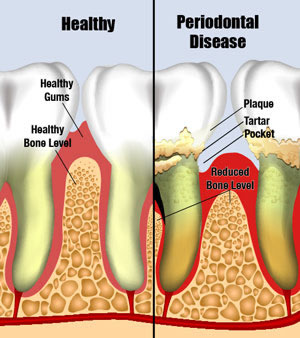
If you haven’t checked your teeth recently, you might consider visiting an expert. This type of dental medical center offers all kinds of services to their patients, kind of like a Perfect Smile Spa. Your teeth may be simply sensitive to cold weather because they are cracked or have enamel which is either weakened or thin. Other reasons for cold weather sensitivity may be gum recession, brushing too hard, infection, gingivitis and clenching or grinding teeth.
A professional at perfect smile spa will be able to determine what course of action will have the best result for your teeth, after they have previously examined you. This is the only way to ensure that you have strong and healthy teeth. After you have taken care of this, you can try the following tips on how to reduce your teeth’s cold sensitivity.
Practice Proper Oral Hygiene
Cold tooth sensitivity can be fixed at home fairly easily. You just have to step up your oral hygiene game. Make sure to brush your teeth after meals and don’t forget to floss. If you are still experiencing pain after rapid temperature changes, you might want to try changing your toothpaste.
For instance, potassium based desensitizing toothpaste is a great way to help reduce the sensitivity in your teeth. If you know that you have this problem you should use this toothpaste at least a month before the temperature drops, because it takes time for it to work. It depolarizes areas of exposed dentin or root, which is why it takes time to reach full effect, but when it does, trust me, you can say goodbye to cold sensitivity.
Another great choice is calcium based desensitizing toothpaste. It provides immediate relief by plugging open pores encasing the tooth calcium. It mimics the body’s natural ways of remineralization, thus protecting the sensitive nerve endings in your teeth. Also, make sure that you are using a toothbrush with soft bristles.
Maintain your Water Intake
Staying hydrated during winter is as important as it is during the hot summer months. Don’t forget this! The experts recommend at least 2 liters of water per day. This will not only keep your brain and body healthy but also your teeth. Proper water intake will ensure that your gums and teeth are moist. Also, by drinking enough water, you will produce more saliva. This is important, especially during cold months since it is known that saliva is more prone to drying up in cold weather. Without enough saliva, bacteria build up exponentially in our mouth.
Try to avoid sugary beverages as they are not a good way to stay hydrated and sugar helps bacteria reproduce. Stick to water, and of course your favorite tea. Furthermore, if your teeth are sensitive to cold you should avoid consuming acidic foods as this can also contribute to or aggravate their sensitivity.
Limit Time Spent Outdoor
If it is freezing outside and you know that your teeth are sensitive to cold, you have to limit your time spent outdoors. The ability to see your own breath is a sign that you should be heading to a cozy warm room as soon as you can.
Like any other material, the material our teeth are made of expands and contracts when temperature rises or drops. This is why sudden changes of temperature can cause small surface hairline fractures on our teeth. These lead to teeth that are hyper sensitive to temperature change.
In case you have to go outside to do your errand make sure to wear some sort of scarf, so that it can trap warmth around your mouth.
Adjust your Diet
Your diet has everything to do with your dental health, as it has to do with your overall health. I have already mentioned that you should avoid acidic foods, but let’s dive into some more specifics.
It is not only important to look after what you eat, but also when you eat it. Getting onto a healthy diet will help you straighten your defenses against cold weather. Before you decide to go onto any dieting regime, make sure to consult a physician. Keep his advice in mind when you are choosing your foods.
In general, you can pick meals and snacks from the following food groups: vegetables, fruits, whole grains, lean beef, skinless poultry and fish, dry beans and peas, fat-free or low-fat dairy products.
It is of great importance that you limit the number of snacks. This is because having snacks can be far more dangerous for your teeth than regular meals. You may wonder why? Well, because there is more saliva during regular meals, and it successfully washes away foods from the mouth and reduces the effects of the acids.
While enjoying snacks, there is far less saliva. The acidic environment in your mouth can harm your teeth and cause cavities.
I really hope these tips will help you protect your teeth from the cold. Expanding your knowledge on this topic through some additional online research is a great way for covering all of your bases. In the end, remember this little gem of wisdom: “Dentistry is not expensive, neglect is.”
By: Rhais Saifi, Huffigton Post
http://www.huffingtonpost.com/rahis-saifi/5-dental-health-tips-on-h_b_12457368.html
By: Rhais Saifi, Huffigton Post
http://www.huffingtonpost.com/rahis-saifi/5-dental-health-tips-on-h_b_12457368.html
If you have questions or would like to schedule an appointment, please contact Omni Dental Group at one of our three office locations listed below:
North Austin on Hymeadow Drive: (512) 250-5012
Central Austin on Jollyville Road: (512) 346-8424
South Austin on William Cannon: (512) 445-5811
North Austin on Hymeadow Drive: (512) 250-5012
Central Austin on Jollyville Road: (512) 346-8424
South Austin on William Cannon: (512) 445-5811