Showing posts with label austin general dentist. Show all posts

Friday, October 14, 2016

5 Dental Health Tips On How To Protect Your Teeth From The Cold

It is a fact that the healthy teeth are the factor with the greatest influence on anyone’s confidence. This is why we pay so much attention to our teeth. As we are slowly entering autumn the weather is gradually changing for the worse. Also, the temperature is dropping slowly and in couple of months it is going to be freezing outside.
Did you know that cold weather may leave you prone to some of the dental problems?
Some of us have sensitive teeth which certainly becomes annoying during winter season. This is the time of the year when sudden change in temperature is pretty common. It can cause either sharp, unsettling pain or mild discomfort in your teeth.
Here are some dental health tips that could help you protect your teeth from cold.

Visit the Expert

If you haven’t checked your teeth recently, you might consider visiting an expert. This type of dental medical center offers all kinds of services to their patients, kind of like a Perfect Smile Spa. Your teeth may be simply sensitive to cold weather because they are cracked or have enamel which is either weakened or thin. Other reasons for cold weather sensitivity may be gum recession, brushing too hard, infection, gingivitis and clenching or grinding teeth.
A professional at perfect smile spa will be able to determine what course of action will have the best result for your teeth, after they have previously examined you. This is the only way to ensure that you have strong and healthy teeth. After you have taken care of this, you can try the following tips on how to reduce your teeth’s cold sensitivity.

Practice Proper Oral Hygiene

Cold tooth sensitivity can be fixed at home fairly easily. You just have to step up your oral hygiene game. Make sure to brush your teeth after meals and don’t forget to floss. If you are still experiencing pain after rapid temperature changes, you might want to try changing your toothpaste.
For instance, potassium based desensitizing toothpaste is a great way to help reduce the sensitivity in your teeth. If you know that you have this problem you should use this toothpaste at least a month before the temperature drops, because it takes time for it to work. It depolarizes areas of exposed dentin or root, which is why it takes time to reach full effect, but when it does, trust me, you can say goodbye to cold sensitivity.
Another great choice is calcium based desensitizing toothpaste. It provides immediate relief by plugging open pores encasing the tooth calcium. It mimics the body’s natural ways of remineralization, thus protecting the sensitive nerve endings in your teeth. Also, make sure that you are using a toothbrush with soft bristles.

Maintain your Water Intake

Staying hydrated during winter is as important as it is during the hot summer months. Don’t forget this! The experts recommend at least 2 liters of water per day. This will not only keep your brain and body healthy but also your teeth. Proper water intake will ensure that your gums and teeth are moist. Also, by drinking enough water, you will produce more saliva. This is important, especially during cold months since it is known that saliva is more prone to drying up in cold weather. Without enough saliva, bacteria build up exponentially in our mouth.
Try to avoid sugary beverages as they are not a good way to stay hydrated and sugar helps bacteria reproduce. Stick to water, and of course your favorite tea. Furthermore, if your teeth are sensitive to cold you should avoid consuming acidic foods as this can also contribute to or aggravate their sensitivity.

Limit Time Spent Outdoor

If it is freezing outside and you know that your teeth are sensitive to cold, you have to limit your time spent outdoors. The ability to see your own breath is a sign that you should be heading to a cozy warm room as soon as you can.
Like any other material, the material our teeth are made of expands and contracts when temperature rises or drops. This is why sudden changes of temperature can cause small surface hairline fractures on our teeth. These lead to teeth that are hyper sensitive to temperature change.
In case you have to go outside to do your errand make sure to wear some sort of scarf, so that it can trap warmth around your mouth.

Adjust your Diet

Your diet has everything to do with your dental health, as it has to do with your overall health. I have already mentioned that you should avoid acidic foods, but let’s dive into some more specifics.
It is not only important to look after what you eat, but also when you eat it. Getting onto a healthy diet will help you straighten your defenses against cold weather. Before you decide to go onto any dieting regime, make sure to consult a physician. Keep his advice in mind when you are choosing your foods.
In general, you can pick meals and snacks from the following food groups: vegetables, fruits, whole grains, lean beef, skinless poultry and fish, dry beans and peas, fat-free or low-fat dairy products.
It is of great importance that you limit the number of snacks. This is because having snacks can be far more dangerous for your teeth than regular meals. You may wonder why? Well, because there is more saliva during regular meals, and it successfully washes away foods from the mouth and reduces the effects of the acids.
While enjoying snacks, there is far less saliva. The acidic environment in your mouth can harm your teeth and cause cavities.
I really hope these tips will help you protect your teeth from the cold. Expanding your knowledge on this topic through some additional online research is a great way for covering all of your bases. In the end, remember this little gem of wisdom: “Dentistry is not expensive, neglect is.”

By: Rhais Saifi, Huffigton Post
http://www.huffingtonpost.com/rahis-saifi/5-dental-health-tips-on-h_b_12457368.html
 
If you have questions or would like to schedule an appointment, please contact Omni Dental Group at one of our three office locations listed below:

North Austin on Hymeadow Drive: (512) 250-5012
Central Austin on Jollyville Road: (512) 346-8424
South Austin on William Cannon: (512) 445-5811

Monday, October 10, 2016

12 Things Your Dentist Knows About You Just By Looking In Your Mouth


While cavities and plaque build-up may be what's on your mind before a teeth cleaning, your dentist is looking for a whole lot more. "The mouth is the window to the body," says David Silverstrom, DDS, of The Silverstone Group in Livingston, NJ. "Often, diseases like cancer, anemia and diabetes will first be identified by the dentist in a regular examination, and this saves lives." And it's not just diseases- dentist can discover everything from your bad habits to your favorite beverages simply by asking you to say, "Ahh!"


1. You flossed right before your appointment—and that's the only time.
Sorry, but you can't fool your dentist into thinking you floss daily by doing so the night before or morning of your visit. "The gums of people who only floss right before a visit are bleeding or look damaged," says Timothy Stirneman, DDS, of All Smiles Dental in Algonquin, IL, "whereas, healthy gums are nice and tight and pink," he says. Kenneth Wong, DDS, of Santa Monica adds, "When patients floss right before coming for a cleaning, I can see the slices where the floss cut at the gum because they were overzealous."
2. You're pregnant.
"Nearly 40% of women will develop gingivitis during their pregnancy," says Glen Stephenson, DMD, of Prevention Dental in Boise, ID. "This is caused by increased progesterone, which facilitates the growth of bacteria, causing gingivitis. Some women will develop a deep red lump on their gums called a pregnancy tumor or pyogenic granuloma." (This type of tumor is completely benign and will go away after the pregnancy is over.) Stirneman adds that most women are typically pretty far along before their gums start bleeding, so it's not as though a dentist will magically "discover" that a patient is pregnant.


3. You bite your nails.
Without looking at your hands, a dentist may be able to detect this habit. "Signs include chips and cracking of the teeth, plus wear and tear on the teeth from the constant stress on them," says Keith Arbeitman, DDS, of Arbeitman & Shein in New York City. "This can cause your teeth to become uneven and lead to jaw pain and discomfort." Kyle Stanley, DDS, of Helm, Nejad, Stanley in Beverly Hills adds, "Patients that bite their nails using their front teeth usually have leveled off, flat front teeth. The nails themselves are not what cause the damage, but rather the contact that occurs between the top and bottom teeth," he says.
4. You used to suck your thumb.
"Most children that suck their thumbs or a finger have no long-term effects from the habit," says Stephenson. "However, those who did so past the age of seven or eight may show significant changes to their bite or the position of their teeth. Much of that can be corrected through orthodontic treatment, but some telltale signs can remain." Alice Lee, DDS, of Montefiore Medical Center in Bronx, NY, adds, "We can sometimes see protruding front teeth, and this can impact how kids' jaws are coming together and growing and can also impact their speech."
5. Your bad breath may mean something.
"General bad breath can be categorized as halitosis," says Arbeitman. But dentists are also trained to identify "fruity" smells and "fishy" smells, which can mean numerous things. " 'Fruity' breath could indicate uncontrolled diabetes or a dietary fast that has gone too far, while 'fishy' breath could be a sign of kidney or liver failure," he explains. If the smell is "very foul," says Arbeitman, it could be anything from gastroesophageal reflux (GERD) to an underlying lung abscess and bronchitis to a tonsil stone. Timothy Chase, DMD, of SmilesNY in New York City, adds, "The first thing the dentist should do is rule out the odor coming from the teeth and gums. After that, he should recommend that the patient see an ENT to rule out sinus issues, and a GI doc to rule out reflux issues."
6. You may have an eating disorder.
"Many patients are surprised that their dentist is the first one to ask about eating disorders," says Chase, "but bulimia exhibits a very distinct pattern of tooth wear that your dentist can easily identify." Stephenson notes that, "This erosion happens almost exclusively on the tongue-side of the front teeth and can contribute to increased cavities." But Silverstrom is quick to point out that acid erosion on the back of a patient's teeth does not always indicate an eating disorder. He says other possibilities include acid reflux and the use of antidepressants or mood-elevating drugs, both of which reduce the amount of saliva in the mouth, thereby upping the odds of acid damage.
7. You have a sinus infection.
"Often patients will call saying that they need a root canal," explains Ira Handschuh, DDS, of The Dental Design Center in NY, "when in fact it's actually a sinus infection and not a tooth problem at all." The reason, he explains, is because the roots of the top teeth are positioned in the same area as the floor of the sinuses. And both sinus infections and toothaches can show symptoms of pressure. "A simple home test is to have a patient bend over to touch their toes. If the pressure or pain increases just by doing this, the pain is most likely not tooth-related and he should see his ENT or primary care physician before coming to the dentist," he advises.

8. You have a vitamin deficiency. "A deficiency of vitamins and minerals can cause many oral conditions, like burning tongue syndrome, tissue sloughing off, increased infections, delayed healing, bone infections, and easy-to-bleed gums," explains John P. Dougherty, DDS, MAGD, of Artistic Dental at the Biltmore in Phoenix, AZ. Stephenson adds, "Surprisingly, iron deficiencies show up in many ways in your mouth. It can give some patients severe sores in the corners of their mouth while others have changes in their tongues. Some may experience a painful burning sensation, or all the small papillae fall off their tongue leaving it glossy and smooth. Getting more iron will solve these problems.
9. You have diabetes. "Many times, imbalances in sugar will show a rapid change in the health of your gums, including increased swelling, bleeding, and sensitivity," says Handschuh. "In conjunction, the consistency of saliva may change, and there may be increased decay. These may all be signs of sugar levels that are out of control, so dentists can alert patients to see their doctor to check for diabetes."
10. You have a drinking problem. "Alcoholic patients are cavity-prone because alcohol tends to dry the mouth out," says David Tarica, DMD, of 34th Street Dental in New York City. "A dry mouth will lead to cavities, because saliva neutralizes the damage-causing acid in our mouths. In addition, alcoholics have 'chipmunk red cheeks,' and the smell alone is usually a giveaway."
11. You have oral cancer. "The first signs of oral cancer can be seen from the following: unexplained bleeding in the mouth, white, red, or speckled patches in the mouth, a change in the way your teeth fit together, swellings, thickenings, lumps or bumps or eroded areas on the lips, gums, or other areas inside the mouth," explains Michael Apa, DDS, of Rosenthal Apa Group in New York City. "An oral surgeon should be consulted for a biopsy of any suspicious tissue."
12. You love Gatorade. You may know why you chipped your tooth, but Hugh Flax, DDS, of Flax Dental in Atlanta says that even though the cause may be apparent, "there could be underlying factors that weakened the tooth and made it susceptible to being chipped in the first place." He explains that teeth can be softened by sodas and other sugary beverages over time, which may make a tooth more susceptible to chipping. Energy drinks, which tend to be even more acidic than soft drinks, may cause even more damage to tooth enamel, he says.


By: Elizabeth Jenkins, Prevention
http://www.prevention.com/health/what-your-dentist-knows-about-your-health
 
If you have questions or would like to schedule an appointment, please contact Omni Dental Group at one of our three office locations listed below:

North Austin on Hymeadow Drive: (512) 250-5012
Central Austin on Jollyville Road: (512) 346-8424
South Austin on William Cannon: (512) 445-5811

Monday, September 19, 2016

How often should you brush your teeth? Oral hygiene 'dos and don'ts' explained by expert


Are we brushing our teeth frequently and for long enough? The British Dental Association has outlined the routine we should all get in to.

It's a habit which has been drummed into us from an early age, but the recent news flossing your teeth could be a waste of time has put the spotlight on oral hygiene.
When it comes to looking after our teeth, there are certain pieces of wisdom which we've incorporated into our routines.
But in the wake of the news about flossing, when it comes to oral hygiene, how much does your average person know about what we should be doing - and which habits do we need to ditch?
For example, how many of us know how long we SHOULD brush or teeth for and how often? And what are we doing wrong?
MirrorOnline spoke to the British Dental Association’s scientific adviser, Professor Damien Walmsley, who kindly put together this definitive list of "dos and don'ts."

How often?

"The best way to prevent tooth decay is to brush teeth twice daily with a fluoride toothpaste to remove plaque, limit the frequency, and amount of sugary food and drinks consumed in your diet, and see the dentist regularly.


Don'ts'

  • Brush for long enough – research indicates that people only brush for 45 seconds
  • Rinse the mouth after brushing – fluoride helps to prevent, control and even stop tooth decay – but rinsing the mouth out dilutes the concentration of fluoride, so SPIT, don’t rinse.
  • Brush too soon after eating – as enamel on teeth is softened after eating especially with sugary foods – it’s best to wait an hour before brushing which allows the tooth to harden up more.
  • Use a hard bristle toothbrush as this can damage the soft tissues in the gums.
  • Don't brush too hard – the bristles should lightly sweep the tooth.


'Dos'

  • Brush for at least two minutes, twice daily, with a fluoridated toothpaste
  • Brush last thing at night and at least on one other occasion
  • Use a small headed toothbrush with medium bristles.
  • Put a pea-sized blob of fluoride toothpaste on your toothbrush.
  • Brush along the gum line as well as the teeth themselves
  • Brush all surfaces of the teeth, including the outer, inner and chewing surfaces as well as the hard-to-reach back teeth and areas around fillings, crowns or other restorations.

If you have spaces between teeth, it is best to clean these with an interdental or single-tufted brush. Where the spaces between teeth are too tight to fit such a brush, use dental floss or tape
If you are unsure about the effectiveness of brushing, use disclosing tablets after brushing to highlight any areas you may have missed.
There is good evidence that a small-headed counter oscillating electric toothbrush helps in removing dental plaque but they must be used correctly and your dentist or hygienist will advise.

Plaque

Plaque is a sticky film of bacteria that covers your teeth and gums. It develops constantly and you clean it off every day when you brush your teeth. Certain harmful oral bacteria feed on the sugars you eat to create acids that destroy the tooth enamel.
Cavities are a bacterial infection created by acids, that cause your teeth to experience a hole in them.
The more sugar you eat, the more acid you will create in your mouth, and the more acidic attacks your teeth are exposed to, the higher the risk of developing tooth decay.

By: Zahra Mulroy, Mirror
http://www.mirror.co.uk/lifestyle/health/how-often-should-you-brush-8637066

If you have questions or would like to schedule an appointment, please contact Omni Dental Group at one of our three office locations listed below:

North Austin on Hymeadow Drive: (512) 250-5012
Central Austin on Jollyville Road: (512) 346-8424
South Austin on William Cannon: (512) 445-5811

Friday, September 16, 2016

Doctors, Dentists Seek New Ways to Reach Millennial Patients

Kate Morgan, 25, hasn't seen a doctor for a checkup since before she went to college, when she saw her pediatrician at age 18.

"Nothing's bothering me, I don't have any symptoms, why go see a doctor?" reasoned Morgan, who recently moved from Voorhees, N.J. to Hummelstown, Pa. When she has needed medical care, she either went to the emergency department or visited an urgent care clinic.
For now she has insurance under her dad's policy, but that's ending with her 26th birthday next week. She works multiple part-time jobs, so she can't get employer-based insurance.
"I have no idea how the health insurance marketplace works or if I can afford it," she said. "I haven't looked into it because it's kind of daunting."
Morgan is not alone. According to the 2015 Investing in the Health and Well-Being of Young Adults report, only 55 percent of Americans ages 18 to 25 visited a doctor's office in 2009 and only 34 percent visited a dentist.
There are lots of reasons: feeling invincible, difficulty navigating the health care system, concerns about costs and co-pays, and the inconvenience of making an appointment and seeing a doctor or dentist. Under the Affordable Care America Act (also known as Obamacare), everyone who can afford it is legally obligated to get health insurance or pay a penalty. One of the main reasons some major insurers have cited for leaving the exchanges is the lack of young, healthy people signing up, leaving the exchanges full of older and less healthy people who cost more to cover.


How often


How often a person should get a physical exam depends on whom you ask, said Janice Hillman, an adolescent-medicine physician at Penn Medicine.
"A medical provider will say once a year for an annual physical," she said. "But if you ask insurance, they'll say 18-34 year olds are your ideal patient population because they're never sick, so well-checks should be every two years and three years with some insurance plans."
But it's about more than an insurance quagmire. The millennials (19-35 year-olds) are a lost generation for health care, Hillman said. They hate to, as they see it, waste time and money; they don't place as much store as their elders on having a personal relationships with a provider; and they go to the internet for answers. When they do get sick, they choose retail clinics and emergency rooms for the convenience.
"Most millennials cannot believe that our outdated, inefficient system says, 'You're sick today, come in two weeks when I have an appointment for you,'" Hillman said. "So they go where they can be seen at the time and place of their choosing."
The health care system is taking notice. Online apps such as DocASAP and Zocdoc; telemedicine, where doctors work with patients via phone and web; and an increase in physician assistants who can examine, diagnose and treat patients, are gaining popularity. ERs are developing parallel tracks so they can accommodate true emergencies as well as patients who use the ER as a primary care office. Many doctors and hospital systems are communicating with patients through text messages, the favorite tool of the tech-savvy generation.

"The millennials want efficiency, value, to be treated with respect, and customer service, and we have to listen," said Hillman.


Pediatrician


For some young adults, that means sticking with their pediatrician. The National Ambulatory Medical Care Survey analysis estimates that there were 700,000 visits to pediatricians by 19-28 year olds in 2002, 1.4 million in 2007 and 2.4 million in 2012.
The fact that they are seeing any doctor is good news, said Patience White, director at the Center for Health Care Transition Improvement, a group that studies the transition from pediatric to adult health care.
Karly O'Toole, 24, doesn't feel regular checkups are worth the trouble. "The doctor that I had is in West Chester and it's not easy to get there," said the Center City resident. An account executive still on her parents' insurance, she doesn't want to take time off from work or lay out the co-pay.
"It's more of a chore to me than it is a benefit. If I'm feeling okay, I don't feel the need to get a checkup."
O'Toole does see a specialist for a recurring heart issue and sees the gynecologist for birth control. But for anything else she'll consult her mom or the pharmacist, and if necessary, go to an urgent care facility. She eschews dentists.
Dental care recommendations include a cleaning every six months, four basic x-rays once a year and a full set of x-rays every four to five years, said dentist Jeff Cabot, owner of Queen Village Family Dentistry. But there's an obvious gap in the millennial age group, he said.
"Dentistry is best done on a routine basis," he said, noting that by the time there's pain, what could have been a simple filling might turn into a root canal or crown - or even systemic health problems.
"Gum disease increases your risk for heart disease, diabetes, low-birth-weight babies of pregnant mothers, and there's a connection with Alzheimer's disease because it's literally an infection that can travel through your entire body," he said.
Cabot chalks up the reluctance to young people feeling invincible, and also fear of the cost of dentistry.

"A lot of people think it's expensive but if you do it properly it can actually reduce your overall costs," he said.
That's what happened to Morgan. Though she was cavity-prone as a kid, until last year, she hadn't seen a dentist in seven years. When she finally did go, she needed extensive work. "Now I go regularly and am very much committed to dental care," she said.
"But I've yet to do the same with regular health care."

By: Terri Akman
http://www.philly.com/philly/health/20160918_Doctors__dentists_seek_new_ways_to_reach_millennial_patients.html

If you have questions or would like to schedule an appointment, please contact Omni Dental Group at one of our three office locations listed below:

North Austin on Hymeadow Drive: (512) 250-5012
Central Austin on Jollyville Road: (512) 346-8424
South Austin on William Cannon: (512) 445-5811

Wednesday, September 14, 2016

6 Ways to Ease Your Child’s Anxiety at The Dentist

"It's time to go to the dentist," are seven words no adult or child wants to hear. While these are not words most people like to hear they are words you need to hear if you care about your smile. Sadly, many children are terrified by even the thought of going to the dentist. May officials have often encouraged the use of sedation dentistry even amongst small kids to help them deal with the nerves associated with visiting the dentist which has led to a widespread debate on if children should be allowed to take in such drug. Despite the debate one thing remains in order to keep healthy teeth your children must go to the dentist here are just a few ways you can help calm your toddler when it's time to go to the dentist:

Speak Positive Words

When it comes to going to the dentist it is terrifying for both children and adults. In order to eliminate anxiety before going to the dentist it is important that you let your child know that the visit will be an exciting one versus telling them they should be afraid.

Embrace Brushing Teeth at Home

It is recommended that you begin brushing your child's teeth once they start growing in. This not only encourages overall healthy teeth but it also helps children get used to having something on their teeth so that they are not paralyzed by fear when their first trip to the dentist arrives.

Start with a Pediatric Dentist

Pediatric dentists specialize in only children's teeth which may be the best bet for your little one as they get used to visiting the dentist. Not only is a pediatric dentist an expert in pediatric tooth care but he is also an expert in making sure your child does not have a full blown while getting take care of.

Play Pretend

Kids love playing pretend and using it as a tactic in overcoming fear will make playing pretend so much better. Set up a play date a few days before your child visits the dentist and have his or her room set up like a dentist office. Pretend to be the dentist and let them be the patient as you explore their teeth and gums. Your child is sure to love this game and most of all you are prepping them for their visits in a few days.

Don't Bribe Your Child

When taking your child to the dentist the last thing you want to do is bribe your child with things such as candy or other sweet treats. Bribing your child with sweets would be counterintuitive to what the dentists does for the teeth. It is best to simply calm your child's nerves. If you must bribe your child bribe them with stickers and or other fun activities.

Avoid Words that Promote Fear

Using the words "pain." "shot" or even "doctor" can be frightening for small children so try not to let your child know that they are going to see a doctor. Instead, share with them that they are going to see someone who cares about how strong their teeth and gums are. Using less fearful words could also help with decreasing anxiety.

By: Stephanie R. Caudle
http://www.huffingtonpost.com/stephanie-r-caudle/6-ways-to-ease-your-child_b_11549086.html

If you have questions or would like to schedule an appointment, please contact Omni Dental Group at one of our three office locations listed below:

North Austin on Hymeadow Drive: (512) 250-5012
Central Austin on Jollyville Road: (512) 346-8424
South Austin on William Cannon: (512) 445-5811

Wednesday, September 7, 2016

How Often Should You Change Your Toothbrush?


Every time we pass them along our teeth, we trust that our toothbrushes are handling business and getting rid of disease-causing plaque, which is full of bacteria. But if you're using an old toothbrush you’re not doing your mouth any favors. You see, while many of us know how important it is to take care of our teeth, we aren’t as diligent when it comes to taking care of our toothbrushes.

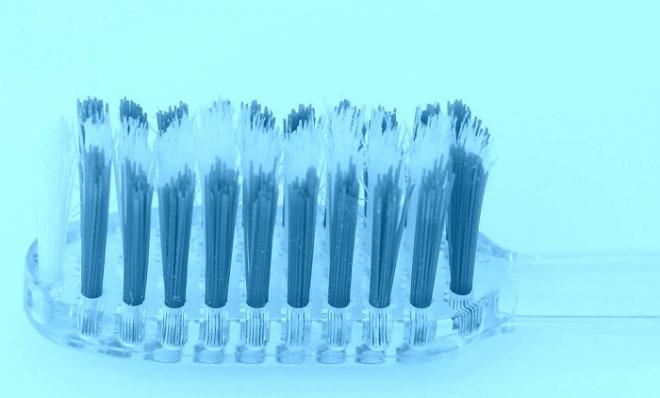
Toothbrushing plays an essential role in personal oral hygiene. However, if you’re brushing your teeth as often as you’re supposed to — twice a day, in the morning and right before bed — then the bristles on your toothbrush are becoming frayed and worn with each use faster than you realize. This isn’t a good thing since worn-out brushes won’t efficiently clean teeth and become less effective at fighting off decay.

“As your bristles start to fray, they are not actually getting in between your teeth. You may not be as efficient at brushing your teeth,” Dr. Jonathan Abenaim, dentist and clinical instructor at New York University, told Medical Daily. “There may be bacteria or a few particles left behind if you don’t have the right toothbrush.”

A frayed toothbrush can be an inconvenience, but the solution is simple: replace it. The American Dental Association recommends that consumers replace toothbrushes approximately every three to four months, or possibly sooner if you’ve been sick. It’s also important to note that you’re not just throwing away your toothbrush, but millions of bacteria.

One study from the University of Manchester in England found that the average toothbrush contains at least 10 million bacteria — including E. coli and Staph. When you think about it, this makes sense since at any given time there are about 100 to 200 oral bacteria species living in your mouth, most of which end up on a toothbrush after a single brushing. In fact, a new toothbrush can become contaminated with bacteria, viruses, and fungi (living in the mouth or from the external environment) after just 30 seconds of use. What’s more, these germs don’t just stay on the toothbrush, they can also be transmitted to other toothbrushes in the household, increasing the risk of infection with each use.

In other words, swapping out your toothbrush every three to four months is just as important as brushing twice a day and flossing when it comes to maintaining your oral health.


By: Jaleesa Baulkman
http://www.medicaldaily.com/how-often-should-you-change-your-toothbrush-bacteria-dental-care-385771

If you have questions or would like to schedule an appointment, please contact Omni Dental Group at one of our three office locations listed below:
North Austin on Hymeadow Drive: (512) 250-5012
Central Austin on Jollyville Road: (512) 346-8424
South Austin on William Cannon: (512) 445-5811

Friday, September 2, 2016

10 Things You Should Know Before Going to the Dentist


Fortunately for parents and kids, there are ways to make the dentist appointment less stressful for everyone. Here are 10 things to know before visiting the dentist:

1. Find a dentist that suits you and your family. Seek recommendations or look online for reviews. Call ahead to ask if you can interview or speak with the dentist about any reservations you may have regarding your dentist appointment. If you are taking a child to the dentist, consider using a pediatric dentist.

2. Gather your dental records, x-rays, insurance information, and any other pertinent papers to bring with you to your appointment. If this is a child’s first appointment, consider letting them hand their records to the dentist themselves.

3. Know your water. Find out if your drinking water contains fluoride. If not, your doctor may suggest that you and your child use a fluoride mouth rinse in addition to regular brushing and flossing.

4. Write down any questions you may have, so you do not forget to leave without the answers you need. When taking children to their dentist appointment, encourage them to ask any questions they may have too.

5. Talk with your children about what they can expect to happen during their visit. Describe how their teeth will be cleaned and the dentist will check for cavities. Explaining the procedure beforehand may help to ease any nervousness and help them to feel more confident during their appointment.

6. Talk with your dentist. If your child is nervous about the visit, let your dentist and hygienist know. Some children may be nervous, while others may have difficulty sitting still, or even sensitivities to lights and sounds. Talk with the dental office beforehand to make sure they can accommodate your needs.

7. Practice full disclosure with both the dentist and the hygienist. It will be helpful to tell them about any health issues, even if you may not think it would be a concern during a regular dental appointment. Let the office know if there is a chance that you may be pregnant, if you or your child have any allergies (particularly to latex or medications), bleeding or clotting problems, or any other health issues. Women who are pregnant or nursing may need to avoid x-rays and certain dental procedures.

8. Request your favorite hygienist. If you find a hygienist who you or child respond well to, ask for that person’s name and have it added to your file. That way you can request that same hygienist for your next visit.

9. Remember to schedule your next appointment! (This is one sin that I am super guilty of committing, and then before I know it too much time has passed between appointments.) Dental exams are not merely to check for cavities. Your dentist will be looking for signs of decay, gum disease and even oral cancer, so do not skip an appointment simply because you or your child are not having any pain.

10. Keep proper dental care going all year long. According to the CDC, tooth decay affects children in the United States more than any other chronic infectious disease. Keep up with regular dental care, including brushing twice daily, flossing, and eating a healthy diet. You should also speak with your dentist about whether or not your child should be using a flouride mouth rinse. Encourage your children to take care of their teeth so they can avoid any issues in the future. The better you and your children care for your teeth between appointments, the more likely your appointments are to go smoothly.

By: Jessica Cohen, Babble
http://www.phillytrib.com/things-you-should-know-before-going-to-the-dentist/article_771dac6e-d24f-5c43-a0ae-0d28cc15eb4a.html

If you have questions or would like to schedule an appointment, please contact Omni Dental Group at one of our three office locations listed below:

North Austin on Hymeadow Drive: (512) 250-5012
Central Austin on Jollyville Road: (512) 346-8424
South Austin on William Cannon: (512) 445-5811
Monday, August 29, 2016

Why You Need To Visit A Dentist Now?


I don’t have any reason to visit a dentist, my teeth are perfect and healthy!

That is what everyone says when being asked to visit a dentist. But really, it is not until you start having serious pains in your teeth before you consider visiting a dentist.
Here are four reasons why you should consider visiting a dental care clinic now:

#1. Correction of Wrong Dentition
Most of us grew up with having more than enough teeth in the mouth and we see it as a normal thing even though they overlap each other.
A dentist will help find corrective measures in helping your teeth have the best dentition you never thought you could have.

#2. Mouth Cleaning and Cleansing
Most people have tartar (an incrustation that forms on the teeth and gum) formed underneath their teeth and close to the gums.
These harbor lots of microorganisms that later affect the oral health. A dentist would notice the tartar and carry out what is called scaling and polishing to remove every traces of the tartar before it gets to its worse stage.

A dentist will help you to remove food remnants that hides between the teeth. Food remnants that hide in the teeth include remnants of meat, fish, vegetables and they keep decaying in between the tooth.
You don’t have to wait till it decays and destroy your oral health, visit a dentist who will help you floss the teeth with a waxy thread.

#3. Prevention and Control of Oral Diseases
A dentist takes note of everything that might lead to a chronic disease and takes care of before it gets out of the primary stage.
It is advisable to visit a dentist at least once in every three months. Being busy is not an excuse anymore, so just make time within that three months to see a dentist.

#4. Placing fillings or administering anesthetics
Dental fillings or restoration are used to fill in the cavities caused by tooth decay. Instead of removing the tooth after suffering a tooth decay, your dentist will help check what the possible solution to it might be so you get relieved of the pain as soon as possible.
It is either placed with fillings if the tooth is not decayed to a bad extent and might be extracted if the condition of the tooth is bad.

Is that all a dentist can do? Of course not.
A dentist can also help in diagnosing oral diseases, creating treatment plans to maintain or restore the oral health of patients, interpreting x-rays and diagnostic health, monitoring growth and development of the teeth and jaws.

Source: The Huffington Post
http://www.huffingtonpost.com/adeyemi-adetilewa/dental-care-why-you-need-_b_11707700.html
_________________________________________________________________________________
If you have questions or would like to schedule an appointment, please contact Omni Dental Group at one of our three office locations listed below:

North Austin on Hymeadow Drive:  (512) 250-5012
Central Austin on Jollyville Road:  (512) 346-8424
South Austin on William Cannon:  (512) 445-5811

Wednesday, August 24, 2016

Tips For Oral Hygiene


A better, more confident you begins every morning and ends every evening if you stick with a consistent oral hygiene routine. This, in addition to regular dentist office visits, helps develop not only strong teeth and gums, but also overall good health. You'll feel good, look great, avoid unnecessary bills, and experience an improvement in many of your day-to-day social interactions. It's easy once you understand the basic routines required to maintain good dental hygiene. Get started with some basic dental education and a thorough awareness of the steps that should and should not be taken toward great, long-term oral health.

Oral hygiene benefits

Daily cleaning of your teeth, gums, and tongue, combined with annual check-ups helps ward off harmful bacteria and microbes that may cause tooth decay, bleeding gums, and oral infections. Proper oral hygiene is also important in helping you stay healthy, especially if you have risk factors such as diabetes and heart problems. Plus, oral hygiene elevates your sense of self-esteem. This is especially true for teenagers and adults who frequently interact with others at work or in social situations. Maintaining proper oral hygiene ensures that you won’t experience embarrassing conditions, such as plaque, tartar, and bad breath. It also lowers the need to treat dental problems that could otherwise be inexpensively prevented. For example, according to Kaiser Health News reports, dental costs make up approximately 20 percent of a child’s total health care expenses, and the costs are escalating rapidly.

Oral hygiene for kids

Enforcing good oral hygiene habits early in a child’s life is essential for his overall well-being. According to a 2007 Centers for Disease Control and Prevention (CDC), the number of cavities in children between the ages of two and five has escalated by 15 percent. Proper oral hygiene habits must start as early as the child begins to bottle feed. This is when babies are prone to tooth decay if they are given a bottle filled with sugary liquids, like milk or juice, when put to bed. While baby teeth should be cleaned using a washcloth, young babies should eventually have their teeth and tongues brushed using soft brushes. It is important for parents to teach children the proper way to brush their teeth with fluoride toothpaste, to take them for regular dental check-ups, and to serve foods that will help strengthen teeth. These include milk, cheese, and vegetables.

Oral hygiene for adults

Many adults experience significant dental problems that could be prevented through basic oral hygiene practices, like regular dentist appointments. For example, in 2009 alone, CDC data indicated that only 62 percent of adults surveyed had visited the dentist. To maintain optimal oral health, adults should brush their teeth at least twice a day, preferably after each meal and before going to bed. Flossing is also an essential part of an adult’s daily oral hygiene regimen. Regular brushing and flossing can prevent unpleasant conditions, such as plaque and bad odor. However, over-brushing or flossing may result in mouth bruises and bleeding, which can lead to infections. Adults should visit their dentist regularly for routine check-ups and before using over-the-counter medication.

Oral hygiene facts

Poor oral hygiene can increase your chances of developing heart disease. Professional teeth cleanings will reduce the bacteria that cause inflammation and eventually lead to heart disease (Veterans General Hospital in Taipei).
According to the American Dental Hygienists Association:
  • A major cause of tooth loss in children is cavities; while periodontal (gum) disease is the leading cause of tooth loss in adults.
  • Eating healthy snacks such as celery, carrots, or apples help clear away food loosely trapped in-between teeth.
  • The leading oral health problem for infants is baby bottle tooth decay, which can be caused when babies are given a bottle filled with sugary liquids, like milk or juice, when put to bed.

Oral hygiene statistics

According to the Centers for Disease Control and Prevention:
  • Roughly 78 percent of Americans have had at least one cavity by age 17.
  • 80 percent of the U.S. population has some form of periodontal (gum) disease.
  • In 2007, Americans made about 500 million visits to dentists and spent an estimated $98.6 billion on dental services.
  • Between 2005-2008, 16 percent of children ages 6-19 and 23 percent of adults 20-64 had untreated cavities.
  • Dental fluorosis (overexposure to fluoride) is higher in adolescents than in adults and highest among those aged 12–15.
  • Most adults show signs of periodontal or gingival diseases. Severe periodontal disease affects approximately 14 percent of adults aged 45-54.
  • 23 percent of 65-74 year olds have severe periodontal disease
  • Men are more likely than women to have more severe dental diseases.
  • Oral cancer occurs twice as frequently in men as women.
  • Three out of four patients don’t change their toothbrush as often as is recommended. Toothbrushes should be changed every two to three months and after illnesses.
Oral hygiene greatly affects overall long-term health, and promotes a more confident you. When it comes to dental care, prevention through daily cleaning and regular visits to the dentist’s office is better not only for your health, but for your budget. That's why it's important for parents to play a key role in reinforcing smart oral hygiene habits. Kids are likely to follow in the footsteps of those who set positive examples and will carry those healthy habits through their own adult lives. Remember, whatever your age, it’s never too late to take a serious stand in keeping your teeth healthy and your smile confident.

Source: Humana
https://www.humana.com/learning-center/health-and-wellbeing/healthy-living/tips-for-oral-hygiene
_________________________________________________________________________________
If you have questions or would like to schedule an appointment, please contact Omni Dental Group at one of our three office locations listed below:

North Austin on Hymeadow Drive:  (512) 250-5012
Central Austin on Jollyville Road:  (512) 346-8424
South Austin on William Cannon:  (512) 445-5811

Friday, August 12, 2016

Back to School Means It's Time for a Dental Checkup


Some states have gone to great lengths to ensure that children start out the school year on the right foot.

In Illinois, for example, children entering kindergarten, second and sixth grade must have a dental examination performed by a dentist before the end of the previous school year or provide proof that one is scheduled.

"Dental examinations are needed during second and sixth grades as the back teeth, or molars, usually erupt during this time," said Dr. Darryll Beard, president of the Illinois State Dental Society. "This allows your dentist the opportunity to apply dental sealants to these teeth to help prevent future decay."

The Illinois state law requires compliance from students in all public, private and parochial schools. If the child has had a recent dental examination, or one completed within the 18 months of the end of the school year, the requirement has been fulfilled.

"With the undeniable link between oral health and overall health, children will have a much better school year with less absenteeism and more confidence if dental issues are regularly addressed," said Dr. Beard.

The beginning of the school year is an appropriate time for dentists to remind parents and caregivers about some of the risks associated with tooth decay and ways to prevent it.

Decay is on the rise in some children, and many dentists believe that diet and overconsumption of soft drinks are to blame. Allowing children to sip on sugary snacks and drinks for prolonged periods of time can increase the risk of decay.

During a professional cleaning and oral exam, the dentist removes plaque bacteria from teeth to help fix early decay. Dentists can also advise parents about effective preventive measures for children's teeth, such as the use of sealants and fluoride, and brushing and flossing techniques, as well as mouthguards for any sport or activity that could result in a blow to the face or mouth.

For more information about dental health, visit ADA.org.
Colgate Care Center
http://www.colgate.com/en/us/oc/oral-health/life-stages/childrens-oral-care/article/oral-health-tips-for-summer-0714

_________________________________________________________________________________
If you have questions or would like to schedule an appointment, please contact Omni Dental Group at one of our three office locations listed below:

North Austin on Hymeadow Drive:  (512) 250-5012
Central Austin on Jollyville Road:  (512) 346-8424
South Austin on William Cannon:  (512) 445-5811

Wednesday, February 10, 2016

X-Rays and the Dentist


If you've been to the dentist recently, then you have most likely had an X-ray done. While they aren't taken during every visit, they are very helpful for establishing a patient's oral health as well as predicting which areas need to be focused on. Today we are going to give a brief overview of what exactly they are and why they are necessary. 


1.  What are X-rays? 
In 1895, Wilhelm Conrad Roentgen was working in his lab conducting research when he accidentally discovered X-rays. Since then, science and technology have evolved to use X-rays in a beneficial manner. During an exam, a patient is exposed to short bursts of radiation. This allows the doctor to view teeth in a more thorough manner than an examination. Some people are nervous about getting X-rays, however, it is important to note that the doses of radiation are too minute to cause adverse effects. In fact, during a dental X-ray, patients are only exposed to the same amount of radiation as a short airplane flight

2. Do I have to get X-rays?
Whether you need to look for fractures in bone or simply to check in on teeth, X-rays are the best way to do it. Dentists rely on this technology because it allows them to perceive problems before the naked eye is able see them. Some examples include, but are not limited to: periodontal disease, bone infections, hard to see tooth decay, and even some tumors. X-rays are an important part of preventative care and are nothing to be afraid of.

3. What if I'm pregnant?
This is always a great question to ask! It is best to consult your physician before exposing yourself to small quantities of radiation. Informing your dentist of this is an absolute necessity, but there is no need to forgo X-rays altogether. With pregnant patients, a thyroid collar and a leaded apron are used to prevent radiation exposure.

Source: Mouth Healthy by the American Dental Association

If you have questions concerning X-rays and the health of your teeth, feel free to call one of our three offices to schedule a consult. We are here to address any of your concerns and to provide you with a stress-free dental experience.

North location on Hymeadow Drive: (512) 250-5012  
Central location on Jollyville Road: (512) 346-8424  
South location on William Cannon Drive: (512) 445-5811

Monday, October 6, 2014

Dental Emergencies

Regular dental care helps prevent inconvenient dental emergencies. However, dental emergencies can and do occur. Listed here are some of the more common dental emergencies and what you can do until you can get to our office. A good rule of thumb: if it hurts, do NOT wait to make an appointment. We will be happy to see you as soon as possible.

Toothache/Sensitive Teeth
A toothache or a sensitive tooth can be caused by several different types of problems. At times, it is a sign of a dying nerve inside the tooth. Over-the-counter pain relief medication can temporarily relieve the pain. Contact us for an appointment as soon as you notice the problem. Slight pain, if left untreated, can progress into facial or oral swelling and severe pain. Commonly, tooth pain can be eliminated with endodontic treatment (root canal therapy).

A sensitive tooth may be due to exposed root, a leaking or defective filling, decay, a bite-related problem, or a dying nerve. See us as soon as possible for an evaluation. Click here to read our blog post about the 10 biggest causes of sensitive teeth.

Broken Tooth
Teeth with large fillings can easily break or fracture. Call us as soon as possible to have the tooth evaluated and restored. If the broken tooth is not treated, more serious problems can develop. Broken teeth may or may not be sensitive to air and temperature changes. Sensitivity and pain are not necessarily an indication of how badly the tooth is damaged.

Tooth Knocked Out
Place the tooth in water or a wet towel or cloth. Do not try to scrub or wash the tooth. Get the tooth and the patient to us immediately. The faster the tooth can be repositioned, the better the odds that the tooth can be saved. Time is crucial.

Object Stuck Between Teeth
Use dental floss to gently remove the object. Do not use sharp or pointed objects to push or pry the object from between your teeth. If the object does not come out easily, come to us for help.

Final or Provisional Crown/Bridge Falls Out
See us as soon as possible to have the crown recemented. If this is not possible, you can use a denture adhesive (Fixodent, for example) that can be purchased without a prescription. Place a small amount in the crown and reseat it. Do not try to force it into place. It should not be difficult to put into place. When you cannot put the crown in correctly, save it, and bring it with you to your appointment. We will do the cementation. The reason the crown came out may make it impossible for the dentist to recement the old crown. That decision will be made during your examination.

Broken Partial or Denture
Bring the partial or denture here for repair. Do not try to glue the plastic yourself. Do not use Crazy Glue or other similar materials.

Orthodontic Problems
If the appliance is loose, take the patient to the orthodontist. If a sharp wire is exposed, cover it with a piece of wax, gum, a small cotton ball - anything to keep the sharp end from poking into the soft tissues.

Swollen Gums
Swollen gums are a sign of an infection. The infection may be caused by a dying nerve inside the tooth or a periodontal (gum) problem. Rinse your mouth with warm salt water. See us as soon as possible. The swelling may or may not be accompanied by pain. Either way, it needs immediate attention.

Contact us to make an appointment
 

Wednesday, August 13, 2014

Drinking Coffee Accelerates Orthodontic Tooth Movement

What is orthodontic tooth movement?
A unique process where a solid object (tooth) is made to move through a solid medium (bone). Orthodontic tooth movement occurs due to the pressure that is transmitted to the clinical crown of the tooth, down to the root, and ultimately to the periodontal ligament (the tissue that attaches the tooth to the bone) and alveolar bone surrounding the root.

On the surface of the tooth in the direction where the tooth is being moved, the periodontal membrane is squeezed, resulting in compression of the periodontal fibers within the membrane. The bone surface contacting the periodontal membrane begins to resorb due to the activation of cells called osteoclasts.

On the surface of the root from which the tooth moves, the periodontal membrane becomes stretched. This activates cells called osteoblasts. These cells regenerate new alveolar bone in the area where the tooth was once located. That is why teeth may be slightly loose during orthodontic treatment. Once the movement has stopped, the ligaments are no longer stretched or squeezed and the bone regenerates and fills in around the periodontal ligament, causing the tooth to be more secure in the bone.

The following article shows that daily coffee consumption enhances orthodontic tooth movement, and consequently can shorten the duration in which patients have to wear braces.

The Study
Caffeine has been shown to affect bone metabolism through regulation of osteoclast, osteoblast, and calcium balance. This study investigated the effects of drinking coffee on orthodontic tooth movement (OTM). Drinking coffee, as a daily habit of many people, can be an effective accelerator of tooth movement with little side effects. Caffeine can break the calcium balance in bone tissue and directly inhibit the development of osteoblasts, leading to temporary decreased bone mineral density and consequently inducing faster orthodontic tooth movement.

Why is it important?
Developing new methods to enhance orthodontic tooth movement and shorten the duration of treatment has always been desired. However, to date, no therapies have been widely used in clinics. Much effect has been made to explore therapies to shorten the orthodontic treatment period with limited success. Daily coffee consumption may be a promising approach to enhance orthodontic tooth movement for its reversible effect on bone mineral density and calcium balance.

The setup
30 male Wistar rats were randomly divided into two groups:
  1. regular OTM = rO
  2. coffee + OTM = cO
At 5 weeks of age, the cO rats began receiving daily intragastric administration of coffee according to body weight.

At 13 weeks of age, the left maxillary first molar of the both groups was moved mesially with a nickel-titanium coil spring

After 3 weeks, the OTM amount was measured. 

How was it measured?
The alveolar bone mineral density (BMD) was analyzed with micro-computed tomography (uCT).
Immunohistochemical staining was done for TRAP and RANKL expression in the periodontium. The periodontal ligament (PDL) tissue model was established through 3D culturing human PDL cells in poly lactic-co-glycolic acid (PLGA) scaffolds.

What did they find?
Compared with rO, the cO rats had significantly larger tooth movement. Meanwhile, the cO had significantly lower alveolar BMD, indicated decreased bone mineralization. Moreover, in the compression periodontium, the cO had significantly more TRAP+ osteoclasts and higher RANKL expression, indicating increased osteoclastogenesis. 

Summary
This study found that drinking coffee accelerates OTM, probably through the effects of caffeine on osteoclastogenesis enhancement via RANKL elevation. This research was supported by the National Nature Science Foundation of China.

Click here to read the study.

Click on this link to read another study about how carbonated soft drinks DECREASES the rate of orthodontic tooth movement. "The role of soft drinks in decreasing tooth movement might be related to its effects on bone metabolism."