Showing posts with label bacteria. Show all posts

Monday, January 30, 2017

Prevention of Decay

Dental Decay
Dental caries (decay) is a bacterial infection, first of the enamel, then of the dentin of the tooth. The tradition in dentistry has been to surgically remove the diseased portion of the tooth by “drilling” out the decay and then filling the resulting hole in the tooth with some inert material. As most adults know, this procedure will be performed over and over again when new decay begins or when the filling (often silver) breaks or the tooth fractures.

Would it not be better to eliminate the cause of the infection and thus not be forced to have big holes drilled in the teeth? We believe the bacterial cause of the infection should be addressed.

Preventing the Risk of Dental Decay
There are several positive steps that you can take to reduce your risk of dental decay. First, all of the active decay in your mouth should be treated immediately. Next, all the teeth that would benefit from sealants should be treated. This will prevent bacteria from reaching into the pits, fissures, and grooves that normally exist on the occlusal (biting) surface of teeth. Any stray bacteria that may still be in the sealed area are effectively cut off from their food source and become inactive. Although sealants are most effective on teeth that have not been previously restored, they can be successfully placed on teeth filled with bonded fillings.

The infection can be treated with antimicrobials. We believe that the use of a fluoridated mouthrise twice daily or use of a prescription fluoridated dentifrice as directed provides great advantage. Not only is fluoride effective against bacteria but it also creates an environment that promotes remineralization of slightly damaged enamel. The decay process is reversed and the tooth may not have to be drilled. We may also prescribe a chlorhexidine mouthrinse, an antimicrobial oral rinse that has a great effect on Streptococcus mutans.

Your diet and oral self-care are important in dental decay prevention. When you eat junk food and drink sugary liquids, your teeth are more prone to decay. The more frequently you snack, the more prone your teeth will be to decay. If your brushing and flossing are not effective, your teeth will be more prone to decay. When you can’t brush after a meal, at least rinse your mouth with water within 15 minutes to dilute the acids forming from the ingested food or drink. If you have a diminished salivary flow, take frequent sips of water during the day to help dilute the acids produced by the bacteria.

If you have a continuing problem with active decay, we recommend more frequent preventative recare appointments. It has been repeatedly shown that patients who have good oral self-care and maintain a recare interval of 3 to 4 months have many fewer dentally related (cavities or gum disease) problems.

The routine 6-month recare interval is no longer our recommended schedule. That interval was based on a 50-year-old philosophy that never had any scientific basis! Times have changed. Present dental practice is based on proven scientific information. You might need to have your teeth cleaned by the hygienist twice each year or you may need to be seen more frequently.

For certain individuals, we also suggest testing the oral bacterial levels to determine the magnitude and presence of a Streptococcus mutans infection and to determine your risk level for future dental disease.

Friday, January 27, 2017

Periodontal Disease

Periodontal disease is an infectious process classified according to how much damage has been done to the structures surrounding the teeth, namely the gingiva (gums) and bone. It is an infection in your mouth. It can happen anytime, around your teeth, affecting some or many of your teeth to varying degrees. There are genetic predisposing factors to periodontal disease, and our immune systems play a role in gum health, but it is usually related to how well you are able to keep your teeth clean through proper oral self-care. The better you clean your teeth to remove all the plaque bacteria, the less likely you will be to develop periodontal disease.

Progress of the Disease
The bacteria that cause this disease first cause the gum tissue to become inflamed and pull away from the teeth. As the problem becomes more serious, the bone that supports the teeth also becomes infected and begins to break down and dissolve. The teeth then become loose. Once the bone disappears, it is extremely hard, if not impossible, for new bone to be rebuilt. The damage is permanent and your teeth, the surrounding bone, and your general health will be compromised.
Periodontal disease is classified into several types. The mildest form of this infection will show up in red and swollen gum tissue that bleeds easily. There is seldom any pain involved at this stage. You may also notice that your breath becomes offensive and you feel the need to use mouthwash. Our sense of smell does become immune to the same odor, so we can lose our ability to detect our own offensive, diseased breath. As the disease progresses, the gum tissue becomes more red and swollen, more bleeding can be seen, and the teeth begin to become loose. This tooth mobility is a sign that there is a severe problem. There may still be no pain at this advanced stage. As more and more bone is lost and more teeth become involved in the infection, it becomes harder to treat. At this point, many times, the management of your problem will involve periodontal surgical procedures. If this is the case, you may be referred to a periodontist (gum specialist) for further treatment. Most of the time, periodontal disease starts and continues because of neglect. Brushing and flossing of teeth are not being done effectively on a daily basis. You may have been neglectful in getting your teeth checked and cleaned within the time frame intervals you need. Once we have diagnosed the disease, we will inform you of the problem and suggest treatment. If treatment is not completed, however, the disease will continue to progress. Unfortunately, the disease is quite invisible to most people until severe and possible irreversible damage has occurred.

Solution
If it has been diagnosed in the early stages and has not progressed to bone loss, a proper cleaning (prophylaxis) will solve the problem. Scaling and root planing over multiple appointments may be needed for more advanced cases. In the most advanced cases, periodontal surgery and tooth loss are inevitable. You will receive an estimate of fees for the recommended treatment.
Periodontal disease is a condition that must be treated quickly. We believe that if the infection is aggressively treated in its early stages, conservative periodontal treatment may be possible and effective. Although we do not automatically rule out periodontal surgical intervention, we hope you can either avoid it or reduce the amount you will need.

Successful treatment of your periodontal problem will depend on several factors. But the most important of these is your ability to perform excellent oral self-care—brushing, flossing, and the use of periodontal aids—on a routine, daily basis. Without this, periodontal treatment will fail, and the disease will return. 

Wednesday, September 7, 2016

How Often Should You Change Your Toothbrush?


Every time we pass them along our teeth, we trust that our toothbrushes are handling business and getting rid of disease-causing plaque, which is full of bacteria. But if you're using an old toothbrush you’re not doing your mouth any favors. You see, while many of us know how important it is to take care of our teeth, we aren’t as diligent when it comes to taking care of our toothbrushes.

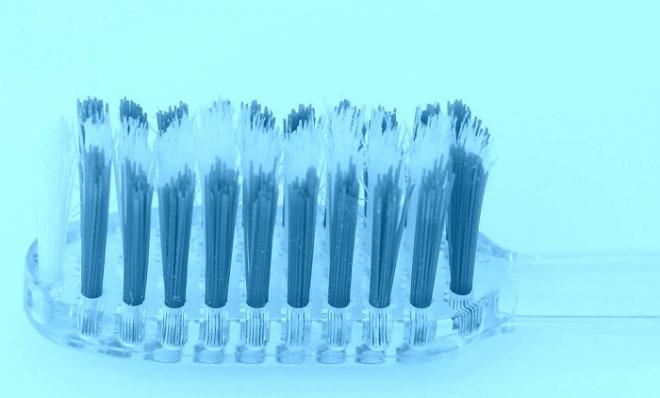
Toothbrushing plays an essential role in personal oral hygiene. However, if you’re brushing your teeth as often as you’re supposed to — twice a day, in the morning and right before bed — then the bristles on your toothbrush are becoming frayed and worn with each use faster than you realize. This isn’t a good thing since worn-out brushes won’t efficiently clean teeth and become less effective at fighting off decay.

“As your bristles start to fray, they are not actually getting in between your teeth. You may not be as efficient at brushing your teeth,” Dr. Jonathan Abenaim, dentist and clinical instructor at New York University, told Medical Daily. “There may be bacteria or a few particles left behind if you don’t have the right toothbrush.”

A frayed toothbrush can be an inconvenience, but the solution is simple: replace it. The American Dental Association recommends that consumers replace toothbrushes approximately every three to four months, or possibly sooner if you’ve been sick. It’s also important to note that you’re not just throwing away your toothbrush, but millions of bacteria.

One study from the University of Manchester in England found that the average toothbrush contains at least 10 million bacteria — including E. coli and Staph. When you think about it, this makes sense since at any given time there are about 100 to 200 oral bacteria species living in your mouth, most of which end up on a toothbrush after a single brushing. In fact, a new toothbrush can become contaminated with bacteria, viruses, and fungi (living in the mouth or from the external environment) after just 30 seconds of use. What’s more, these germs don’t just stay on the toothbrush, they can also be transmitted to other toothbrushes in the household, increasing the risk of infection with each use.

In other words, swapping out your toothbrush every three to four months is just as important as brushing twice a day and flossing when it comes to maintaining your oral health.


By: Jaleesa Baulkman
http://www.medicaldaily.com/how-often-should-you-change-your-toothbrush-bacteria-dental-care-385771

If you have questions or would like to schedule an appointment, please contact Omni Dental Group at one of our three office locations listed below:
North Austin on Hymeadow Drive: (512) 250-5012
Central Austin on Jollyville Road: (512) 346-8424
South Austin on William Cannon: (512) 445-5811

Wednesday, August 24, 2016

Tips For Oral Hygiene


A better, more confident you begins every morning and ends every evening if you stick with a consistent oral hygiene routine. This, in addition to regular dentist office visits, helps develop not only strong teeth and gums, but also overall good health. You'll feel good, look great, avoid unnecessary bills, and experience an improvement in many of your day-to-day social interactions. It's easy once you understand the basic routines required to maintain good dental hygiene. Get started with some basic dental education and a thorough awareness of the steps that should and should not be taken toward great, long-term oral health.

Oral hygiene benefits

Daily cleaning of your teeth, gums, and tongue, combined with annual check-ups helps ward off harmful bacteria and microbes that may cause tooth decay, bleeding gums, and oral infections. Proper oral hygiene is also important in helping you stay healthy, especially if you have risk factors such as diabetes and heart problems. Plus, oral hygiene elevates your sense of self-esteem. This is especially true for teenagers and adults who frequently interact with others at work or in social situations. Maintaining proper oral hygiene ensures that you won’t experience embarrassing conditions, such as plaque, tartar, and bad breath. It also lowers the need to treat dental problems that could otherwise be inexpensively prevented. For example, according to Kaiser Health News reports, dental costs make up approximately 20 percent of a child’s total health care expenses, and the costs are escalating rapidly.

Oral hygiene for kids

Enforcing good oral hygiene habits early in a child’s life is essential for his overall well-being. According to a 2007 Centers for Disease Control and Prevention (CDC), the number of cavities in children between the ages of two and five has escalated by 15 percent. Proper oral hygiene habits must start as early as the child begins to bottle feed. This is when babies are prone to tooth decay if they are given a bottle filled with sugary liquids, like milk or juice, when put to bed. While baby teeth should be cleaned using a washcloth, young babies should eventually have their teeth and tongues brushed using soft brushes. It is important for parents to teach children the proper way to brush their teeth with fluoride toothpaste, to take them for regular dental check-ups, and to serve foods that will help strengthen teeth. These include milk, cheese, and vegetables.

Oral hygiene for adults

Many adults experience significant dental problems that could be prevented through basic oral hygiene practices, like regular dentist appointments. For example, in 2009 alone, CDC data indicated that only 62 percent of adults surveyed had visited the dentist. To maintain optimal oral health, adults should brush their teeth at least twice a day, preferably after each meal and before going to bed. Flossing is also an essential part of an adult’s daily oral hygiene regimen. Regular brushing and flossing can prevent unpleasant conditions, such as plaque and bad odor. However, over-brushing or flossing may result in mouth bruises and bleeding, which can lead to infections. Adults should visit their dentist regularly for routine check-ups and before using over-the-counter medication.

Oral hygiene facts

Poor oral hygiene can increase your chances of developing heart disease. Professional teeth cleanings will reduce the bacteria that cause inflammation and eventually lead to heart disease (Veterans General Hospital in Taipei).
According to the American Dental Hygienists Association:
  • A major cause of tooth loss in children is cavities; while periodontal (gum) disease is the leading cause of tooth loss in adults.
  • Eating healthy snacks such as celery, carrots, or apples help clear away food loosely trapped in-between teeth.
  • The leading oral health problem for infants is baby bottle tooth decay, which can be caused when babies are given a bottle filled with sugary liquids, like milk or juice, when put to bed.

Oral hygiene statistics

According to the Centers for Disease Control and Prevention:
  • Roughly 78 percent of Americans have had at least one cavity by age 17.
  • 80 percent of the U.S. population has some form of periodontal (gum) disease.
  • In 2007, Americans made about 500 million visits to dentists and spent an estimated $98.6 billion on dental services.
  • Between 2005-2008, 16 percent of children ages 6-19 and 23 percent of adults 20-64 had untreated cavities.
  • Dental fluorosis (overexposure to fluoride) is higher in adolescents than in adults and highest among those aged 12–15.
  • Most adults show signs of periodontal or gingival diseases. Severe periodontal disease affects approximately 14 percent of adults aged 45-54.
  • 23 percent of 65-74 year olds have severe periodontal disease
  • Men are more likely than women to have more severe dental diseases.
  • Oral cancer occurs twice as frequently in men as women.
  • Three out of four patients don’t change their toothbrush as often as is recommended. Toothbrushes should be changed every two to three months and after illnesses.
Oral hygiene greatly affects overall long-term health, and promotes a more confident you. When it comes to dental care, prevention through daily cleaning and regular visits to the dentist’s office is better not only for your health, but for your budget. That's why it's important for parents to play a key role in reinforcing smart oral hygiene habits. Kids are likely to follow in the footsteps of those who set positive examples and will carry those healthy habits through their own adult lives. Remember, whatever your age, it’s never too late to take a serious stand in keeping your teeth healthy and your smile confident.

Source: Humana
https://www.humana.com/learning-center/health-and-wellbeing/healthy-living/tips-for-oral-hygiene
_________________________________________________________________________________
If you have questions or would like to schedule an appointment, please contact Omni Dental Group at one of our three office locations listed below:

North Austin on Hymeadow Drive:  (512) 250-5012
Central Austin on Jollyville Road:  (512) 346-8424
South Austin on William Cannon:  (512) 445-5811

Tuesday, July 29, 2014

Seal the Deal: Everything You Need To Know About Sealants

What are dental sealants?  

Dental sealants represent one of the greatest advances in modern dentistry. Unfortunately, too many children do not receive the protective benefits of dental sealants. Dental sealants are clear protective coatings that are easily applied; they cover the tooth surface, preventing bacteria and food particles from settling into the pits and fissures (grooves) of the teeth. It is a thin coat of plastic that is painted on the surface of teeth, usually the premolars and molars in order to prevent caries.

Decay on back teeth, premolars, and molars usually begins in the grooves and fissures that normally exist on the biting surfaces of the back teeth.  Dental sealants, available since the 1960s, are clear plastic coatings that can be placed on the biting and grinding surfaces of posterior teeth.  These sealants prevent the formation of decay on the treated surfaces.  Sealants can even be placed of teeth with small areas of decay known as incipient carious lesions.  The sealants will stop the customary progress of tooth destruction.  

Effectiveness
It can remain on the tooth from 3 to more than 20 years, depending on the tooth, type of sealant used, and the eating habits of the patient.  It can only be placed on teeth that have not been previously restored.
It is well known that the use of fluoride increases the resistance of enamel to decay. Unfortunately, the pits and fissures of the teeth do not benefit from the effects of fluoride as greatly as smooth enamel surfaces do. Scientific studies have proved that properly placed dental sealants are 100% effective in protecting development of cavities in sealed tooth surfaces. 

Why sealants are necessary
The narrow width and uneven depth of pits and fissures make them ideal places for the accumulation of food and acid-producing bacteria. Saliva, which helps to remove food particles from other areas of the mouth, cannot clean deep pits and fissures. Pits and fissures on the teeth are so tiny that even a single toothbrush bristle is too large to enter for cleaning purposes. Another difficulty associated with deep pits and fissures is that the enamel that lies at the base of the fissures is thinner than the enamel around the rest of the tooth. This means that not only can deep narrow fissures make it more likely that tooth decay will occur, but any decay that does form will penetrate through the thin enamel and progress more quickly into the pulp.

We, at this office, are dedicated to the prevention of oral disease.  It is clear that if the initial decay is prevented from beginning or is small enough to use a sealant, there is a great savings in time, money, discomfort, and tooth structure.  Decayed teeth must have the decay removed by drilling, then they must be filled.  This drill and fill may have to be done several times over the patient's lifetime as the filling ages and needs replacement.  We strongly suggest that patients who have teeth that can be successfully protected with a sealant material consider having this procedure performed as soon as possible.


How sealants work
The sealant acts as a physical barrier that prevents decay. Small food particles and plaque (bacteria) cannot penetrate through or around a sealant. As long as the sealant remains intact, the tooth is protected. However, if part of the sealant or bond is broken, the sealant protection is lost. 

A study completed in 1991 found that one application of sealant reduced biting surface decay 52% over a 15-year period.  Another study, completed in 1990, showed that decay on biting surfaces could be reduced 95% over 10 years if 2% to 4% of the sealants were routinely repaired each year.  We expect sealants to last many years. After a sealant is applied it can last up to ten years, however regular check-ups are recommended since they can chip or wear off. Replacing or repairing sealants, as needed, on an ongoing basis will give the best protection. 

A sealant is not meant as a substitute for proper brushing and flossing habits. The effectiveness of the sealant is reduced if oral self-care is neglected. Also, cavities can still form on untreated surfaces. Therefore, a topical fluoride treatment remains an essential and necessary preventative aid.

Application of sealants
The sealant is placed on the tooth through a chemical/mechanical bonding procedure.  There is not drilling or local anesthesia required for the sealant application procedure.  It is entirely painless.

Problems with sealants
On occasion, teeth with very small initial carious lesions may be inadvertently sealed, or some bacteria may remain beneath the sealant. It was one believed that if this were to occur, decay would develop under the sealant. However, numerous studies have shown that this does not occur. Bacteria cannot survive beneath a properly placed sealant because the carbohydrates that they need to survive cannot reach them. Studies have shown that the number of bacteria in small, existing carious lesions that had been sealed actually decreased dramatically over time. The most important factor is that the sealant must be properly placed.

When sealants are used
Sealants are used primarily on children, but in certain circumstances, adults also can benefit from their use. Children and teenagers are the best candidates for sealants. Children are prone to caries from age 6-14 and applying a sealant as soon as a child’s permanent molars and premolars erupt can be a great way to protect your child from tooth decay. Some maxillary central and lateral incisors may have deep pits that could be protected by sealants. Sealants are indicated for teeth with deep pits and fissures, preferably in recently erupted teeth (i.e., within previous 4 years). Sealants should be used as part of a prevention program that includes the use of fluorides, dietary considerations, plaque control, and regular dental examinations.

We especially advise that children have the sealant applied to their teeth as soon as the teeth break through the gum and the biting surfaces of the teeth are no longer covered with gum tissue.  If the teeth cannot be totally isolated from the moisture in the mouth during the bonding process, it is likely that the sealant will not remain on the tooth for as long a period of time as expected.  The sealant is most often applied to permanent teeth, but sometimes a situation arises in which it would be beneficial to have the sealant applied to a primary tooth.

In both 1984 and 1994, sealants have been recommended by the U.S. Public Health Services and Surgeon General of the United States, among others. We know that sealants are one of the most important treatments available for prevention of dental decay.

If you have any questions about sealants, please feel free to ask us.