Showing posts with label brushing. Show all posts

Wednesday, February 15, 2017

Xerostomia: Dry Mouth Syndrome


Xerostomia (dry mouth) is not a condition everyone should expect. You may notice it as you age due to a change in hormones, medication, and/or radiation therapy in the head and neck region.

Why Xerostomia Is a Problem
Saliva is important to oral health for several reasons. The flow of saliva helps clear debris from the oral cavity. It provides minerals necessary to support the process of remineralization. Tooth enamel daily undergoes acid attack that removes inorganic minerals from teeth. This is called demineralization. Remineralization is the opposite of demineralization. It occurs when inorganic molecules flow into a region of weakened enamel and make it stronger.

When the salivary flow is reduced, a chain of events occurs. The natural cleansing action is diminished, as are the buffering action and remineralization properties of saliva. People with diminished salivary flow experience a very fast rate of decay, many times faster and over several teeth. This type of dental decay is typically noted along the gumline, around existing dental work, and on exposed root surfaces.

Prevention
You can help prevent dental decay that can result from xerostomia:
  • Brushing and flossing correctly twice a day becomes very important.
  • Frequent sips of water during the day can help moisten the mouth and can help clear debris.
  • Daily use of a mouthrinse containing fluoride can help remineralize teeth.
  • Use a toothpaste containing sodium fluoride.
  • We recommend a daily brushing with a prescription, high-concentration sodium fluoride gel or paste. We will either dispense this or give you a prescription for it.
  • Chew sugarless gum or a rubber band to stimulate salivary flow.
  •  In moderate to severe cases, special fluoride delivery trays can be made for you to use at home. These will keep the high-concentration fluoride in a position to “soak” your teeth with fluoride for several minutes at a time.
  • We recommend that you have your teeth cleaned, polished, and an office-applied topical fluoride treatment every 3 months while the condition persists.

Dry mouth can have serious dental consequences and must be treated accordingly.
If you have any questions about xerostomia, please feel free to contact us at any of our three office locations:
Hymeadow: (512) 250-5012
Jollyville: (512) 346-8424
West William Cannon: (512) 445-5721

Monday, December 5, 2016

6 Of The Most Common Dental Problems, Fixed!

Smile! There’s good news from the world of dentistry: Older American are keeping their teeth longer than ever before and the average number of teeth people retain into old age is increasing, says Judith Ann Jones, DDS, a spokesman on elder care for the American Dental Association and director of The Center for Clinical Research at the Boston University Goldman School of Dental Medicine.
But Jones is not all smiles. As people keep their teeth longer, there are more problems that are likely to arise, which is why keeping up with regular dental visits is so important. Here are the most common problems, and what you can do about them:

Tooth Decay

Yes, people over 50 can get cavities. You can get them on the surfaces of teeth that have never been a problem before, but you can also get them around old fillings or at the root of your tooth. “As you age, the root of your tooth becomes softer and sometimes more exposed,” Jones explains.
The Fix: Fluoride is not just for kids, Jones says. “Fluoride is one of the 10 most important health measures developed in the 20th century.” Almost 80 percent of people in the United States have fluorinated water, but if you don’t, you should probably add a daily fluoride rinse to your brushing habit. Or ask your doctor about a stronger fluoride prescription gel. If you are starting to get cavities, even if your water has fluoride, consider a fluoride rinse. Ask your dentist if that’s right for you.

Dry Mouth

Saliva protects us against tooth decay. But if you’re not producing it, your teeth may be at risk. The calcium and phosphate present in saliva prevent demineralization of your teeth, Jones says. How do you know if you have dry mouth? You’ll have a sticky feeling in your mouth, trouble swallowing, dry throat, and dry, cracked lips. You may notice a metallic taste in your mouth or persistent bad breath. You may or may not feel thirsty. Dry mouth is often caused by medications, and as people age, they take more medications. It can also result from smoking or from a blow to the head that somehow damages the salivary glands.
The Fix: If you have dry mouth, you should try to stimulate saliva production. Jones says some people just sip water all day while others find that chewing sugar-free xylitol candies or gum helps. Your dentist may prescribe a prescription saliva substitute or recommend over-the-counter formulations for you to try.

Gum Disease

If your gums are swollen, red, or bleed easily, you’ve got gingivitis, an early form of gum disease that can progress and be dangerous. Untreated gingivitis often becomes periodontitis, which is when the gum pulls away from the tooth and creates pockets which can become infected. If this condition develops and continues unchecked, it could cause the loss of bones in your jaw and eventually, the loss of the teeth themselves.
The Fix: The best fix for this condition is regular dentist visits, Jones says. You may need to visit your dentist more frequently so that your teeth can be cleaned and your gums treated for the condition. People who don’t have good access to dental care are more likely to have gum disease, Jones says.

Oral Cancer

More than 43,000 Americans will be diagnosed with oral cancers this year, and more than 8,000 will die from it, according to The Oral Cancer Foundation. Oral cancer incidence definitely increases as you get older, Jones says, and is very often linked to smoking and heavy alcohol use. Recently, the number of cases has risen because doctors have discovered that the Human Papilloma Virus also can cause oral cancer.
The Fix: Only about half of people who develop oral cancer survive the disease, Jones says. The best hope for survival is to discover it at its earliest stages—in which case there is an 80 percent chance of surviving for five years. Your dental exam should include a check for oral cancer. Your dentist will hold your tongue and check the soft tissue in your mouth as well as your throat and jaw. If he or she does not, find another dentist, Jones says.

Tooth Crowding

Are you noticing that food is getting stuck in new places in your mouth? Or that the overlapping tooth that was cute in your teens now seems to be overlapping even more? You’re not imagining it. As you age, your teeth shift, according to Lee W. Graber, D.D.S., M.S., M.S., Ph.D., Past President of the American Association of Orthodontists. And that can be problematic, not because you’ll look different, but because it can make your teeth more difficult to clean, leading to more decay. It’s also of concern because misaligned teeth can lead to teeth erosion and damage to the supporting tissue and bone, Graber says. Add to that the tendency of older adults to have periodontal disease, and you could end up losing your teeth even faster.
The Fix: If your teeth have really shifted, you could see an orthodontist, who may fit you with a retainer, spacer, or even braces. This may not be necessary, but you should discuss with your dentist whether your teeth are shifting at your regular check up. If they are, it may mean only that you need to go to the dentist more regularly for more frequent cleanings.

Grinding and Clenching

This is not a habit that begins late in life, but it’s one whose effects might be most pronounced as you age. If you tend to grind your teeth or to clench them in your sleep, you may grind through the enamel to the dentin, which can cause pain and decay. Also, if you have crowns or bridges in your mouth, they may be damaged by such habits.
The Fix: Your dentist can give you a night guard, a small mouth piece that will protect your teeth while you sleep—and protect your investment in the dentistry that’s already there, Jones says.

By: Andrea  Atkins, The Huffington Post
http://www.huffingtonpost.com/entry/6-of-the-most-common-dental-problems-fixed_us_58346501e4b099512f84b510

If you have questions or would like to schedule an appointment, please contact Omni Dental Group at one of our three office locations listed below:

North Austin on Hymeadow Drive: (512) 250-5012
Central Austin on Jollyville Road: (512) 346-8424
South Austin on William Cannon: (512) 445-5811

Wednesday, November 23, 2016

Does Dental Sealant Protection Outweigh Potential Risks?

                    
Brushing your teeth is important, but dental sealants may be the best way to prevent kids from getting cavities.
A recent report from the Centers for Disease Control and Prevention (CDC) has touted the benefits of the relatively simple and inexpensive procedure in children.
Dental sealants are a thin coating that is painted on teeth to protect them from cavities.
This painless procedure can be $30 to $60 per tooth, although some insurance or discount plans can reduce that cost.
“Considering that less than half of children have them, I’d say [the trend of dental sealants] it still is gaining traction,” Ashley Grill, a New York-based dental hygienist, told Healthline. “Dental sealants are safe and effective, and they’ve been safe and effective for over 40 years.”

What the research shows

The CDC report states that dental sealants prevent 80 percent of cavities for two years after application.
They also continue to protect against 50 percent of cavities for up to four years.
The sealants can be retained in the mouth for up to nine years, according to the CDC.
About 43 percent of 6- to 11-year-old children have a dental sealant. Children from low income households were 20 percent less likely to have sealants than children from higher income households.
School-age children without sealants have almost three times more cavities than children with sealants.
Applying sealants in school-based programs to the nearly 7 million children from low income households who don’t have them could save up to $300 million in dental treatment costs, the CDC reported.
Dr. Valerie Barba, a dentist in New Jersey, told Healthline that sealants are the “most conservative” noninvasive treatment in dentistry.
The sealants need to be monitored and maintained during regular care visits to ensure they do not wear away.
They are technically sensitive to where they are placed, so practitioners who do not apply them correctly may not have the best success rates.

The skinny on sealants

Grill noted that children can report lost school time due to tooth decay, as it can interfere with sleep, eating, and other regular activities.
In addition to preventing cavities, sealants can ensure the teeth stay intact.
“Once a tooth is drilled and filled, restored, or extracted, the natural structure is compromised. There is a lifetime cost associated with maintaining the restored tooth or implant,” she noted.
There are some disadvantages or potential problems with sealants, Grill said. They may need to be reapplied if they fall out, chip, or wear away. In replacement, excess material may need to be drilled down or removed with a scaler.
“I understand the environmental exposure concern about synthetic estrogens such as bisphenol A (BPA),” Grill said.

I’ve never observed an adverse reaction to dental sealants, and none have been reported in the literature.

Ashley Grill, dental hygienist
Salivary BPA levels from exposure to BPA peak three hours after a procedure and return to baseline within 24 hours, she said. Grill added that blood serum levels of BPA have not been detected in clinical studies, but more research is needed.
“I’ve never observed an adverse reaction to dental sealants, and none have been reported in the literature,” said Grill, who applies sealants. “People tolerate dental sealants well.”
If parents are concerned about BPA more than the risks of tooth decay, they should note that treating tooth decay can involve a wealth of dental materials that have more chemicals than BPA. Alternative sealant materials exist, though Grill is not sure if they work better than those containing BPA.
Another issue with sealants is that a person’s bite can feel abnormal after application due to the extra layer on the tooth, Dr. J. Kolby Robinson, a board certified pediatric dentist from Oregon, told Healthline. Some of that wears away over time.
“The main problem with dental sealants is lack of awareness,” Grill added.
Most children don’t benefit from prevention because of overregulation and restrictions at all levels on preventive dental care, Grill said.
Some are insurance barriers, such as only covering certain teeth for sealants. There are also rules imposed by state boards that only allow hygienists working with dentists to place sealants, or requiring a dental examination with a dentist before prevention is allowed.
 

Long-term benefits

If the application technique is perfect, dental sealants can last a lifetime. More often than not, though, they do need to be replaced, Grill said.
“As soon as your child is getting new teeth in with grooves called ‘pits and fissures’ like molars and premolars, get them sealed once they are erupted,” she said. This happens at 6, 12, and 18 years of age.
Baby or primary teeth can be sealed, but the child should be old enough to tolerate the painless procedure, which involves being able to hold their mouth open and not move for a few minutes. Usually, treating younger teeth is performed only on those with an increased risk of tooth decay.
“I recommend getting individual advice on when to seal from your dental team. You can seal any vulnerable surfaces, but retention is best in the pits and fissures,” she said.
Adults can also benefit from sealants.
“All people, no matter age can benefit [from sealants], even adults,” Barba said.
With age, our exposure to decay increases, and the protective quality and biochemistry of saliva changes with certain medications over time. That said, adults are also candidates for this treatment.
But if you already have a restoration or implant, then that tooth will not benefit from a sealant, Grill noted.
“Sealants have proven to be safe and effective,” Robinson said. “The benefits outweigh the risks.”


 By:Kristine Fischer, HealthLine
http://www.healthline.com/health-news/does-dental-sealant-protection-outweigh-risks#1

If you have questions or would like to schedule an appointment, please contact Omni Dental Group at one of our three office locations listed below:

North Austin on Hymeadow Drive: (512) 250-5012
Central Austin on Jollyville Road: (512) 346-8424
South Austin on William Cannon: (512) 445-5811

Friday, November 18, 2016

8 tips to overcoming anxiety about going to the dentist

Dentists are around to take care of your teeth. Although you might take your teeth for granted, they’re pretty important. You use them when you speak, smile and when you eat. It’s safe to say these are all pretty pleasant activities.
But for some reason many people still dislike going to the dentist and even fear it. According to Harvard Health Publications, between 13% and 24% of people all over the world are afraid to go.
Some people feel anxiety because of a bad experience they had in the past or because they start to anticipate discomfort and fear that everything could go wrong. However, modern medicine has advanced incredibly. Even the most dreaded procedures (we’re talking to you, root canals), have been tamed, so there’s really no rational reason to fear going.To keep your gums and teeth healthy, follow these 8 tips to overcome the anxiety of going to the dentist.
To keep your gums and teeth healthy, follow these 8 tips to overcome the anxiety of going to the dentist.
1. Be honest with your dentist
The first step to building trust, reducing your anxiety and improving the overall experience is to simply be honest. Tell your dentist and the staff how you feel and your concerns. They aren’t scary monsters — they’re humans, and probably have fears of their own. They’ll do the best they can to make you feel more comfortable.
2. Don’t be afraid to ask questions
Often, fear stems from the unknown. You may start to try and fill in the foggy future by creating narratives about what might happen. Usually, your mind spirals into worst-case scenarios, even if they are actually very unlikely to happen in real life.
Instead of letting your mind wander into the dark cavities of the dental world, ask your dental assistant and dentist to walk you through what they’ll do during the procedure before you even go in. Once you’re there, ask them to explain what they’re doing as they work, too.
You might even be surprised just how much you’ll learn and how happy your dentist is to tell you what all their equipment is for. Pretty soon the procedure will seem routine, maybe even a bit repetitive, and less like your worst nightmare.
3. Go slow
Sometimes people get caught up in the people pleasing side of dentistry. Your mouth is open for most of the time, it’s difficult to speak and someone else is standing over you instructing you how to adjust your face.
It certainly can feel awkward, and you might try to just get in and get out without making waves. However, it’s actually okay to interrupt your dentist or dental assistant. Don’t forget that you’re the patient, and they want to make sure everything goes smoothly, too.
If you need to slow things down, ask a question, spit, take a break, or anything else, speak up. Sometimes people don’t feel in control when they’re in the dental chair, but it doesn’t have to be that way.
4. Try deep breathing exercises
Being able to calm yourself and get back to an emotional middle-ground is essential for any type of stress. Practice slow, deep breathing exercises before you go to the dentist and when you get there to try and maintain your equilibrium. This will also help you stay grounded in the present.
You can also practice breathing exercises when you’re with your dentist. Focusing on your breath will also draw your attention to something other than what’s going on in your mouth.
5. Bring something soothing
Sometimes focusing on your breath can be a little difficult, so you might want to take along something else that you find soothing. Bring your own music to listen to while you’re waiting or take along something to fidget with like silly putty or a hair band. You can play with it while you’re getting your teeth cleaned to distract your mind.
6. Bring backup
Having a friend or family member with you – someone you can trust – is also beneficial. Just knowing someone is there to support you can bring some relief.
7. Ask your dentist for sedatives
If you really feel unable to handle your anxiety, ask your dentist to use sedatives. They may be able to use nitrous oxide (laughing gas) or local anesthetics. Actually, there are quite a few options to choose from.
Although not ideal, using these sedatives to cope with your fear is better than not ever going to the dentist at all.
8. Go to counseling
For some people, none of these tips are enough to get over their fear. If you’ve become so petrified of going to the dentist it prevents you from getting the treatment you need to stay healthy, you may have a phobia.
There’s a difference between being afraid of something and phobias, which interfere with your daily life and go far beyond anxiety. If you really can’t go to the dentist because of a phobia, it may be a good idea to seek counseling to try and master it.
Dentists don’t want to inspire fear; they want to help. If you let them, they can work with you to make sure those pearly whites are healthy for years to come. So, what are you waiting for?

By: Benjamin Grenne, NewsOk
http://newsok.com/article/5527372


North Austin on Hymeadow Drive: (512) 250-5012
Central Austin on Jollyville Road: (512) 346-8424
South Austin on William Cannon: (512) 445-5811

Friday, October 14, 2016

5 Dental Health Tips On How To Protect Your Teeth From The Cold

It is a fact that the healthy teeth are the factor with the greatest influence on anyone’s confidence. This is why we pay so much attention to our teeth. As we are slowly entering autumn the weather is gradually changing for the worse. Also, the temperature is dropping slowly and in couple of months it is going to be freezing outside.
Did you know that cold weather may leave you prone to some of the dental problems?
Some of us have sensitive teeth which certainly becomes annoying during winter season. This is the time of the year when sudden change in temperature is pretty common. It can cause either sharp, unsettling pain or mild discomfort in your teeth.
Here are some dental health tips that could help you protect your teeth from cold.

Visit the Expert

If you haven’t checked your teeth recently, you might consider visiting an expert. This type of dental medical center offers all kinds of services to their patients, kind of like a Perfect Smile Spa. Your teeth may be simply sensitive to cold weather because they are cracked or have enamel which is either weakened or thin. Other reasons for cold weather sensitivity may be gum recession, brushing too hard, infection, gingivitis and clenching or grinding teeth.
A professional at perfect smile spa will be able to determine what course of action will have the best result for your teeth, after they have previously examined you. This is the only way to ensure that you have strong and healthy teeth. After you have taken care of this, you can try the following tips on how to reduce your teeth’s cold sensitivity.

Practice Proper Oral Hygiene

Cold tooth sensitivity can be fixed at home fairly easily. You just have to step up your oral hygiene game. Make sure to brush your teeth after meals and don’t forget to floss. If you are still experiencing pain after rapid temperature changes, you might want to try changing your toothpaste.
For instance, potassium based desensitizing toothpaste is a great way to help reduce the sensitivity in your teeth. If you know that you have this problem you should use this toothpaste at least a month before the temperature drops, because it takes time for it to work. It depolarizes areas of exposed dentin or root, which is why it takes time to reach full effect, but when it does, trust me, you can say goodbye to cold sensitivity.
Another great choice is calcium based desensitizing toothpaste. It provides immediate relief by plugging open pores encasing the tooth calcium. It mimics the body’s natural ways of remineralization, thus protecting the sensitive nerve endings in your teeth. Also, make sure that you are using a toothbrush with soft bristles.

Maintain your Water Intake

Staying hydrated during winter is as important as it is during the hot summer months. Don’t forget this! The experts recommend at least 2 liters of water per day. This will not only keep your brain and body healthy but also your teeth. Proper water intake will ensure that your gums and teeth are moist. Also, by drinking enough water, you will produce more saliva. This is important, especially during cold months since it is known that saliva is more prone to drying up in cold weather. Without enough saliva, bacteria build up exponentially in our mouth.
Try to avoid sugary beverages as they are not a good way to stay hydrated and sugar helps bacteria reproduce. Stick to water, and of course your favorite tea. Furthermore, if your teeth are sensitive to cold you should avoid consuming acidic foods as this can also contribute to or aggravate their sensitivity.

Limit Time Spent Outdoor

If it is freezing outside and you know that your teeth are sensitive to cold, you have to limit your time spent outdoors. The ability to see your own breath is a sign that you should be heading to a cozy warm room as soon as you can.
Like any other material, the material our teeth are made of expands and contracts when temperature rises or drops. This is why sudden changes of temperature can cause small surface hairline fractures on our teeth. These lead to teeth that are hyper sensitive to temperature change.
In case you have to go outside to do your errand make sure to wear some sort of scarf, so that it can trap warmth around your mouth.

Adjust your Diet

Your diet has everything to do with your dental health, as it has to do with your overall health. I have already mentioned that you should avoid acidic foods, but let’s dive into some more specifics.
It is not only important to look after what you eat, but also when you eat it. Getting onto a healthy diet will help you straighten your defenses against cold weather. Before you decide to go onto any dieting regime, make sure to consult a physician. Keep his advice in mind when you are choosing your foods.
In general, you can pick meals and snacks from the following food groups: vegetables, fruits, whole grains, lean beef, skinless poultry and fish, dry beans and peas, fat-free or low-fat dairy products.
It is of great importance that you limit the number of snacks. This is because having snacks can be far more dangerous for your teeth than regular meals. You may wonder why? Well, because there is more saliva during regular meals, and it successfully washes away foods from the mouth and reduces the effects of the acids.
While enjoying snacks, there is far less saliva. The acidic environment in your mouth can harm your teeth and cause cavities.
I really hope these tips will help you protect your teeth from the cold. Expanding your knowledge on this topic through some additional online research is a great way for covering all of your bases. In the end, remember this little gem of wisdom: “Dentistry is not expensive, neglect is.”

By: Rhais Saifi, Huffigton Post
http://www.huffingtonpost.com/rahis-saifi/5-dental-health-tips-on-h_b_12457368.html
 
If you have questions or would like to schedule an appointment, please contact Omni Dental Group at one of our three office locations listed below:

North Austin on Hymeadow Drive: (512) 250-5012
Central Austin on Jollyville Road: (512) 346-8424
South Austin on William Cannon: (512) 445-5811

Monday, September 26, 2016

Will dentist help you to grow new teeth?


If you don’t like going to the dentist, you’re not alone. Most people have some anxiety about visiting the dentist, with one study in the Netherlands indicating that 24% of adults feared the dentist. Moreover, significant amounts of people who fear the dentist avoid visiting until they really need to. That could help explain why 92% of American adults have tooth decay in their permanent teeth.
But there is good news on the horizon as well—recent research also suggests that we might soon be able to refill the holes in our teeth with healthy, living tissue, giving our permanent teeth a second chance.
Compared to other species, you may think we humans are extraordinarily unlucky to have to depend on the same set of adult teeth for the majority of our life. Shark enthusiasts are familiar with the fact that sharks have unlimited sets of teeth during their lifetimes. Galeophobes in particular might be terrified to learn that sharks have rows of baby teeth underneath the skin waiting to replace the functional ones, and shed and replace teeth as often as every three weeks, causing experts to believe that the sea floor is littered with the teeth of sharks.
So if sharks, and most reptiles and amphibians can replace their teeth over a lifetime, why do humans and most mammals only get two sets of teeth?
Abigail Tucker, a professor of development and evolution at King’s College London says that there is a trade-off between the complexity of the teeth and the amount of sets the species gets. Since mammals have the ability to chew, meaning they can grind their teeth sideways (think of the movement a cow or horse makes) we have developed complex sets of teeth with multiple cusps, the bumps and mounds that define the shape of our teeth. While our pointy canine teeth (cuspids) each have only one cusp, our premolars (bicuspids) each have two cusps and our molars each have four or five cusps.
“The complexity is linked to diet, with bamboo eaters having the most complex teeth,” she says. “Something like a giant panda or a bamboo eating lemur have complex back teeth with lots of cusps so they can really chew and grind the hard tissue. So their teeth look similar even though they’re completely unrelated to [other] mammals.”
There are other fascinating examples of animals with unique dental abilities. Piranhas have teeth that are fused together to make large teeth that resemble a type of sharp knife. When they shed teeth, they lose an entire quadrant all at once, and rely on the other three quadrants to survive while the new teeth come in.
While mammals are typically restricted to two sets of teeth – a set of deciduous teeth and a set of permanent teeth – some mammals have retained the ability to create more teeth or have evolved to have the ability again. Manatees for example keep forming new teeth in the back their mouths over the course of their entire lives.
Other animals only get one set of teeth, but they continuously grow, including the aye aye lemur and rodents like rats and mice. “Rodents and rabbits typically have a stem cell population at the base of the tooth that keeps growing dentin and enamel. It’s an adaptation to the hard foods that they’re eating,” says Tucker.
Other approaches use the cells that are in our teeth to heal cavities that have already penetrated  the enamel, by stimulating the creation of dentin, the calcified tissue that makes up the inner portion of our teeth. Recent research published in the journal Science Translational Medicine for example, found that treating exposed tooth pulp in rats with low-power laser light before filling the cavity could induce stem cells to create dentin in the tooth.
In another approach, researchers from the University of Nottingham and Harvard University are developing a therapeutic biomaterial that can work to heal a cavity, and intervene before a root canal is necessary. The material can stimulate a particular type of stem cells in the pulp tissue to interact with other material that forms a new kind of dentin-producing cell.
“This material can be injected in contact with pulp tissue and hardened with UV light to form a plastic,” says Adam Celiz, a postdoctoral fellow that is working on its development. “The native cells interact with the plastic and differentiate into a different kind of cell that produces dentin. So we’re hoping to restore that dentin layer to return vitality to the tooth, which means the pulp tissue wouldn’t have to be removed by a root canal.”
Prevention is key
Of course, dentists will tell you that preventing cavities from forming in the first place is the key to your dental longevity, starting with good oral hygiene—brushing twice a day with fluoridated toothpaste, flossing once a day and making regular trips to the dentist – and eating the right kind of foods.
“The most important food and thing for us to keep in mind in terms of prevention is water – especially fluoridated water,” says Sahota. “Not only does the fluoride help mineralise and regenerate tooth structures that may have become infected by a cavity, the physical motion of drinking water helps to flush away food, bacteria and any debris that may be stuck in your teeth as well.” She adds that dairy is also great because it’s high in calcium and that lean protein helps strengthen and rebuild enamel.
Even if we can rebuild this material in our mouths, we still have to fend off a modern menace in our industrialised diets – refined sugar.  That’s because bacteria secrete acid when it breaks sugar down, and that acid can cause decay in our teeth.
So what type of candy is best avoided? Sahota says hard candies like lollipops are especially bad since they give you a constant exposure to sugar, while sticky candies get stuck in your teeth for long periods of time.
At least she has good news for the chocoholics among us. “Chocolate after lunch or dinner is a better choice than a lot of other candy because it can get flushed out more easily. So go ahead and enjoy a bite after your meal."


By: Tifannie Wen
http://www.bbc.com/future/story/20160922-will-dentists-help-you-to-grow-new-teeth

If you have questions or would like to schedule an appointment, please contact Omni Dental Group at one of our three office locations listed below:

North Austin on Hymeadow Drive: (512) 250-5012
Central Austin on Jollyville Road: (512) 346-8424
South Austin on William Cannon: (512) 445-5811

Monday, September 19, 2016

How often should you brush your teeth? Oral hygiene 'dos and don'ts' explained by expert


Are we brushing our teeth frequently and for long enough? The British Dental Association has outlined the routine we should all get in to.

It's a habit which has been drummed into us from an early age, but the recent news flossing your teeth could be a waste of time has put the spotlight on oral hygiene.
When it comes to looking after our teeth, there are certain pieces of wisdom which we've incorporated into our routines.
But in the wake of the news about flossing, when it comes to oral hygiene, how much does your average person know about what we should be doing - and which habits do we need to ditch?
For example, how many of us know how long we SHOULD brush or teeth for and how often? And what are we doing wrong?
MirrorOnline spoke to the British Dental Association’s scientific adviser, Professor Damien Walmsley, who kindly put together this definitive list of "dos and don'ts."

How often?

"The best way to prevent tooth decay is to brush teeth twice daily with a fluoride toothpaste to remove plaque, limit the frequency, and amount of sugary food and drinks consumed in your diet, and see the dentist regularly.


Don'ts'

  • Brush for long enough – research indicates that people only brush for 45 seconds
  • Rinse the mouth after brushing – fluoride helps to prevent, control and even stop tooth decay – but rinsing the mouth out dilutes the concentration of fluoride, so SPIT, don’t rinse.
  • Brush too soon after eating – as enamel on teeth is softened after eating especially with sugary foods – it’s best to wait an hour before brushing which allows the tooth to harden up more.
  • Use a hard bristle toothbrush as this can damage the soft tissues in the gums.
  • Don't brush too hard – the bristles should lightly sweep the tooth.


'Dos'

  • Brush for at least two minutes, twice daily, with a fluoridated toothpaste
  • Brush last thing at night and at least on one other occasion
  • Use a small headed toothbrush with medium bristles.
  • Put a pea-sized blob of fluoride toothpaste on your toothbrush.
  • Brush along the gum line as well as the teeth themselves
  • Brush all surfaces of the teeth, including the outer, inner and chewing surfaces as well as the hard-to-reach back teeth and areas around fillings, crowns or other restorations.

If you have spaces between teeth, it is best to clean these with an interdental or single-tufted brush. Where the spaces between teeth are too tight to fit such a brush, use dental floss or tape
If you are unsure about the effectiveness of brushing, use disclosing tablets after brushing to highlight any areas you may have missed.
There is good evidence that a small-headed counter oscillating electric toothbrush helps in removing dental plaque but they must be used correctly and your dentist or hygienist will advise.

Plaque

Plaque is a sticky film of bacteria that covers your teeth and gums. It develops constantly and you clean it off every day when you brush your teeth. Certain harmful oral bacteria feed on the sugars you eat to create acids that destroy the tooth enamel.
Cavities are a bacterial infection created by acids, that cause your teeth to experience a hole in them.
The more sugar you eat, the more acid you will create in your mouth, and the more acidic attacks your teeth are exposed to, the higher the risk of developing tooth decay.

By: Zahra Mulroy, Mirror
http://www.mirror.co.uk/lifestyle/health/how-often-should-you-brush-8637066

If you have questions or would like to schedule an appointment, please contact Omni Dental Group at one of our three office locations listed below:

North Austin on Hymeadow Drive: (512) 250-5012
Central Austin on Jollyville Road: (512) 346-8424
South Austin on William Cannon: (512) 445-5811

Wednesday, September 7, 2016

How Often Should You Change Your Toothbrush?


Every time we pass them along our teeth, we trust that our toothbrushes are handling business and getting rid of disease-causing plaque, which is full of bacteria. But if you're using an old toothbrush you’re not doing your mouth any favors. You see, while many of us know how important it is to take care of our teeth, we aren’t as diligent when it comes to taking care of our toothbrushes.

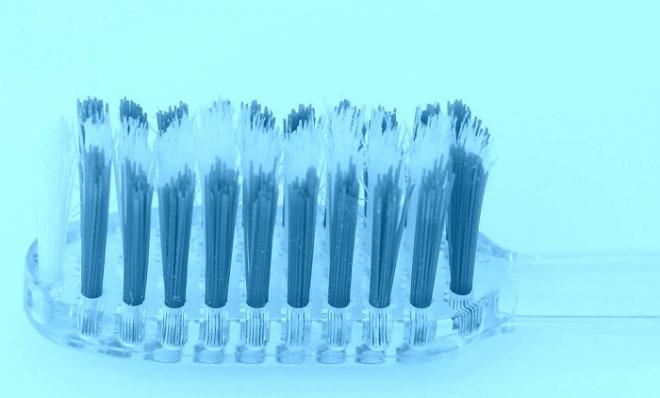
Toothbrushing plays an essential role in personal oral hygiene. However, if you’re brushing your teeth as often as you’re supposed to — twice a day, in the morning and right before bed — then the bristles on your toothbrush are becoming frayed and worn with each use faster than you realize. This isn’t a good thing since worn-out brushes won’t efficiently clean teeth and become less effective at fighting off decay.

“As your bristles start to fray, they are not actually getting in between your teeth. You may not be as efficient at brushing your teeth,” Dr. Jonathan Abenaim, dentist and clinical instructor at New York University, told Medical Daily. “There may be bacteria or a few particles left behind if you don’t have the right toothbrush.”

A frayed toothbrush can be an inconvenience, but the solution is simple: replace it. The American Dental Association recommends that consumers replace toothbrushes approximately every three to four months, or possibly sooner if you’ve been sick. It’s also important to note that you’re not just throwing away your toothbrush, but millions of bacteria.

One study from the University of Manchester in England found that the average toothbrush contains at least 10 million bacteria — including E. coli and Staph. When you think about it, this makes sense since at any given time there are about 100 to 200 oral bacteria species living in your mouth, most of which end up on a toothbrush after a single brushing. In fact, a new toothbrush can become contaminated with bacteria, viruses, and fungi (living in the mouth or from the external environment) after just 30 seconds of use. What’s more, these germs don’t just stay on the toothbrush, they can also be transmitted to other toothbrushes in the household, increasing the risk of infection with each use.

In other words, swapping out your toothbrush every three to four months is just as important as brushing twice a day and flossing when it comes to maintaining your oral health.


By: Jaleesa Baulkman
http://www.medicaldaily.com/how-often-should-you-change-your-toothbrush-bacteria-dental-care-385771

If you have questions or would like to schedule an appointment, please contact Omni Dental Group at one of our three office locations listed below:
North Austin on Hymeadow Drive: (512) 250-5012
Central Austin on Jollyville Road: (512) 346-8424
South Austin on William Cannon: (512) 445-5811
Monday, August 29, 2016

Why You Need To Visit A Dentist Now?


I don’t have any reason to visit a dentist, my teeth are perfect and healthy!

That is what everyone says when being asked to visit a dentist. But really, it is not until you start having serious pains in your teeth before you consider visiting a dentist.
Here are four reasons why you should consider visiting a dental care clinic now:

#1. Correction of Wrong Dentition
Most of us grew up with having more than enough teeth in the mouth and we see it as a normal thing even though they overlap each other.
A dentist will help find corrective measures in helping your teeth have the best dentition you never thought you could have.

#2. Mouth Cleaning and Cleansing
Most people have tartar (an incrustation that forms on the teeth and gum) formed underneath their teeth and close to the gums.
These harbor lots of microorganisms that later affect the oral health. A dentist would notice the tartar and carry out what is called scaling and polishing to remove every traces of the tartar before it gets to its worse stage.

A dentist will help you to remove food remnants that hides between the teeth. Food remnants that hide in the teeth include remnants of meat, fish, vegetables and they keep decaying in between the tooth.
You don’t have to wait till it decays and destroy your oral health, visit a dentist who will help you floss the teeth with a waxy thread.

#3. Prevention and Control of Oral Diseases
A dentist takes note of everything that might lead to a chronic disease and takes care of before it gets out of the primary stage.
It is advisable to visit a dentist at least once in every three months. Being busy is not an excuse anymore, so just make time within that three months to see a dentist.

#4. Placing fillings or administering anesthetics
Dental fillings or restoration are used to fill in the cavities caused by tooth decay. Instead of removing the tooth after suffering a tooth decay, your dentist will help check what the possible solution to it might be so you get relieved of the pain as soon as possible.
It is either placed with fillings if the tooth is not decayed to a bad extent and might be extracted if the condition of the tooth is bad.

Is that all a dentist can do? Of course not.
A dentist can also help in diagnosing oral diseases, creating treatment plans to maintain or restore the oral health of patients, interpreting x-rays and diagnostic health, monitoring growth and development of the teeth and jaws.

Source: The Huffington Post
http://www.huffingtonpost.com/adeyemi-adetilewa/dental-care-why-you-need-_b_11707700.html
_________________________________________________________________________________
If you have questions or would like to schedule an appointment, please contact Omni Dental Group at one of our three office locations listed below:

North Austin on Hymeadow Drive:  (512) 250-5012
Central Austin on Jollyville Road:  (512) 346-8424
South Austin on William Cannon:  (512) 445-5811

Wednesday, August 24, 2016

Tips For Oral Hygiene


A better, more confident you begins every morning and ends every evening if you stick with a consistent oral hygiene routine. This, in addition to regular dentist office visits, helps develop not only strong teeth and gums, but also overall good health. You'll feel good, look great, avoid unnecessary bills, and experience an improvement in many of your day-to-day social interactions. It's easy once you understand the basic routines required to maintain good dental hygiene. Get started with some basic dental education and a thorough awareness of the steps that should and should not be taken toward great, long-term oral health.

Oral hygiene benefits

Daily cleaning of your teeth, gums, and tongue, combined with annual check-ups helps ward off harmful bacteria and microbes that may cause tooth decay, bleeding gums, and oral infections. Proper oral hygiene is also important in helping you stay healthy, especially if you have risk factors such as diabetes and heart problems. Plus, oral hygiene elevates your sense of self-esteem. This is especially true for teenagers and adults who frequently interact with others at work or in social situations. Maintaining proper oral hygiene ensures that you won’t experience embarrassing conditions, such as plaque, tartar, and bad breath. It also lowers the need to treat dental problems that could otherwise be inexpensively prevented. For example, according to Kaiser Health News reports, dental costs make up approximately 20 percent of a child’s total health care expenses, and the costs are escalating rapidly.

Oral hygiene for kids

Enforcing good oral hygiene habits early in a child’s life is essential for his overall well-being. According to a 2007 Centers for Disease Control and Prevention (CDC), the number of cavities in children between the ages of two and five has escalated by 15 percent. Proper oral hygiene habits must start as early as the child begins to bottle feed. This is when babies are prone to tooth decay if they are given a bottle filled with sugary liquids, like milk or juice, when put to bed. While baby teeth should be cleaned using a washcloth, young babies should eventually have their teeth and tongues brushed using soft brushes. It is important for parents to teach children the proper way to brush their teeth with fluoride toothpaste, to take them for regular dental check-ups, and to serve foods that will help strengthen teeth. These include milk, cheese, and vegetables.

Oral hygiene for adults

Many adults experience significant dental problems that could be prevented through basic oral hygiene practices, like regular dentist appointments. For example, in 2009 alone, CDC data indicated that only 62 percent of adults surveyed had visited the dentist. To maintain optimal oral health, adults should brush their teeth at least twice a day, preferably after each meal and before going to bed. Flossing is also an essential part of an adult’s daily oral hygiene regimen. Regular brushing and flossing can prevent unpleasant conditions, such as plaque and bad odor. However, over-brushing or flossing may result in mouth bruises and bleeding, which can lead to infections. Adults should visit their dentist regularly for routine check-ups and before using over-the-counter medication.

Oral hygiene facts

Poor oral hygiene can increase your chances of developing heart disease. Professional teeth cleanings will reduce the bacteria that cause inflammation and eventually lead to heart disease (Veterans General Hospital in Taipei).
According to the American Dental Hygienists Association:
  • A major cause of tooth loss in children is cavities; while periodontal (gum) disease is the leading cause of tooth loss in adults.
  • Eating healthy snacks such as celery, carrots, or apples help clear away food loosely trapped in-between teeth.
  • The leading oral health problem for infants is baby bottle tooth decay, which can be caused when babies are given a bottle filled with sugary liquids, like milk or juice, when put to bed.

Oral hygiene statistics

According to the Centers for Disease Control and Prevention:
  • Roughly 78 percent of Americans have had at least one cavity by age 17.
  • 80 percent of the U.S. population has some form of periodontal (gum) disease.
  • In 2007, Americans made about 500 million visits to dentists and spent an estimated $98.6 billion on dental services.
  • Between 2005-2008, 16 percent of children ages 6-19 and 23 percent of adults 20-64 had untreated cavities.
  • Dental fluorosis (overexposure to fluoride) is higher in adolescents than in adults and highest among those aged 12–15.
  • Most adults show signs of periodontal or gingival diseases. Severe periodontal disease affects approximately 14 percent of adults aged 45-54.
  • 23 percent of 65-74 year olds have severe periodontal disease
  • Men are more likely than women to have more severe dental diseases.
  • Oral cancer occurs twice as frequently in men as women.
  • Three out of four patients don’t change their toothbrush as often as is recommended. Toothbrushes should be changed every two to three months and after illnesses.
Oral hygiene greatly affects overall long-term health, and promotes a more confident you. When it comes to dental care, prevention through daily cleaning and regular visits to the dentist’s office is better not only for your health, but for your budget. That's why it's important for parents to play a key role in reinforcing smart oral hygiene habits. Kids are likely to follow in the footsteps of those who set positive examples and will carry those healthy habits through their own adult lives. Remember, whatever your age, it’s never too late to take a serious stand in keeping your teeth healthy and your smile confident.

Source: Humana
https://www.humana.com/learning-center/health-and-wellbeing/healthy-living/tips-for-oral-hygiene
_________________________________________________________________________________
If you have questions or would like to schedule an appointment, please contact Omni Dental Group at one of our three office locations listed below:

North Austin on Hymeadow Drive:  (512) 250-5012
Central Austin on Jollyville Road:  (512) 346-8424
South Austin on William Cannon:  (512) 445-5811

Tuesday, August 12, 2014

Scaling and Root Planing

What is scaling?
Scaling is a periodontal dental procedure in which plaque and calculus are removed from the tooth both above (supragingival) and below (subgingival) the gum (gingiva)

What is root planing?
Root planing is a procedure in which diseased or altered portions of the root surface, the cementum, and dentin are removed and the resulting new surface is made smooth and clean. The more altered and damaged the root surface has been from calculus (tartar) accumulation, the more the need for root planing.

Why is it necessary?
The purpose of scaling and root planing is to remove all debris from the teeth. Any item that can cause inflammation of the gum tissue must be eliminated. The root surface must be made as smooth as possible. Irregularities in the root surface can contribute to gum inflammation. Irregularities are sites for bacteria and plaque buildup. The bacteria and the toxins they produce in the plaque are held against the tooth by the calculus. In this way, plaque and calculus on the teeth have been positively linked to gum disease.

What is the procedure like?
Depending on the severity of your particular periodontal problem, scaling and root planing may be the definitive treatment and no further procedures will be required. In many cases scaling and root planing are only a necessary part of the overall therapy. It is a demanding procedure. It requires much more time than the familiar adult prophylaxis (cleaning). It is usually done in multiple appointments, treating a quarter, half mouth, or your full mouth at each appointment. In this office we find that most patients are most comfortable if the area to be treated during the root planing procedure is anesthetized with a local anesthetic.

Recare
The scaling and root planing may have to be repeated in the future. It is customary to place the patient on a 3- to 4-month hygiene recare schedule. Scientific evidence clearly shows that for individuals who have demonstrated a predisposition to periodontal disease, an interval of 6 months is too long. We will determine the appropriate interval for you. As your situation changes, there may be changes in the length of these intervals as well.

What happens after treatment?
Other than the teeth being somewhat sensitive after the scaling and root planing procedure, there is little postoperative discomfort. The sensitivity will diminish with time. If you have been diagnosed as having severe periodontal infection, the sensitivity may remain for quite some time and further procedures may be needed to eliminate sensitivity. Although many procedures in dentistry can be considered elective, we consider scaling and root planing to be a necessity for your dental health.

Post-procedure Tips:
  • If therapeutic prophylaxis has been completed because your gingival (gum) tissue showed signs of infection and inflammation, and if you had significant calculus (tartar) buildup:
    • You may notice that your teeth feel different where the calculus was removed. The soft tissues may be sensitive or sore for approximately one day as they begin to heal. You may find that taking an over-the-counter pain reliever (aspirin, ibuprofen, etc.) will help during this 24-hour period. You may also rinse your mouth every few hours with warm salt water. Make sure that you brush and floss your teeth during this time period as you have been instructed. be gentle, because the brushed areas may be sore, but be thorough! You do not want to have the periodontal infection begin again.
  • If scaling and root planing, or other more involved periodontal procedures has been completed:
    • You can expected your gingival (gum) tissues to be quite sore. This is normal when the gum tissues have been infected and inflamed for some time. The more severely they have been affected, the more discomfort you can expect. This soreness should go away very quickly. You may rinse with warm salt water every few hours until the soreness is gone.
  • If scaling and root planing has been completed:
    • You may also notice that the teeth have become sensitive to temperature changes after the scaling and root planing. This sensation frequently occurs when the surfaces of the roots of your teeth have been cleaned. Removal of the debris covering the roots and attached to the roots leaves the roots open to temperature stimulus. If the problem persists, please let us know.
  • When you examine your gums closely in a mirror, you will also observe that the color, texture, and position of your periodontal tissues will undergo a change as the healing takes place. The swollen, reddened gum tissue will shrink, become more firm, and return to a healthy pink color. Watch for these welcome signs of improvement and be encouraged by the healing process.
  • Please do not forget to brush, floss, and use other periodontal cleaning aids as you have been taught. It is important that you begin establishing proper oral self-care habits immediately. If you find that the recently treated areas are sensitive to the brushing and flossing, be gentle - but be thorough! With proper technique you cannot damage the teeth or gingival tissues.
  • Brush after ever meal with a fluoride-containing toothpaste. Rinse with a fluoride-containing mouthrinse once each day.
Preventing Recurrence
Once scaling and root planing has been completed, it is most important for you to practice the brushing and flossing techniques in which you will be instructed. If we have recommended any additional periodontal aids, you must use them, too. Your cooperation is vital if the procedures are to be successful. To remain disease-free, you will need to remain constant in your oral self-care regimen.

If you have any questions about scaling and root planing, please feel free schedule a comprehensive dental exam with our office at 512-250-5012.

Tuesday, July 15, 2014

Prevention of Decay

What is dental decay, and how do dentists fix it?
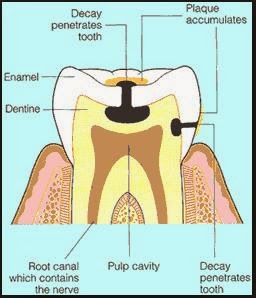
Dental caries (decay) is a bacterial infection, first of the enamel, then of the dentin of the tooth. The tradition in dentistry has been to surgically remove the diseased portion of the tooth by "drilling" out the decay and then filling the resulting hole in the tooth with some inert material. As most adults know, this procedure will be performed over and over again when new decay begins or when the filling (often silver) breaks or the tooth fractures.

Click here to learn about decay in young children.

Why should I practice prevention?
Would it not be better to eliminate the cause of the infection and thus not be forced to have big holes drilled in the teeth? We believe the bacterial cause of the infection should be addressed.

How do I prevent dental decay?
There are several positive steps that you can take to reduce your risk of dental decay. 

A. At the dentist's office
1. First, all the active decay in your mouth should be treated immediately. 

2. Next, all teeth that would benefit from sealants should be treated. 
  • Why? This will prevent bacteria from reaching into the pits, fissures, and grooves that normally exist on the occlusal (biting) surfaces of teeth. Any stray bacteria that may still be in the sealed area are effectively cut off from their source of food and become inactive. Although sealants are most effective on teeth that have not been previously restored, they can be successfully placed on teeth filled with bonded fillings.
3. The infection can be treated with antimicrobials. 

4. We believe that the use of a fluoridated mouthrinse twice daily or use of a prescription fluoridated dentifrice as directed provides a great advantage. 
5. We may also prescribe a chlorhexidine mouthrinse, an antimicrobial oral rinse that has a great effect on Streptococcus mutans.

B. In your daily life
6. Your diet and oral self-care are important in dental decay prevention. When you eat junk food and drink sugary liquids, your teeth are more prone to decay. The more frequently you snack, the more prone your teeth will be to decay. 

7. If your brushing and flossing are not effective, your teeth will be more prone to decay. When you can't brush after a meal, at least rinse your mouth with water within 15 minutes to dilute the acids forming from the ingested food or drink. 

8. If you have a diminished salivary flow, take frequent sips of water during the day to help dilute the acids produced by the bacteria.

What if decay keeps coming back?
If you have a continuing problem with active decay, we recommend more frequent preventive recare appointments. It has been repeatedly shown that patients who have good oral self-care and maintain a recare interval of 3 to 4 months have many fewer dentally related (cavities or gum disease) problems.

Present-day dental suggestions are based on proven scientific information. You might need to have your teeth cleaned by the hygienist twice each year, or you may need to be seen more frequently. 

For certain individuals, we also suggest testing the oral bacterial levels to determine the magnitude and presence of a Streptococcus mutans infection and to determine your risk level for future dental disease.

If you have any questions about the prevention of dental decay, please feel free to ask us.

Friday, July 11, 2014

Gingival Grafts

What is it?
Periodontal (gum) surgery is most often associated with the removal of soft tissue. But there are times when it is necessary to use soft tissue to cover an area that has too little soft tissue remaining. 

What causes it?
Exposed roots may be due to the improper brushing, periodontal disease, or genetic structure. Brushing too hard and/or with a hard toothbrush can cause the gingival tissue to disappear. The gingival margin (gumline) changes, and one or more millimeters of root structure can be exposed. Active periodontal disease can cause loss of this soft tissue too. 

Why you should care
This exposure can lead to teeth that are very sensitive to temperature changes, root decay, or are quite unsightly. The disfigured soft tissue line can lead to a plaque trap, causing more disease and further problems.


How dentists fix it
Two methods of resolving these problems are free gingival grafts and attached gingival grafts. Both of these are periodontal surgical procedures. In both cases, a local anesthetic will be used to numb the treatment site. 
In the case of an attached graft, gingival tissue is taken from the donor site and moved to the area where root coverage is required. The graft tissue is sutured into place, and a dressing is placed over the treated area. The dressing remains in place for several weeks and is then removed. An attached graft is not completely removed from the donor site. The donor site is adjacent to the site that needs root coverage. There is an incision made in the gum tissue, and the tissue is moved sideways, up, or down and sutured into place. Again, a protected dressing is placed to protect the area while healing occurs. Any anticipated postoperative discomfort is resolved with medication. Most discomfort will come from a free graft donor site.

Who performs the procedure?
A periodontist (gum specialist) usually performs these procedures, as well as other types of grafts and root coverage treatments. After the periodontist examines the areas needing treatment, you will have a better idea of what treatment will consist of, what the appearance may be, anticipated healing times, postoperative discomfort, and cost.

How can you prevent it?
Most patients have heard that they should take better care of their teeth - brush and floss the teeth. Some patients brush too hard and in a back-and-forth motion; and some facial, bony structures and biting forces are such that root exposure happens, resulting in longer looking teeth. The grafting procedures mentioned here can restore the proper gingival marginal architecture, prevent root decay, reduce or eliminate thermal sensitivity, and make your smile look great again.

If you have any questions about gingival grafts, please feel free to ask us.